How to Set Up a Nursery in a Small Apartment
As an Amazon Associate I earn from qualifying purchases.
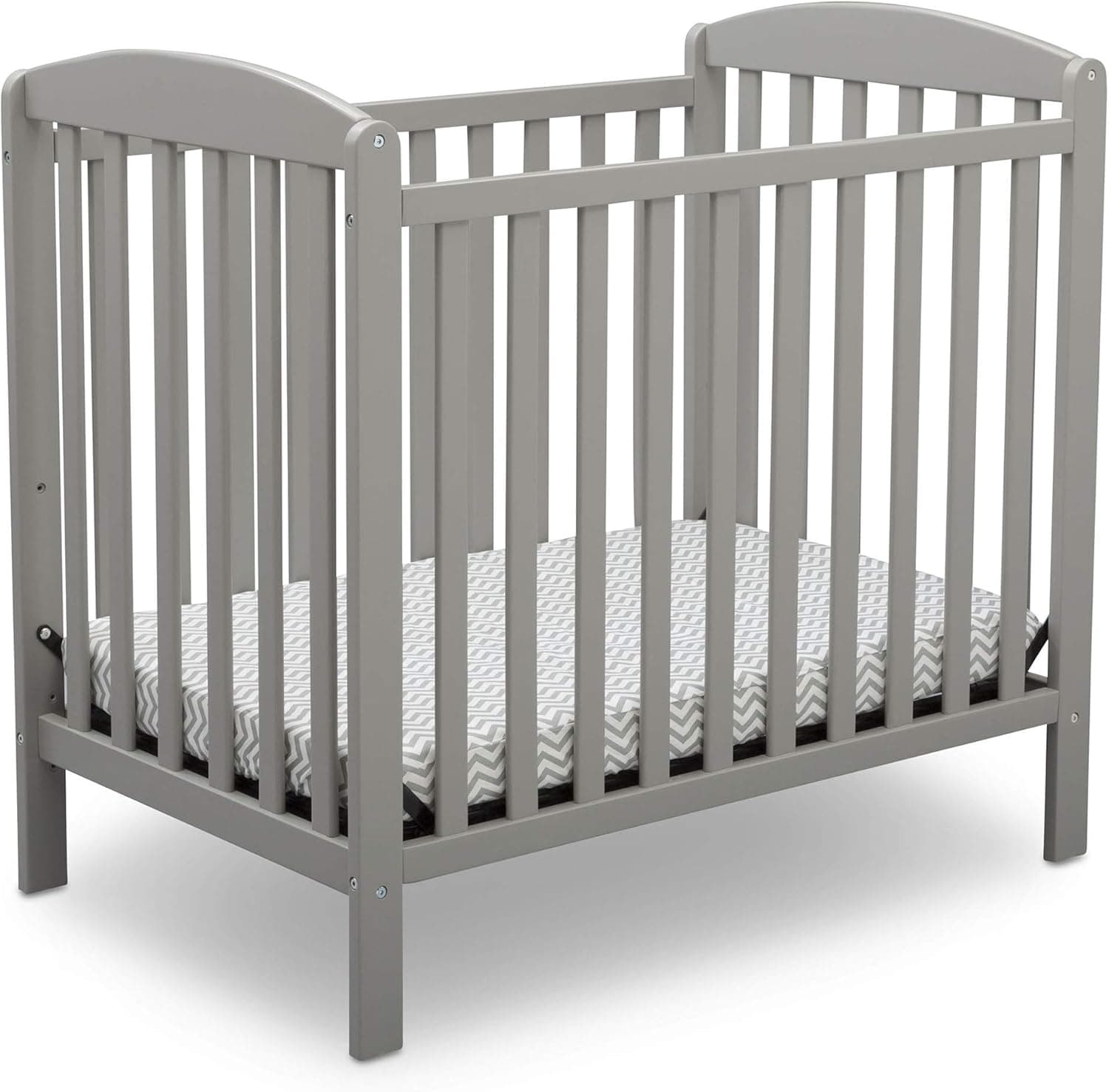
You do not need a dedicated room to give your baby a safe, soothing place to sleep and grow. With a smart layout and gear that folds, stacks, or does double duty, a corner of your bedroom or living room can become a complete nursery. Here is how to plan it out step by step.
Start With a Zone, Not a Room
In a small apartment, the nursery is rarely a separate room. It is a zone you carve out of space you already use. Pick a corner away from drafts, direct sun, and heavy foot traffic, then mentally divide it into three jobs: sleeping, changing, and storage. Once you know those three anchors, everything else falls into place around them.
Define the zone visually so it feels intentional rather than cluttered. A small rug, a shelf, or even a curtain on a tension rod can signal where the baby area begins and ends. This separation helps you keep the rest of the room livable and gives your baby a consistent, calming spot that signals rest and routine.
Choose a Sleep Solution That Fits the Footprint
Sleep gear is the largest single item in any nursery, so it drives the whole layout. A standard crib can swallow a small bedroom, which is why mini cribs and bedside bassinets exist. Mini cribs give you a real crib in roughly half the floor area, and many convert as your baby grows, so you are not buying twice.
If you plan to keep your newborn within arm's reach for night feeds, a bedside bassinet that attaches to your bed can be the better first purchase. Measure your available width before you buy, and confirm the sleep surface meets current safety guidance with a firm, flat mattress and no soft bedding.
Build a Compact Changing Station
You do not need a full changing dresser to change diapers comfortably. A contoured changing pad secured to the top of a low dresser you already own turns existing furniture into a station without adding a single new piece. Keep a small basket of essentials within one arm's reach so you are never leaving the baby to grab a wipe.
For truly tight spaces, a portable changing pad that folds into a clutch lets you change your baby anywhere and tuck the station away when guests come over. This keeps the floor clear and means your changing area is not permanently eating into your living space.
Go Vertical With Storage
When floor space runs out, look up. Wall shelves, over-door organizers, and tall narrow units store diapers, clothes, and supplies without spreading across the room. Group items by how often you reach for them, keeping daily essentials at waist height and backup stock up high or down low.
Contained storage also keeps the nursery calm to look at, which matters more than you expect in a shared space. Bins and baskets with lids hide visual clutter, and labeling them means anyone helping with the baby can find things fast in the middle of the night.
Add Comfort and Sound Control Last
Once the essentials are placed, focus on the atmosphere. Thin apartment walls mean street noise, neighbors, and household sounds all reach your baby. A small white noise machine masks those interruptions and creates a consistent sleep cue that travels with you if you move the baby between rooms.
Finish with soft, layered lighting rather than a single harsh overhead bulb. A dimmable lamp or a warm nightlight makes night feeds gentler on everyone and keeps the space feeling restful. These final touches cost little but do the most to make a shared corner feel like a real nursery.