Mini Crib vs Full Crib
Published How we research
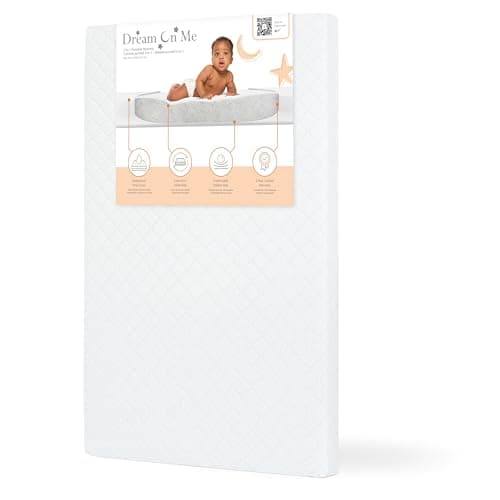
A full crib's interior sleep area (about 28x52 inches) versus a mini crib's (about 24x38) can decide whether you can still open a closet or fit a dresser in a small room. Full cribs pull ahead on longevity, often converting to toddler beds, while mini cribs typically serve until around age two. Cost usually favors mini cribs upfront, though a longer-lasting full crib can even out per year of use. Mattresses aren't interchangeable, and mini crib sizes are more limited and harder to find. Many mini cribs have wheels for mobility between rooms, while full cribs generally stay put. Match the crib to your room and timeline. If your nursery is a corner, a shared bedroom, or a genuinely tiny room, the crib decision comes down to one honest question: mini or full? Both are safe when they meet current standards, but they suit very different spaces and timelines. Understanding the trade-offs helps you avoid buying twice or squeezing furniture into a room that cannot hold it.
Products from this article
The highest-scoring picks from the buying guides this article links to. Scores are our editorial assessment, not customer ratings.
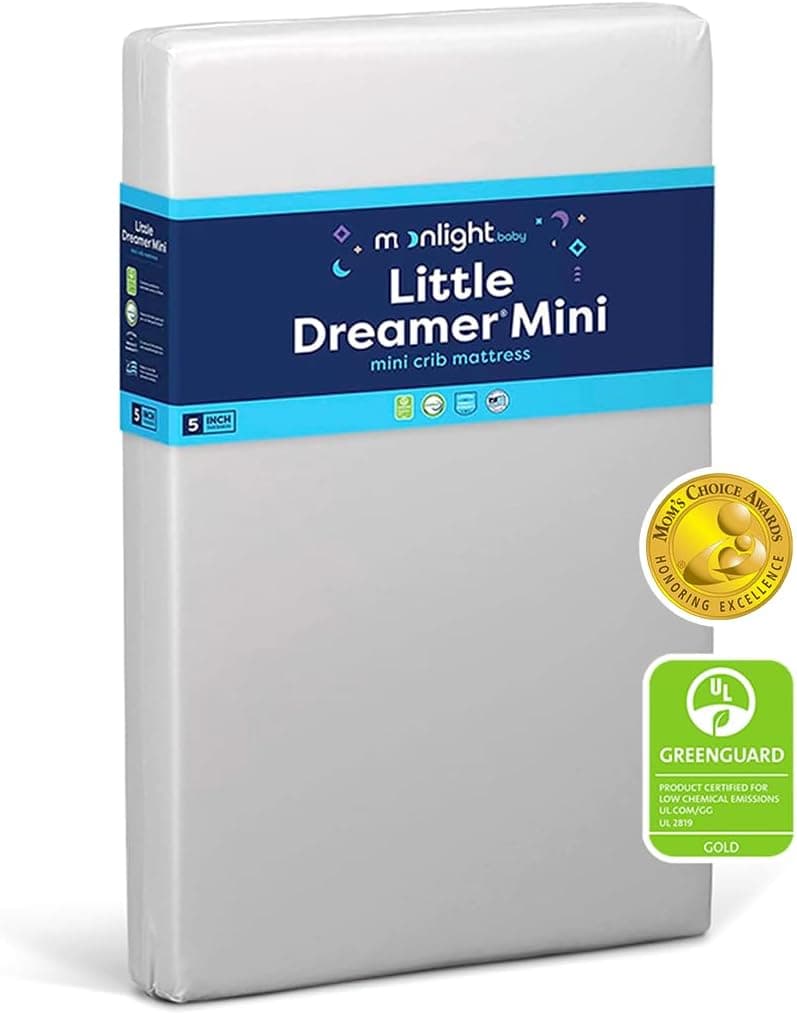
+ 5" thickness is deeper than many mini crib mattresses for comfort
From our guide: Best Mini Crib Mattresses
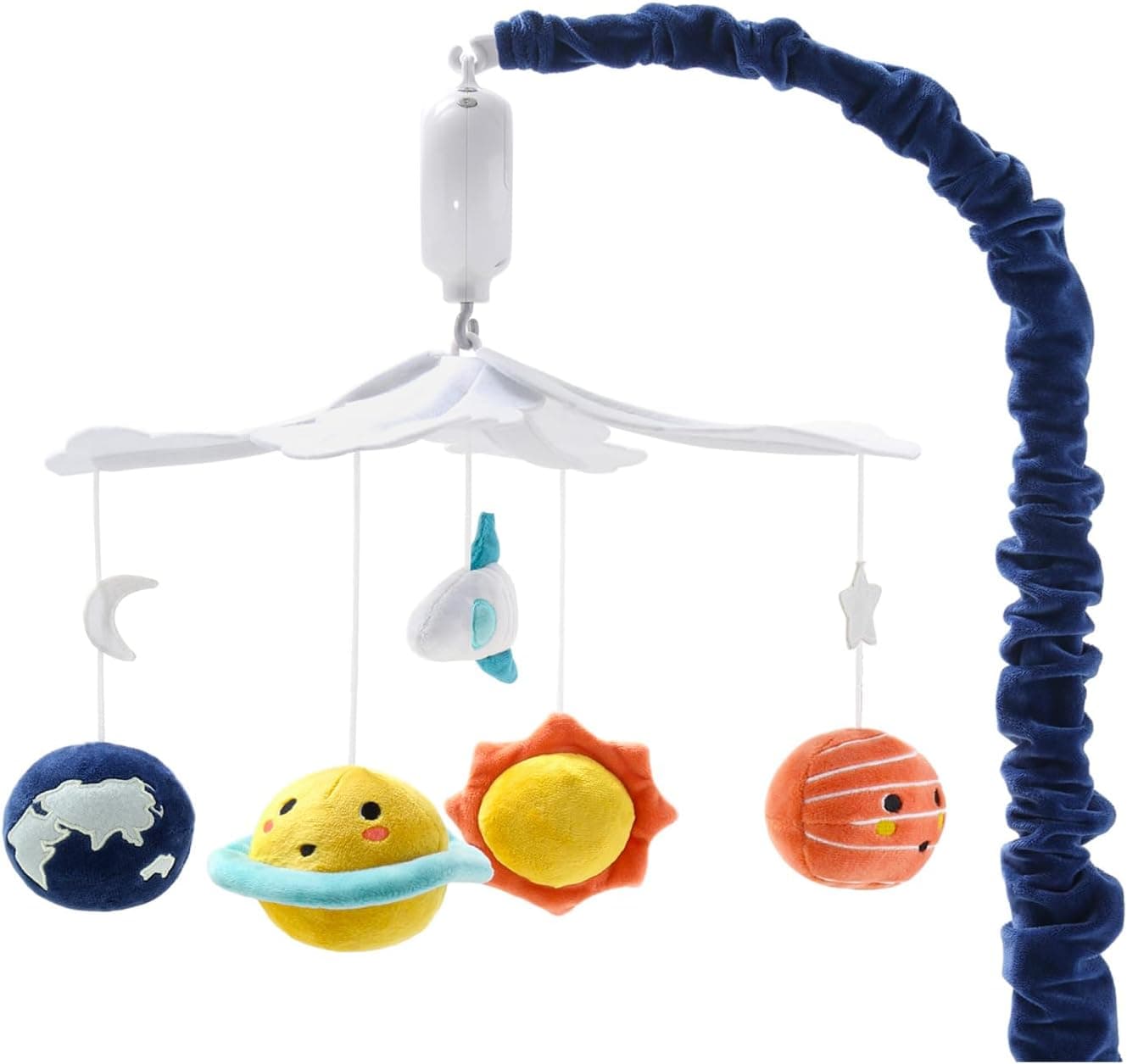
+ 12 lullabies cover bedtime without an overwhelming menu
From our guide: Best Baby Crib Mobiles
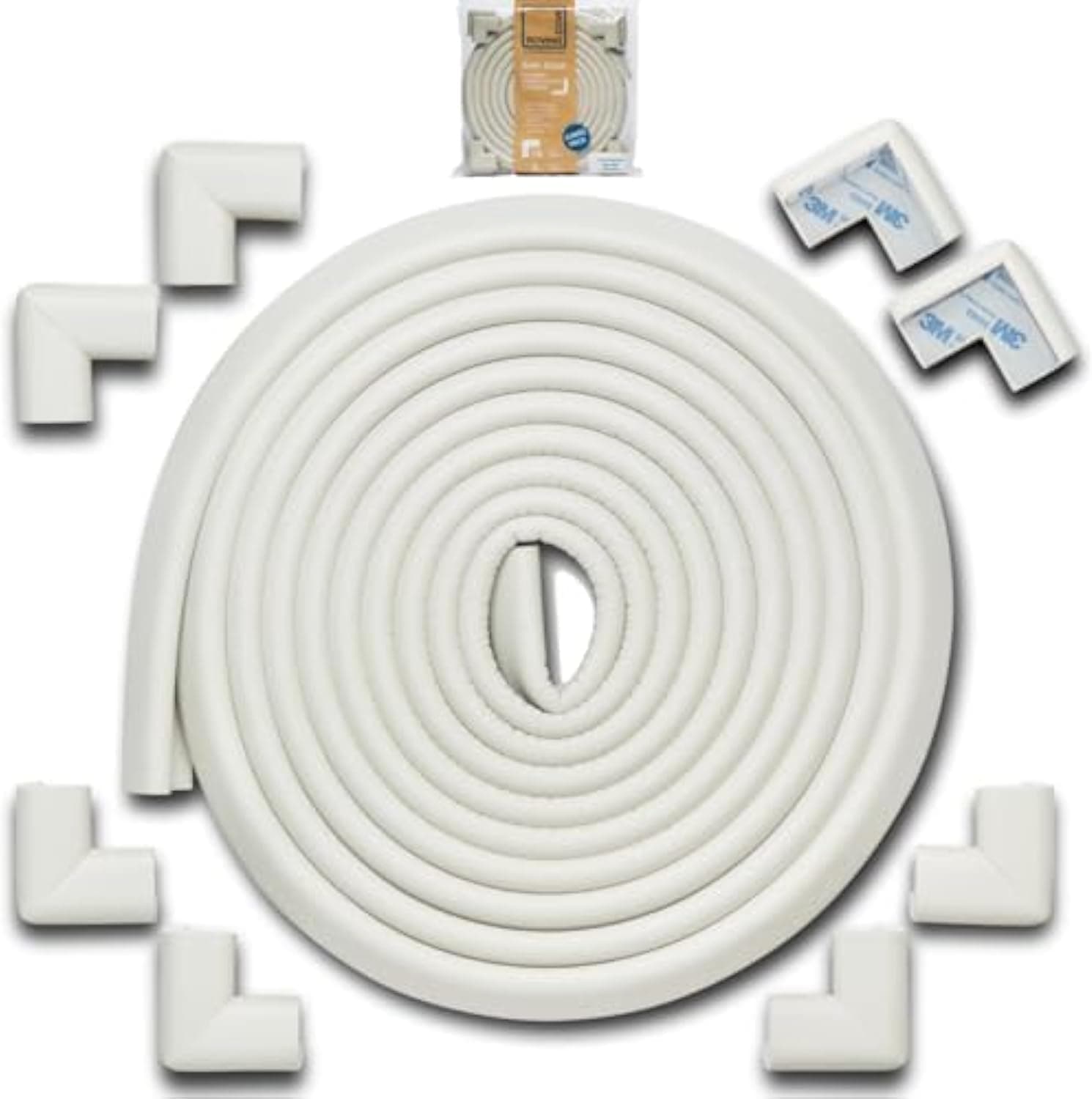
+ 18ft edge strip covers long table and hearth edges
From our guide: Best Baby Corner Guards
+ Dual-sided design with a firm infant side and a softer toddler side.
From our guide: Best Mini Crib Mattresses
The most obvious difference is size
The most obvious difference is size. A standard full-size crib has an interior sleep area of roughly 28 by 52 inches, while a mini crib runs closer to 24 by 38 inches. That may not sound like much on paper, but in a small room those extra inches decide whether you can still open the closet, walk past the crib without turning sideways, or fit a dresser on the same wall. Measure your actual floor space before you fall in love with either option.
Longevity is where full cribs pull ahead
Longevity is where full cribs pull ahead. Many convert to toddler beds and even daybeds, carrying a child from birth to the preschool years. Mini cribs typically serve well from birth until your child can pull to stand or climb, often around two years old, though some convert to a twin headboard. If you have the room, a full crib may be the only bed you buy for years. In a tight space, the mini crib's shorter runway is often a fair price for the space it saves.
Cost usually favors the mini crib, but not always
Cost usually favors the mini crib, but not always. Mini cribs and their mattresses tend to be cheaper up front, which appeals to families on a budget or those buying a second sleep space for grandparents or travel. That said, if a full crib lasts twice as long, the cost per year of use can end up similar. Factor in how long you realistically expect the crib to stay in service, not just the sticker price.
Mattresses deserve special attention
Mattresses deserve special attention because they are not interchangeable. Both types require a firm, flat mattress that fits snugly with no more than two fingers of gap around the edges. Mini crib mattresses are smaller and sometimes thinner, and replacement or fitted-sheet options are more limited than the abundant standard-size market. Check availability and pricing of sheets and mattresses before committing, since a hard-to-find size becomes a recurring annoyance.
Think about mobility and flexibility too
Think about mobility and flexibility too. Many mini cribs come on wheels, letting you roll the baby between rooms, tuck the crib into a closet during the day, or move it near your bed at night. Full cribs are generally meant to stay put. For families who need their nursery zone to disappear or shift around, that portability can be the deciding factor all on its own.
There is no universally correct answer
There is no universally correct answer, only the right answer for your room and your plans. If you have a dedicated nursery and want one bed for the long haul, a full crib makes sense. If you are working with a nook, a shared bedroom, or an apartment where every inch counts, a mini crib delivers a safe, right-sized sleep space without dominating the room. Match the crib to your space and your timeline, and either choice will serve your baby well.
Frequently asked questions
What is the size difference between a mini crib and a full crib? A standard full-size crib has an interior sleep area of roughly 28 by 52 inches, while a mini crib runs closer to 24 by 38 inches, a difference that matters a lot in a small room.
How long does a mini crib last compared to a full crib? Mini cribs typically serve well from birth until around age two when a child can pull to stand or climb, while full cribs often convert to toddler beds and last from birth to the preschool years.
Is a mini crib cheaper than a full crib in the long run? Not always; mini cribs and their mattresses tend to be cheaper upfront, but if a full crib lasts twice as long, the cost per year of use can end up similar.
Can I use a full crib mattress in a mini crib? No, mattresses are not interchangeable between the two sizes; mini crib mattresses are smaller and sometimes thinner, with more limited replacement and fitted-sheet options than standard sizes.
At a glance: Mini crib vs Full-size crib
| Mini crib | Full-size crib | |
|---|---|---|
| Mattress size | About 24 x 38 inches | About 28 x 52 inches |
| Floor space | Fits small rooms and parents' bedrooms | Needs a dedicated nursery wall |
| How long it lasts | Often until roughly age 2, or earlier for tall babies | Until the toddler moves to a bed, often later |
| Bedding | Needs mini-crib-specific sheets | Standard crib sheets, wide choice |
| Mobility | Many have wheels and fold | Stationary |
| Conversion | Some convert to a twin-size day bed | Many convert to toddler beds |
Choose Mini crib if
- The baby will share your bedroom
- Floor space is very limited
- You may move home within two years
Choose Full-size crib if
- You have a dedicated nursery
- You want one crib for as long as possible
- Your baby is tracking tall
Bottom line: For apartments and shared rooms a mini crib is often the practical choice. Plan for a toddler bed sooner, and check the manufacturer's height and weight limits rather than going by age.
Popular right now
- Best Foldable Baby Bathtubs for Small BathroomsBuying guide
- Best Baby White Noise Machines for Better SleepBuying guide
- Best Baby Crib MobilesBuying guide
- Foldable Baby Gear Worth Buying for Tight SpacesArticle
- Best Slim Diaper PailsBuying guide
- Best Hanging Closet Dividers for the NurseryBuying guide
Based on the last 28 days of search and visitor data.