Mini Crib vs Standard Crib for Small Spaces
As an Amazon Associate I earn from qualifying purchases.
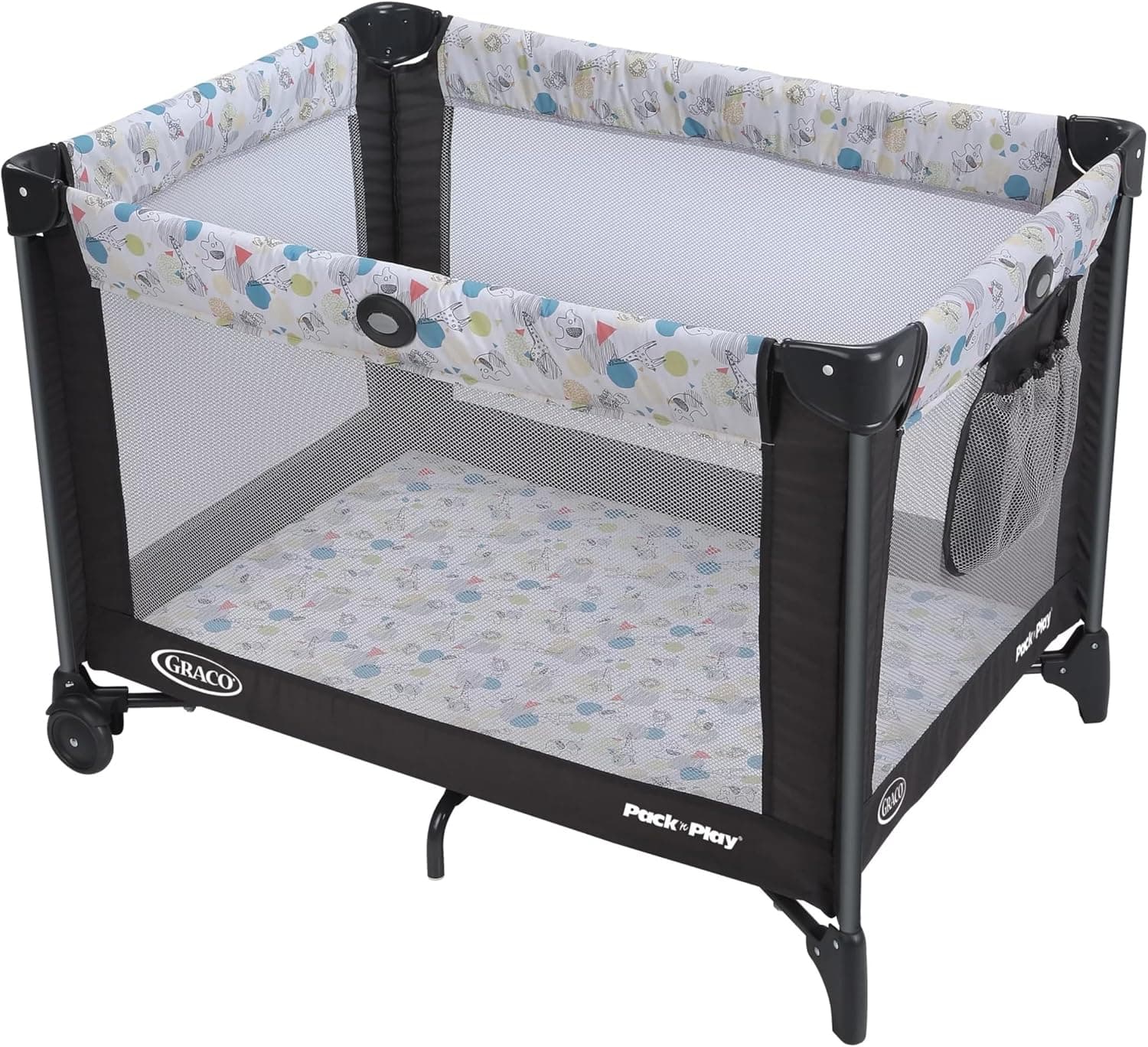
When floor space is tight, the crib is often the biggest single item in the room, so the choice between a mini crib and a standard crib matters more than in a large home. Both keep your baby safe, but they fit your life differently.
A mini crib has a smaller footprint, usually around 24 by 38 inches, compared to a standard crib at roughly 28 by 52 inches. That difference can free up enough room for a dresser or a reading chair. Many mini cribs also have wheels, so you can roll the crib aside during the day and reclaim the floor.
Standard cribs win on longevity. Most fit a baby comfortably into toddlerhood, and many convert into toddler beds or daybeds. A mini crib tends to work well for the first year to eighteen months, after which taller or more active toddlers may outgrow it sooner.
Mattress cost and availability favor standard cribs. Standard crib mattresses are easy to find in many price ranges and firmness levels. Mini crib mattresses come in fewer options and can be trickier to replace, so check availability before you commit.
Think about doorways and movement too. A mini crib fits through narrow apartment doors and around tight corners, which helps if you move it between rooms or plan to relocate. A standard crib is usually assembled once and stays put.
Resale and reuse also play a role. Standard cribs hold value and suit a second child of any age. A mini crib may need replacing sooner if your family grows, though it stores flat more easily between kids.
For a genuinely small studio or one bedroom, a mini crib often makes the most sense in the early months, especially if you want to keep the baby in your room. If you have a dedicated nook and want one purchase to last, a convertible standard crib can be the better long term value. Match the crib to your actual square footage and how long you expect to stay.