Why Your Baby Wakes Early in a Small Apartment
Babies in small apartments often wake early because their sleep space is exposed to sunrise, traffic and the sounds of everyone else getting up. Some early waking is simply developmental and will pass on its own. Light and sound, however, are two things parents can control well, even when the crib shares a room with the parents' bed.
Block early morning light
Babies are very sensitive to light, and the brightening sky around 5 a.m. in spring and summer is a strong signal to wake. Even a thin gap around a curtain or a glowing streetlight can be enough to pull a light sleeper out of the last sleep cycle of the night.
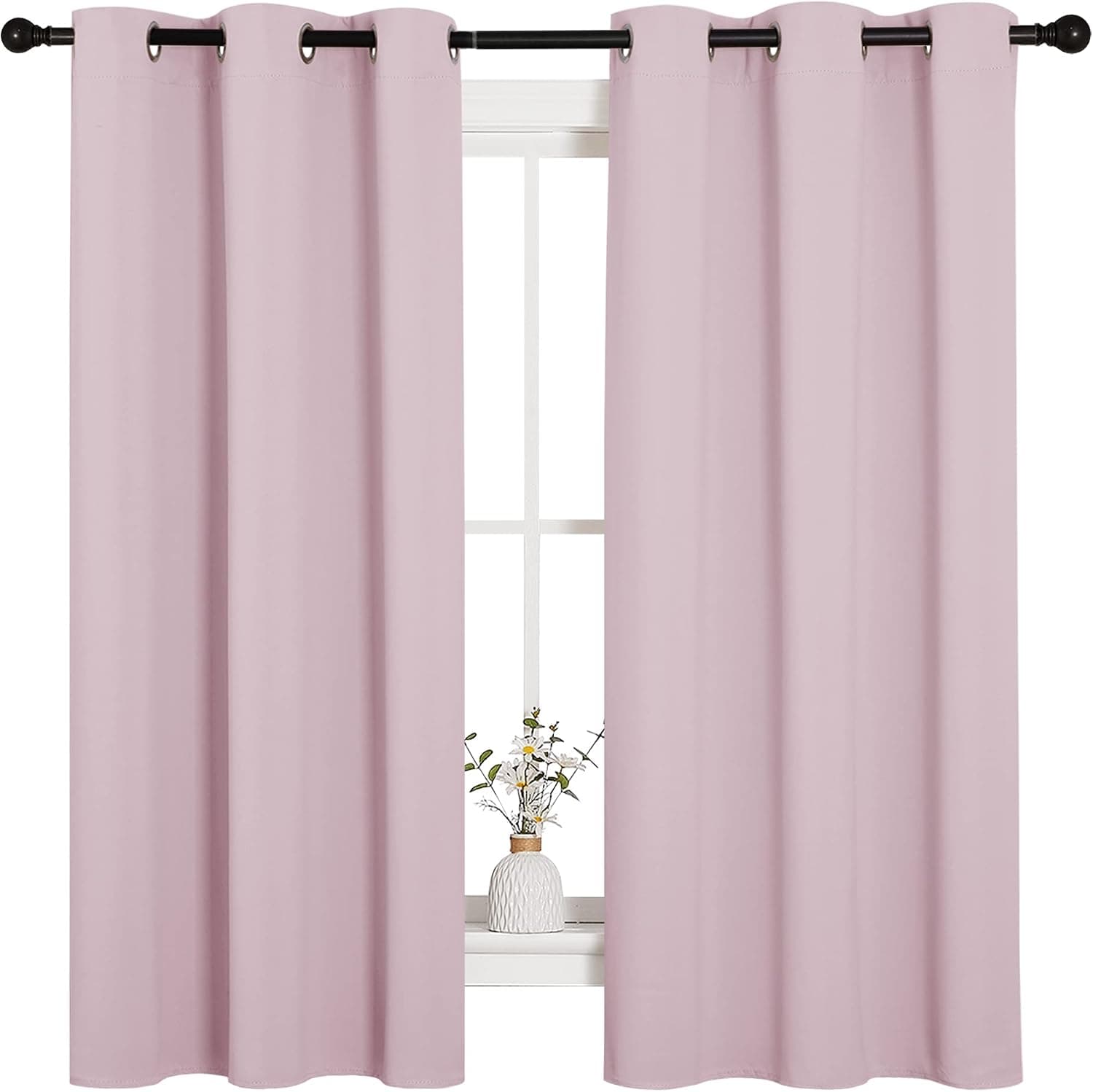
Blackout curtains that extend well beyond the window frame, and ideally touch the floor, block far more light than panels hung inside the recess. In a rental you can hang them on a tension rod or adhesive brackets, or add removable blackout film to the glass. Check for light under the door and from chargers, monitors and air purifiers too.
Mask street and household noise
Garbage trucks, early commuters, delivery vans and neighbours' showers often wake babies during the lighter sleep of early morning. In a small apartment there is little distance or insulation between those noises and the crib.
A white noise machine provides steady background sound that makes sudden noises stand out less. Place it at least 7 feet from the crib, keep the volume moderate, roughly the level of a quiet shower, and run it all night so a noise at 5 a.m. does not break through an otherwise silent room.
Adjust how the room is shared
When parents share the bedroom, alarms, phone screens, bedside lamps and footsteps can all wake a baby before the day should start. These disturbances are often invisible to parents because they happen as they are getting ready.
Set phones to vibrate, use a dim red or amber night light if you need to see, and dress in another room. A folding screen or a curtain on a ceiling track between your bed and the crib blocks light and movement without taking permanent floor space.
Check temperature before dawn
Indoor temperatures often drop in the hours before sunrise, and a baby who is too cool may wake early and struggle to resettle. Heating that switches on early can also make a small room warm quickly, which disturbs sleep in the opposite direction.
Choose sleep sack warmth for the coolest part of the night, using a room thermometer near the crib, and never add loose blankets. If heating comes on in the morning, set it to start more gently or later so the room does not overheat.
Know what is normal
Many babies naturally wake between 5 and 6 a.m., and total sleep, nap timing and developmental leaps all influence morning wake-ups. A dark, quiet room helps, but it cannot override a baby who has simply had enough sleep.
Keep morning wake times consistent and avoid starting the day with bright lights and play if you are hoping to stretch sleep. If early waking continues for weeks despite a dark, quiet room, discuss nap and bedtime schedules with your pediatrician.