Bathing a Baby Without a Nursery Bathroom
Published How we research
You do not need a nursery bathroom, or even a big one, to bathe a baby safely. In the first weeks, before the cord stump falls off, babies only need sponge baths on any warm, clean, flat surface. After that, a collapsible infant tub that folds to a couple of inches and a comfortable spot (the kitchen sink is one of the best, at standing height) covers it. Gather the towel, diaper, and clothes within arm's reach first, test the water on your wrist, and never leave the baby unattended for a second. You do not need a nursery bathroom, or even a big bathroom, to bathe a baby safely and comfortably. For the first months especially, babies are small enough to be bathed almost anywhere with a little planning. What matters is warmth, safety, and having everything within reach, not the size or dedication of the room. Small-space families have been bathing babies in kitchens and tiny bathrooms for generations, and it works fine.
Products from this article
The highest-scoring picks from the buying guides this article links to. Scores are our editorial assessment, not customer ratings.
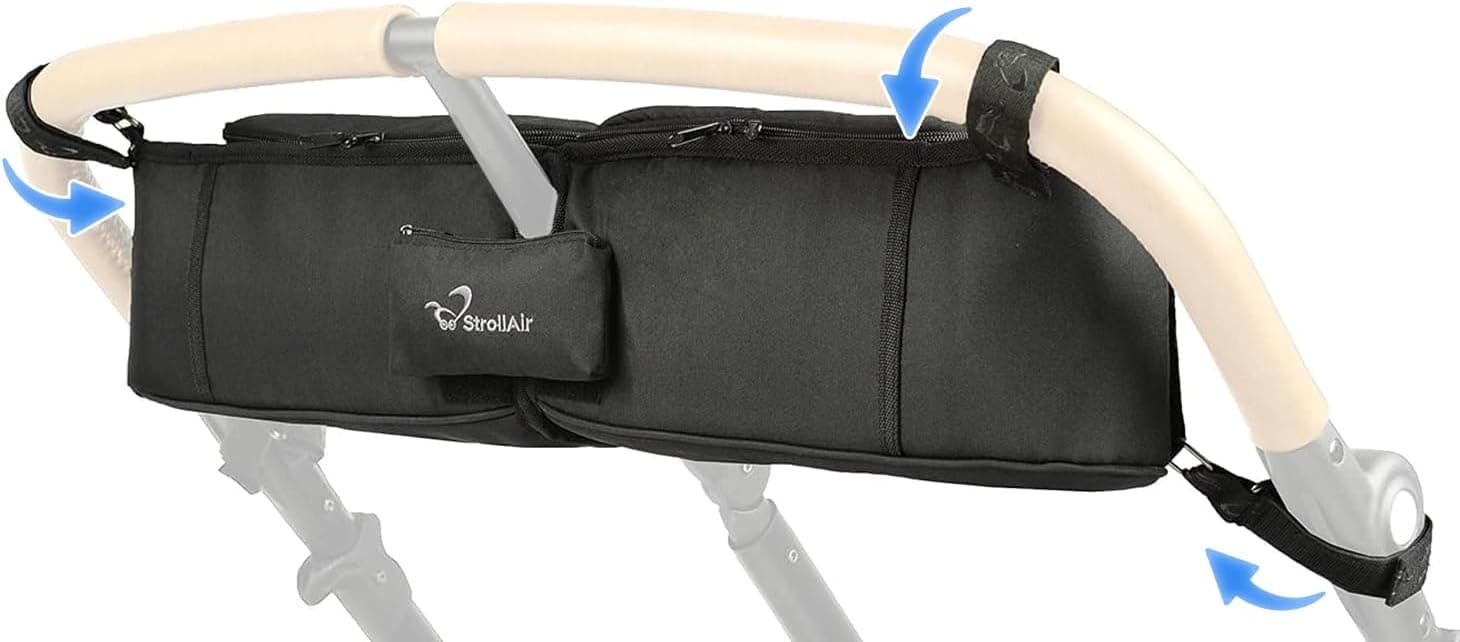
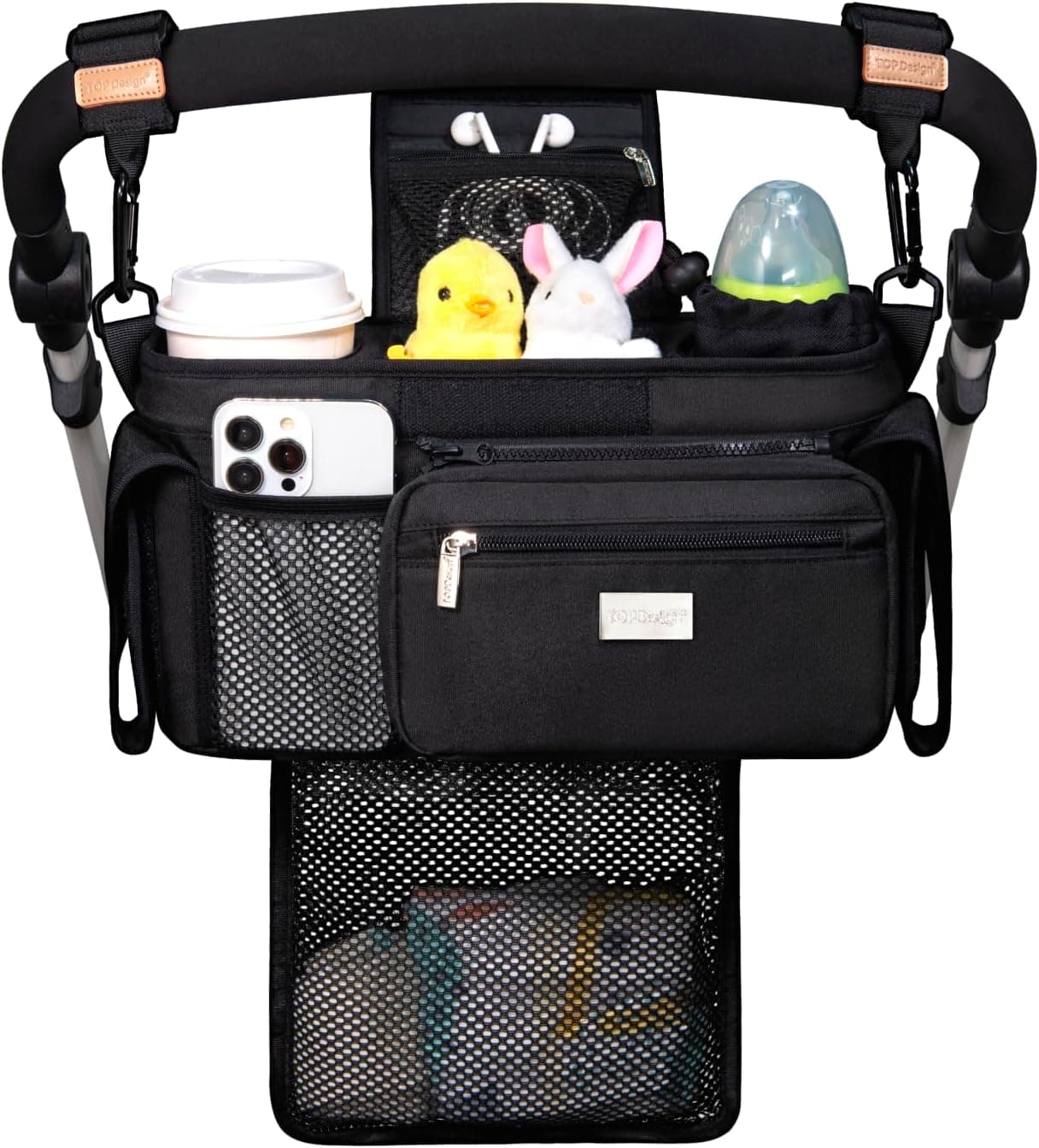
+ Detachable phone bag can be carried when you leave the stroller
From our guide: Best Stroller Organizers
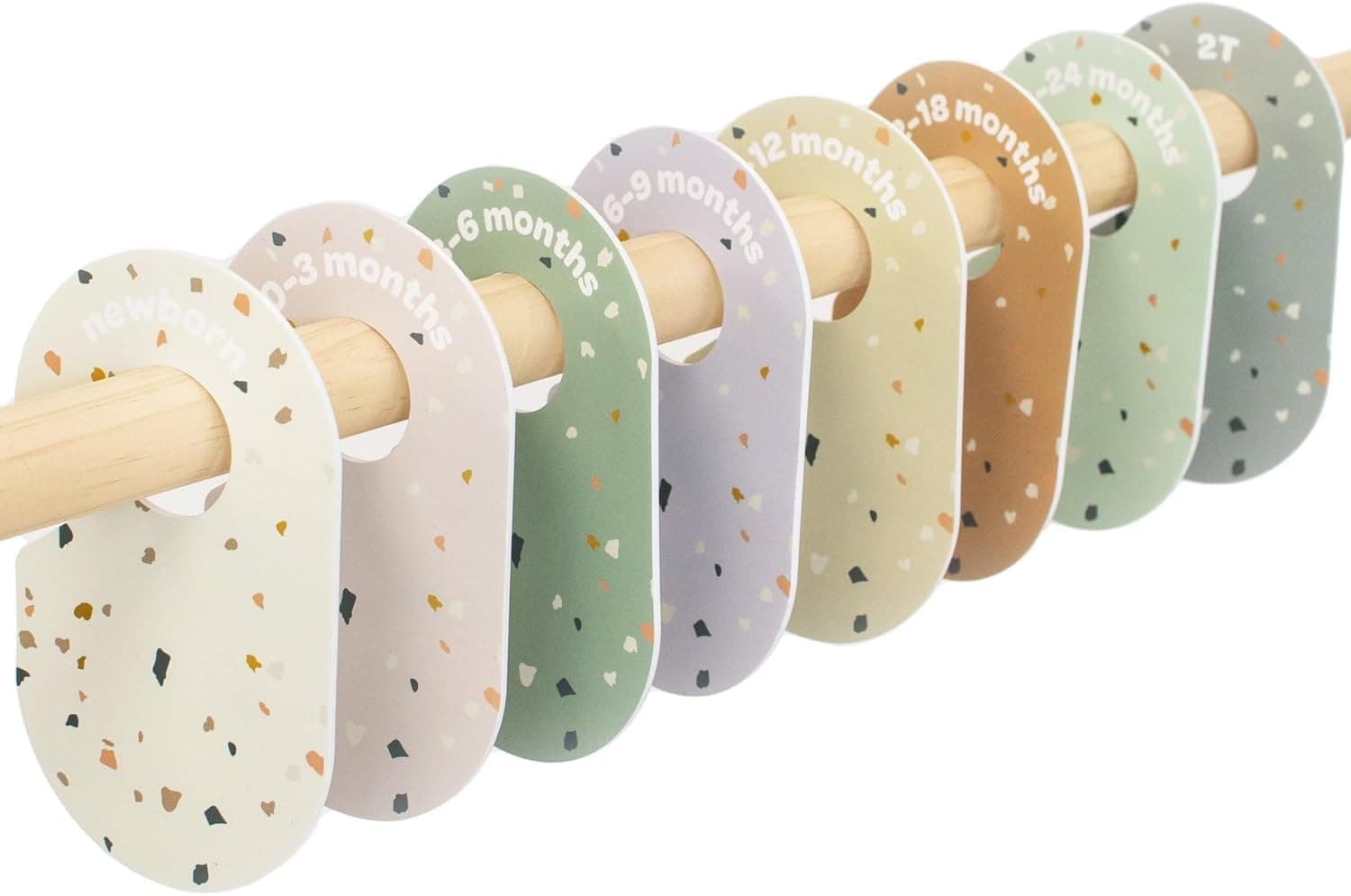
+ 8-piece set covers every size step from newborn to 2T
From our guide: Best Hanging Closet Dividers for the Nursery
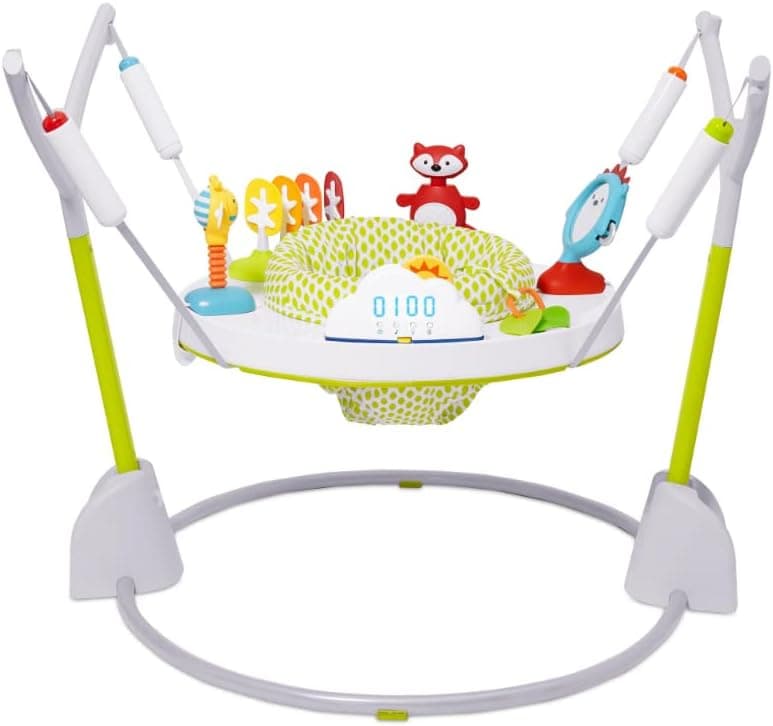
+ Foldable frame stores flat under a sofa or bed
From our guide: Best Compact Activity Centers for Small Apartments
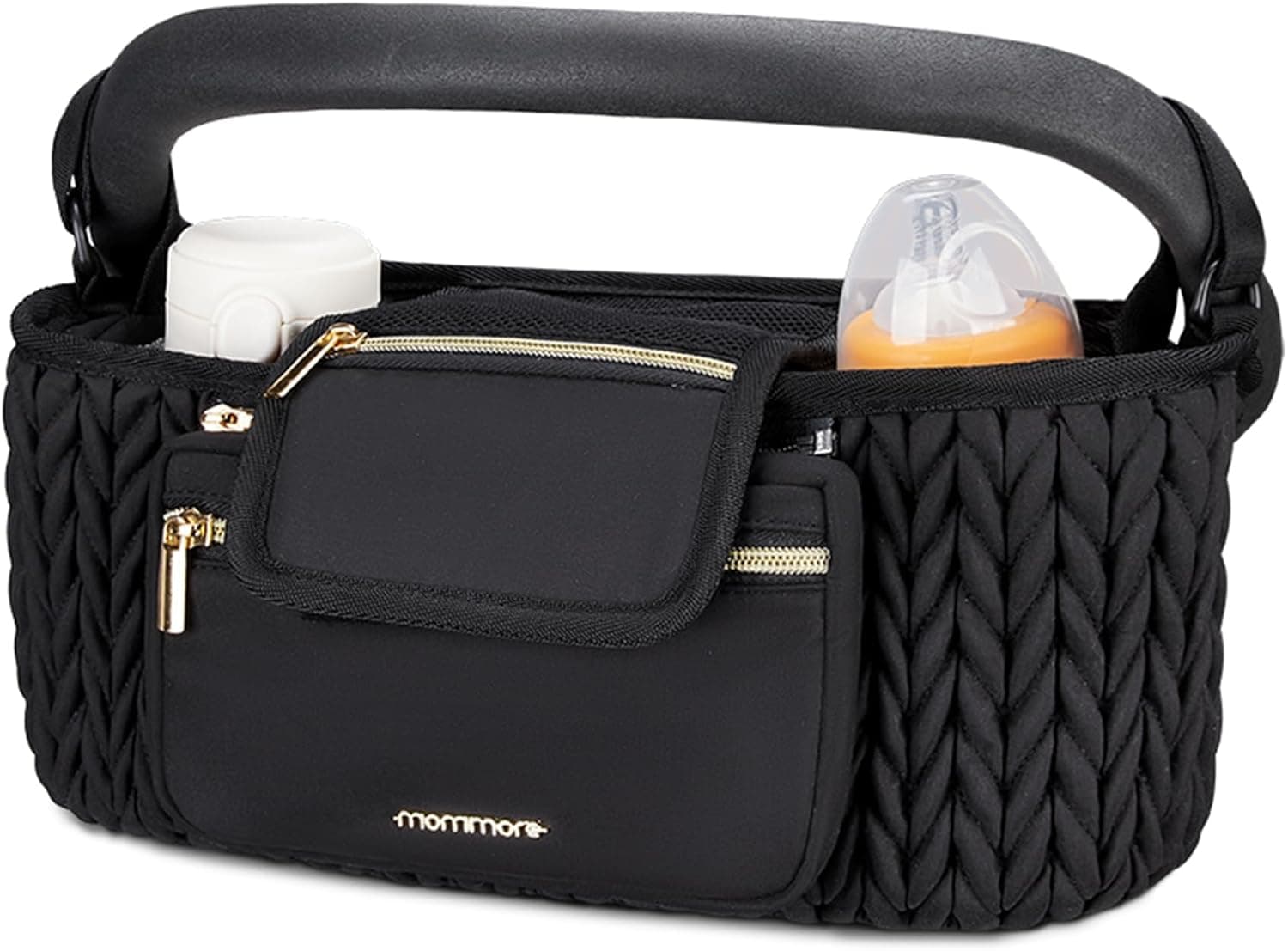
+ Detachable mesh bag holds snacks and small toys
From our guide: Best Stroller Organizers
Sponge baths in the early weeks need no tub
In the very early weeks, before the umbilical cord stump falls off, your baby only needs sponge baths, which require no tub at all. A warm, safe surface, a bowl of warm water, and a soft cloth are enough. A padded changing area, a towel on a counter, or a bath support on a table all work. Because newborns cannot be submerged yet, this stage is the easiest to manage in a small home, since you can do it wherever you have a clean, warm, flat surface.
A collapsible infant tub is the small-space hero
Once your baby is ready for real baths, a small collapsible or foldable infant tub is the small-space hero. These tubs fold to a couple of inches thick and hang on a hook or slide behind a door when not in use, so they never claim permanent floor space. Many families set the tub on a counter, in a kitchen sink, or inside the adult bathtub. A tub that fits your kitchen sink is often the most comfortable option in an apartment, letting you bathe the baby at standing height instead of kneeling on a hard bathroom floor.
The kitchen sink is one of the best spots
The kitchen sink deserves special mention because it is genuinely one of the best baby bath spots in a small home. It is at a comfortable working height, the water is right there, and a sink insert or a small tub that fits the basin holds the baby securely. Just clean the sink first, check the water temperature carefully, and keep one hand on the baby at all times. For many apartment dwellers the sink replaces a bathroom tub entirely for the first several months.
Safety rules do not change wherever you bathe
Safety rules do not change no matter where you bathe. Never leave a baby unattended in or near water, not even for a second, because babies can drown in a very small amount of water very quickly. Always test the water temperature with your wrist or elbow, aiming for comfortably warm, not hot, and set your water heater no higher than 120 degrees to prevent scald burns. Gather everything you need, towel, clean clothes, diaper, wash, before you start, so you never have to step away with a wet baby.
Set up a portable bath station
Set yourself up so the whole process flows without moving around a small home mid-bath. Lay out a towel, a fresh diaper, and clean clothes on a nearby surface within arm's reach before the baby goes in the water. Keep bath supplies together in a caddy or basket you can carry to wherever you bathe, so your bath station is portable rather than tied to a room you may not have. When the bath is done, wrap the baby immediately to keep them warm, then dress them on your prepared surface.
A movable routine, not a dedicated space
Bathing without a nursery bathroom comes down to a movable, well-prepared routine rather than a dedicated space. A foldable tub, a comfortable spot like the kitchen sink, everything gathered in advance, and unwavering attention to safety are all you need. Store the compact gear out of sight between baths, and your small home handles this daily-ish task as smoothly as any house with a nursery en suite. The room does not make the bath safe or pleasant. Your setup does.
Frequently asked questions
Where can I bathe a baby without a bathtub? On any warm, clean, flat surface for sponge baths in the early weeks, then in a collapsible infant tub set on a counter, in the kitchen sink, or inside the adult bathtub.
Is it safe to bathe a baby in the kitchen sink? Yes, and it is one of the best spots in a small home: comfortable working height, water right there, and a sink insert or small tub holds the baby securely. Clean the sink first, check the water temperature, and keep one hand on the baby.
What water temperature is safe for a baby bath? Comfortably warm, not hot, tested with your wrist or elbow, and set your water heater no higher than 120 degrees Fahrenheit to prevent scald burns.
How do I bathe a baby in a small apartment without a nursery? Make the routine portable: keep bath supplies in a caddy, lay out the towel, diaper, and clothes within arm's reach before the baby goes in, and store the foldable tub on a hook between baths.
Popular right now
- Best Foldable Baby Bathtubs for Small BathroomsBuying guide
- Best Baby White Noise Machines for Better SleepBuying guide
- Best Baby Crib MobilesBuying guide
- Foldable Baby Gear Worth Buying for Tight SpacesArticle
- Best Slim Diaper PailsBuying guide
- Best Hanging Closet Dividers for the NurseryBuying guide
Based on the last 28 days of search and visitor data.