Dressing a Nursery Corner
Published How we research
When your nursery is a corner rather than a room, styling it well is what turns a squeezed-in setup into a space that feels deliberate and warm. A nursery corner does not have less potential than a full room, it just asks you to be more intentional, since every element is on display and there is no extra space to hide mistakes. With a few design principles, a corner can read as a charming, purposeful nook that you and your baby genuinely enjoy.
Products from this article
The highest-scoring picks from the buying guides this article links to. Scores are our editorial assessment, not customer ratings.
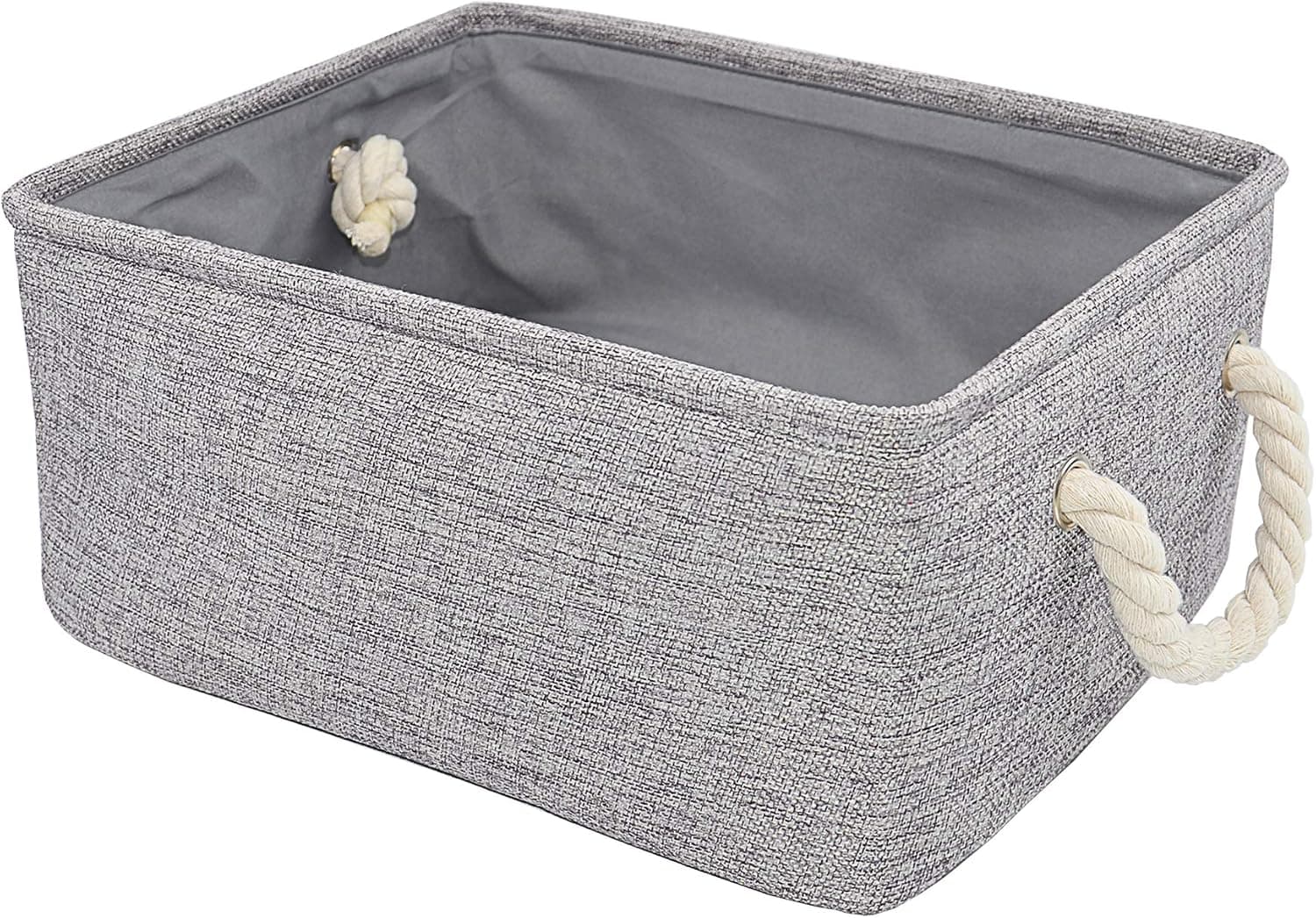
+ 12.2 x 8.3 x 5.1in size fits standard bookcase and closet shelves
From our guide: Best Nursery Shelf Organizers
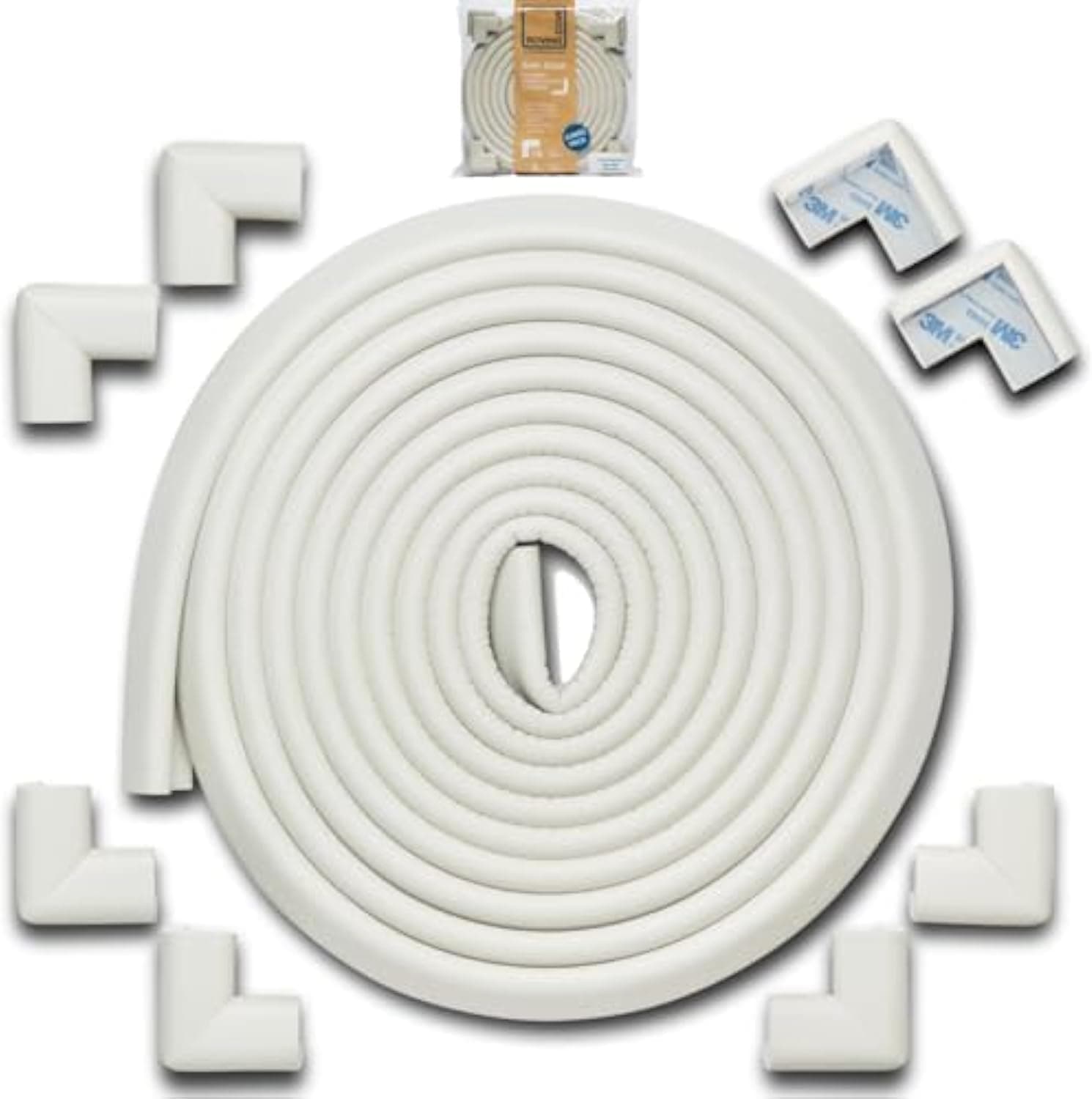
+ 18ft edge strip covers long table and hearth edges
From our guide: Best Baby Corner Guards
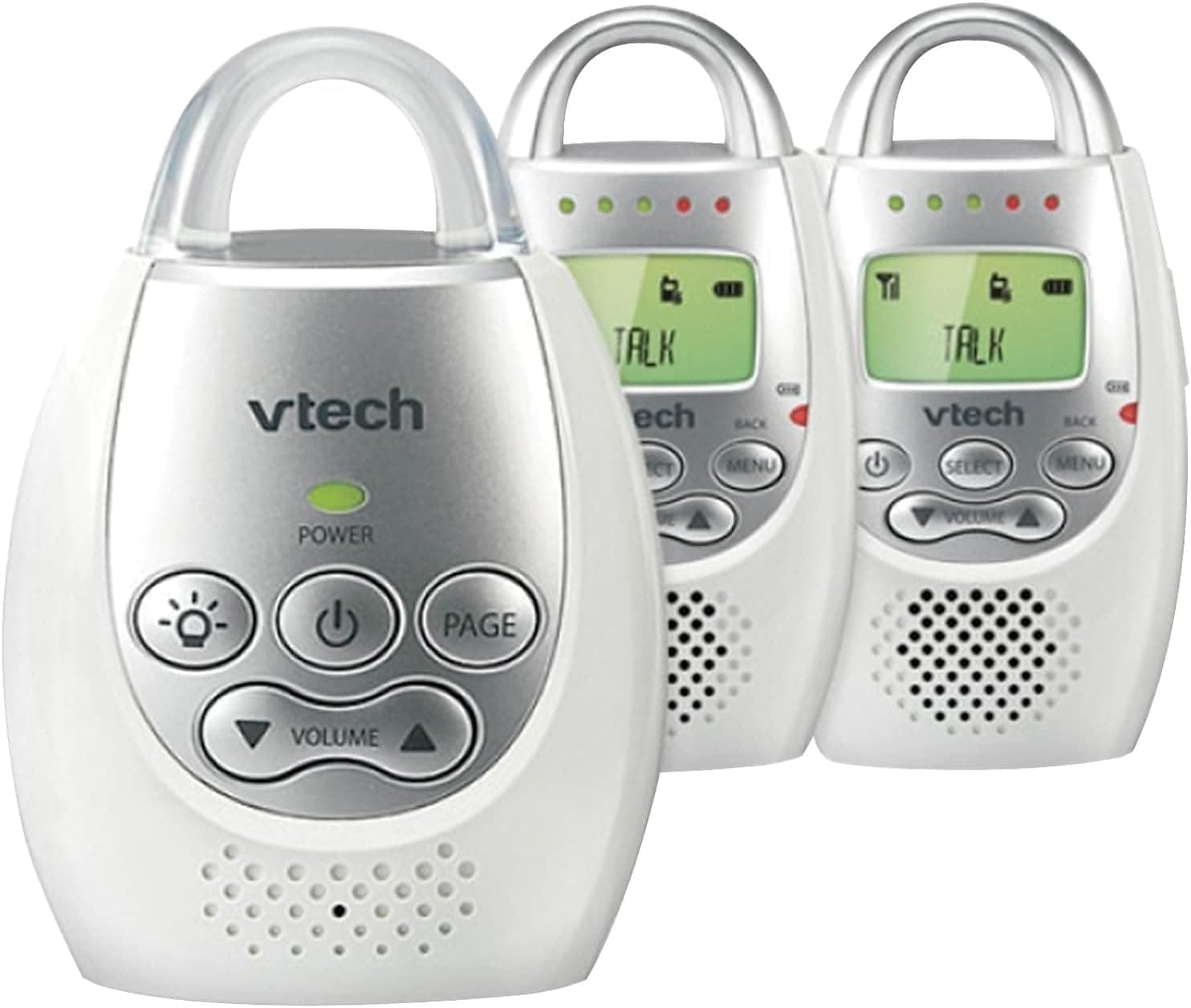
+ 2 parent units let both parents listen from different rooms
From our guide: Best Compact Audio Baby Monitors for Small Apartments
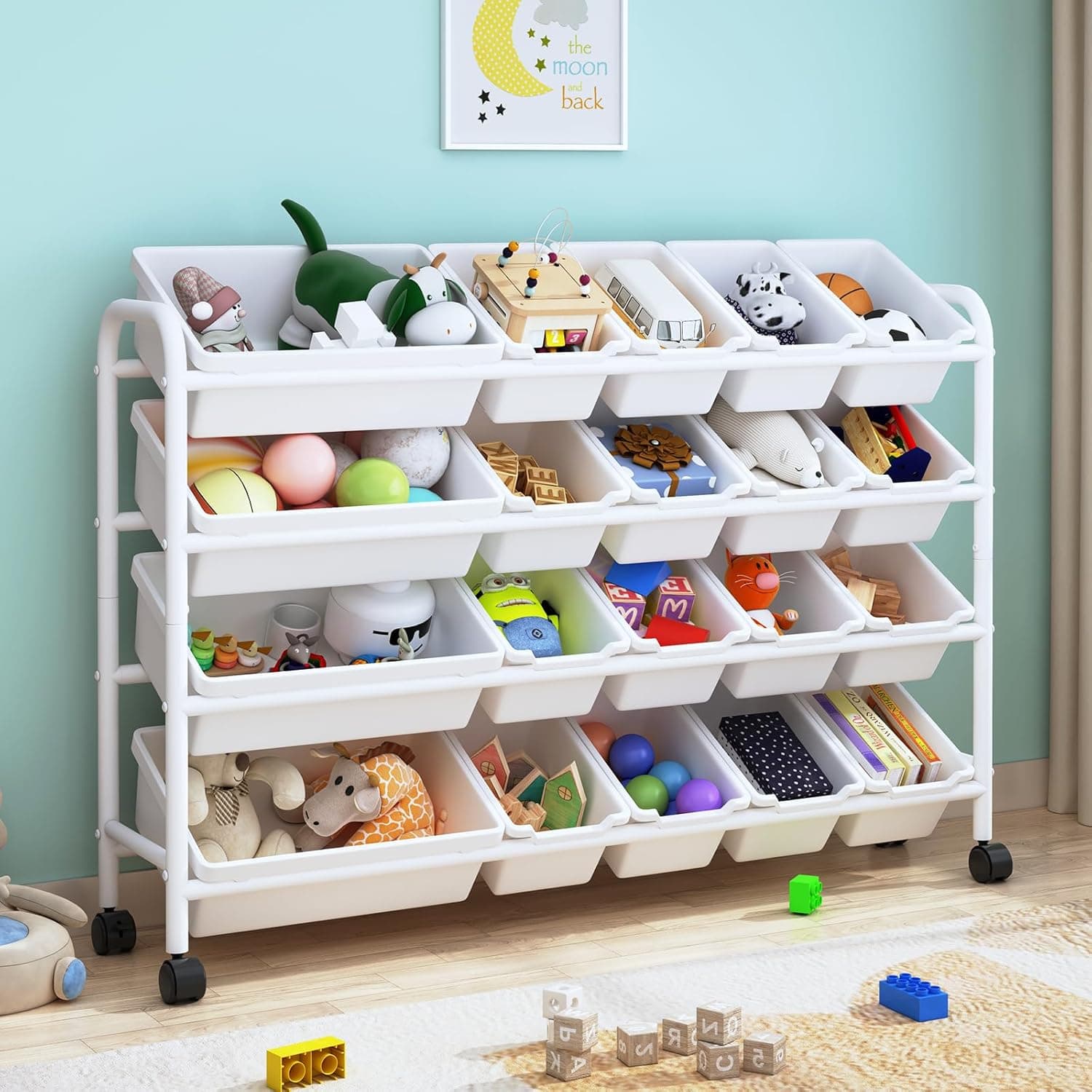
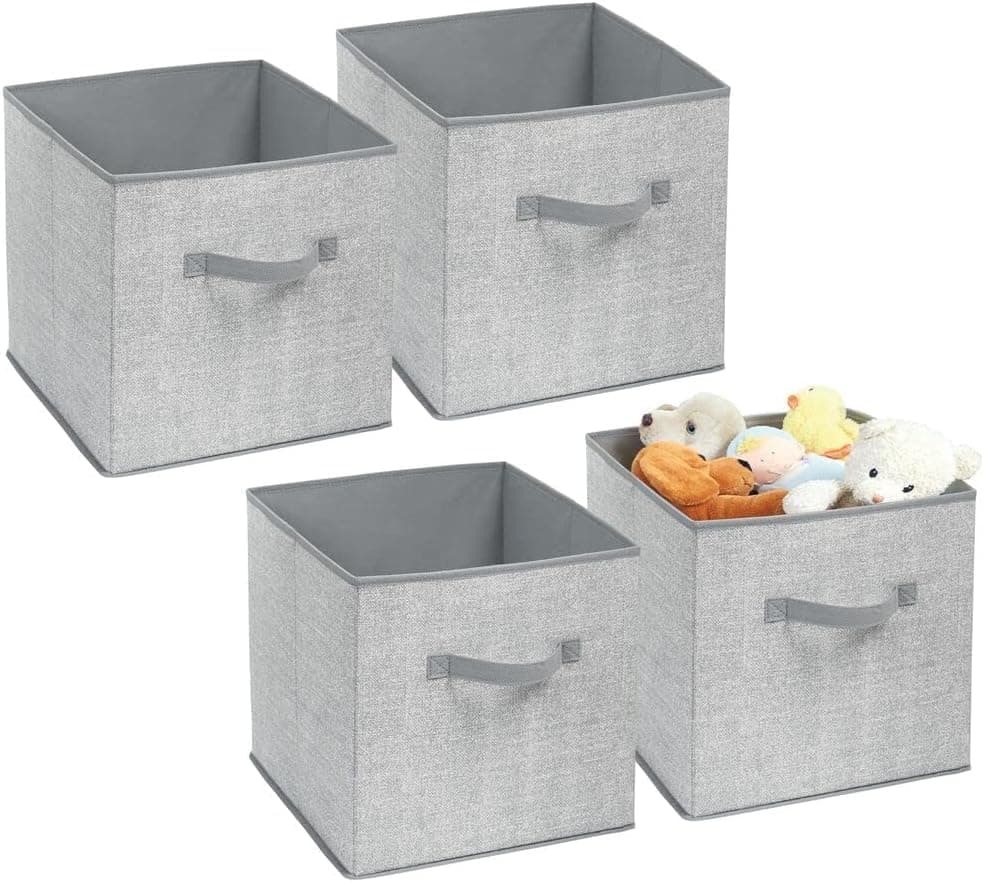
+ 4 pack outfits a closet shelf or cube unit in one purchase
From our guide: Best Nursery Shelf Organizers
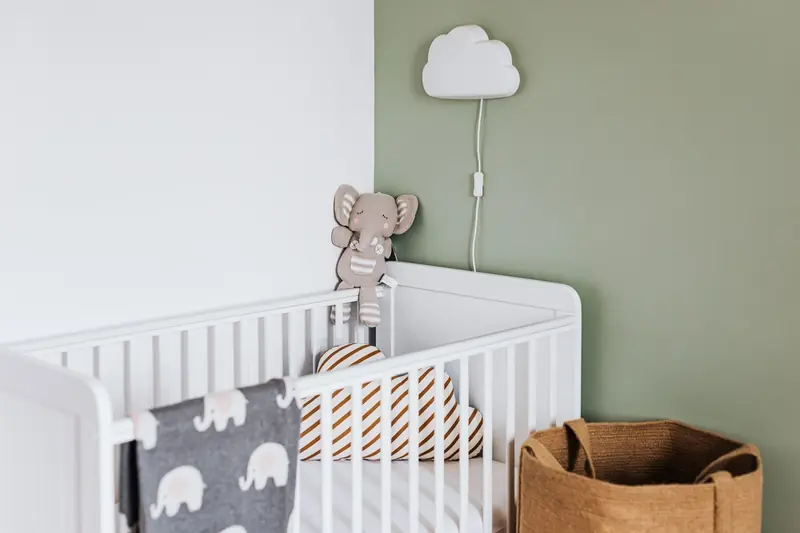
Start by defining the corner so it reads as its own zone rather than leftover space. A small rug under the crib, a distinct patch of color or wallpaper on the wall behind it, or a framing arrangement of shelves all signal that this corner was chosen, not simply where the furniture landed. Even a single decorative element that anchors the space, like a piece of art centered above the crib, tells the eye that this is a designed area with a clear center of gravity.
Choose a light, cohesive color palette, because color does more than anything else to make a small corner feel open and intentional. Pale, soft tones on the walls and larger pieces keep the space from feeling cramped, while one gentle accent color repeated in a few spots, a blanket, a print, a basket, ties everything together. A restrained palette reads as calm and curated, whereas too many competing colors in a small footprint quickly looks busy and accidental.
Use the vertical space to add personality without stealing floor room. Shelves, framed prints, a small hanging mobile, or a garland draw the eye upward and give the corner character while leaving the ground clear. Wall decor is where a small nursery corner earns its charm, since you can express a theme or style through art and textiles without adding a single piece of furniture. Keep the arrangement balanced and not overcrowded, letting some wall space breathe.
Layer in soft textures to make the corner feel cozy and finished. A knit blanket over the chair, a soft rug underfoot, a cushion, and gentle fabric baskets add warmth and a sense of care that hard furniture alone cannot provide. In a small space these textiles also serve practical roles, absorbing sound and softening the room, so they are both beautiful and useful. Texture is what makes a compact corner feel inviting rather than sparse.
Mind the lighting, because the right light transforms how a corner feels at every hour. A warm, soft lamp or a small nightlight gives the nook a gentle glow for evening feedings and makes the space feel intimate rather than clinical. If the corner gets natural light, keep the treatment light and airy during the day, then rely on a dimmable warm source at night. Thoughtful lighting is a finishing touch that costs little and elevates the whole corner.
Above all, resist the urge to overfill a corner just because you love the styling. In a small footprint, restraint is what looks intentional, and negative space is part of the design, not a gap to plug. Choose a few pieces you love, keep surfaces mostly clear, and let the corner feel calm and considered. A well-dressed nursery corner proves that you do not need a whole room to create something lovely, only a clear vision and the discipline to keep it simple.
Popular right now
- Best Foldable Baby Bathtubs for Small BathroomsBuying guide
- Best Baby White Noise Machines for Better SleepBuying guide
- Best Baby Crib MobilesBuying guide
- Foldable Baby Gear Worth Buying for Tight SpacesArticle
- Best Slim Diaper PailsBuying guide
- Best Hanging Closet Dividers for the NurseryBuying guide
Based on the last 28 days of search and visitor data.