Keeping a Small Nursery Organized Day to Day
Published How we research
Organizing a small nursery once is easy. Keeping it organized while living with a baby is the real challenge. Babies generate a constant stream of laundry, outgrown clothes, new gifts, and daily mess, and in a small room that flow can bury even the best initial setup within a week. Staying organized is less about clever products and more about a few simple habits that keep the space resetting itself instead of steadily filling up.
Products from this article
The highest-scoring picks from the buying guides this article links to. Scores are our editorial assessment, not customer ratings.
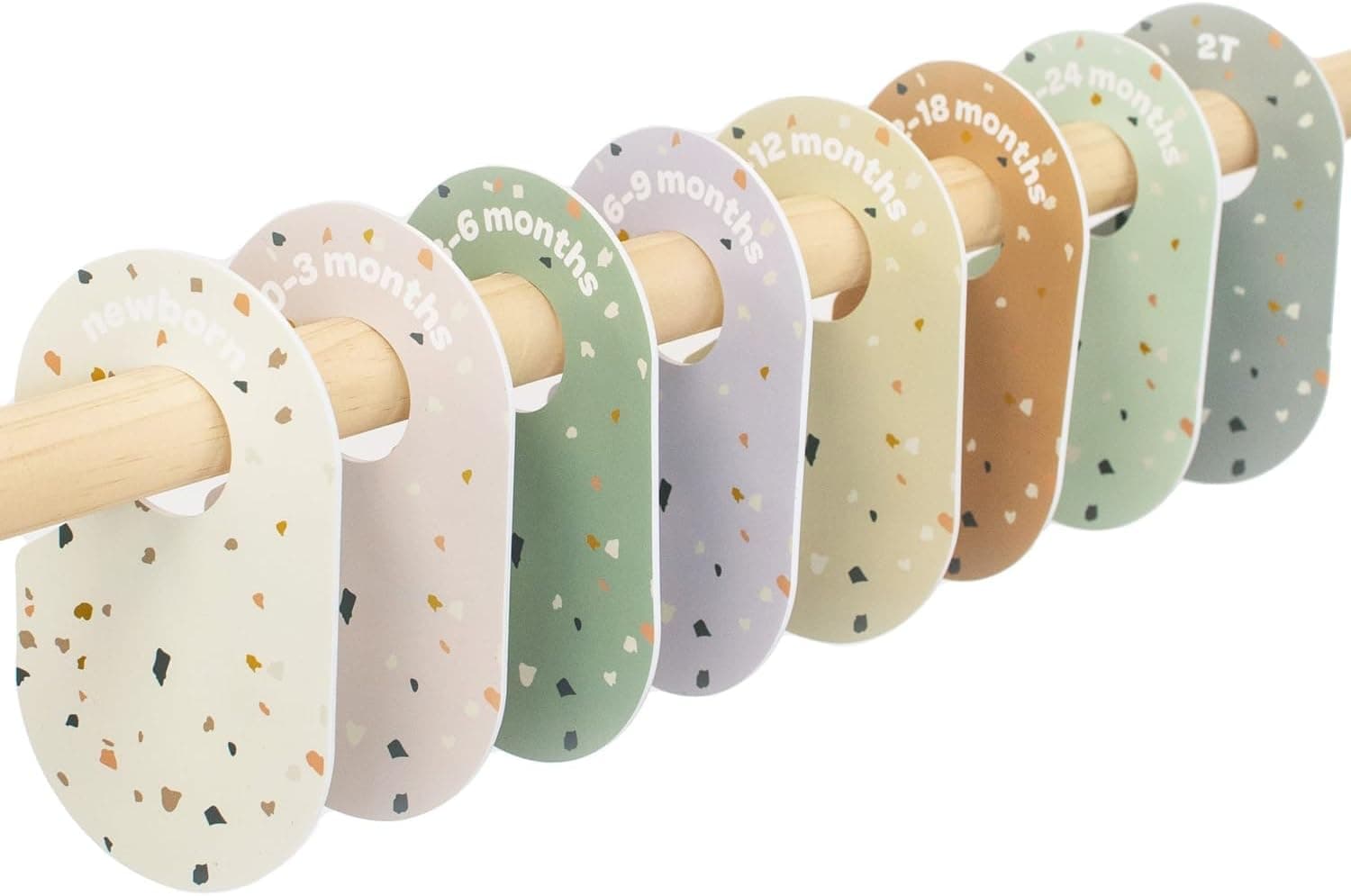
+ 8-piece set covers every size step from newborn to 2T
From our guide: Best Hanging Closet Dividers for the Nursery
+ Rotating seat swings in 3 directions for different motions
From our guide: Best Compact Baby Swings for Small Spaces
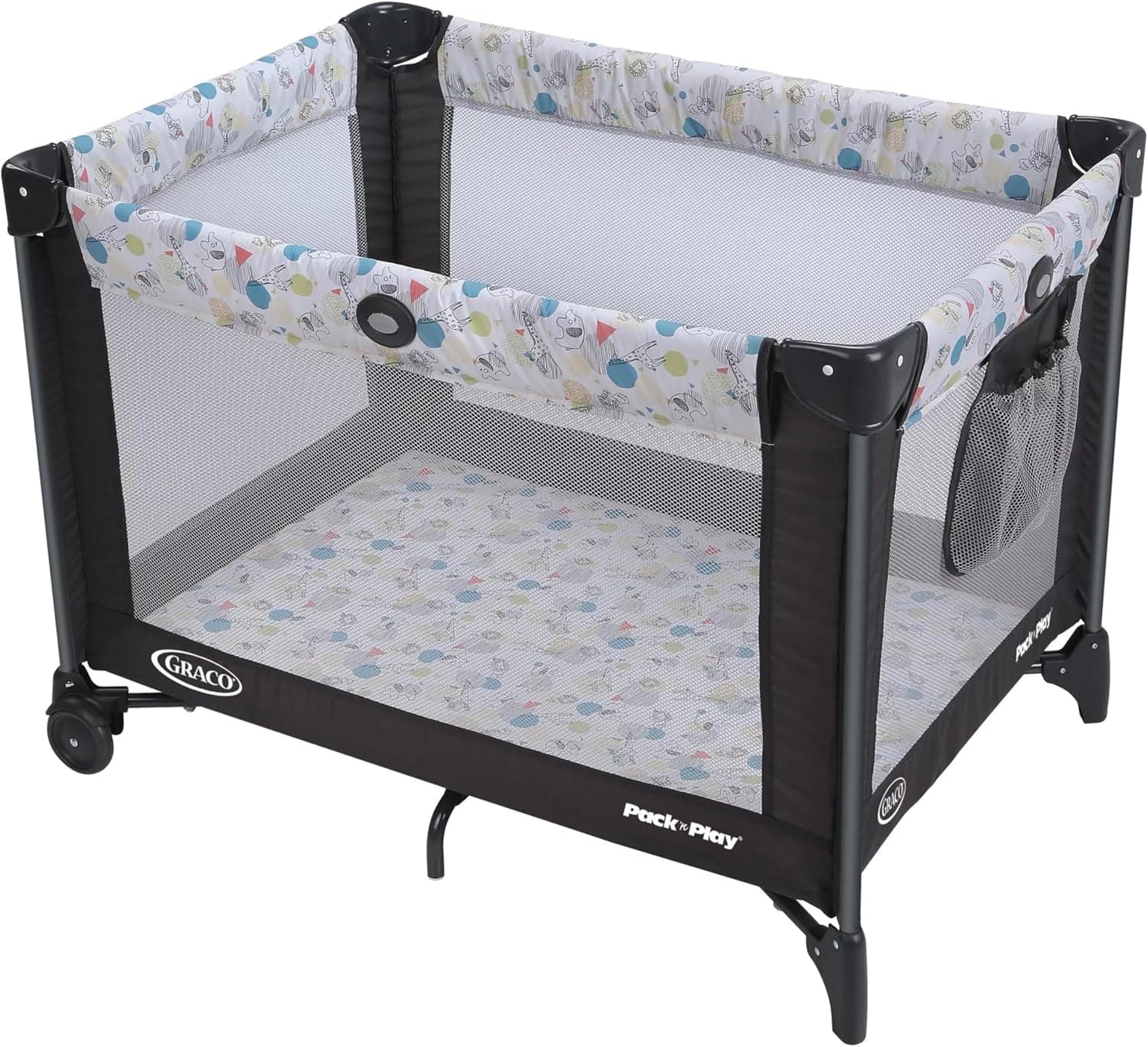
+ Push button fold makes packing up quick after naps
From our guide: Best Compact Playpens for Apartments and Small Spaces
+ Wooden dividers feel sturdier than thin cardboard or plastic tags
From our guide: Best Hanging Closet Dividers for the Nursery



The foundation is that everything must have a designated home. Clutter accumulates fastest when items have no assigned spot, because anything without a home ends up on the nearest surface. Decide where diapers live, where each size of clothing goes, where grooming tools belong, and where toys are kept. Once every category has an address, tidying becomes the quick act of returning things to their places rather than the daunting task of inventing a system every time.
Build a daily reset into your routine, because in a small room small messes become big fast. Take two minutes at a predictable moment, often after the last diaper change of the evening, to return items to their homes, restock the changing station, and clear the surfaces. A tiny room rewards this habit enormously, since it never has the spare space to absorb a growing pile. A short reset each day beats a big overwhelming cleanup each week.
Run a constant rotation of clothes and gear so the nursery only ever holds what is currently in use. Keep an outgoing bin somewhere accessible and drop outgrown clothes into it the moment you notice a snug fit, then move it out when it fills. Store the next size up and off-season items in labeled bins outside the nursery's prime real estate. A small nursery cannot hold every size at once, so treat it as a lean, current-season space and let deep storage carry the rest.
Keep surfaces as clear as you can, because in a small room flat surfaces are both scarce and magnetic to clutter. The top of the dresser, the changing area, and any open shelf will collect stray items unless you defend them. Give yourself the rule that surfaces hold only what is actively used there, and store everything else in drawers, bins, or on the walls. Clear surfaces make a small nursery feel calm and also give you working room when you need it.
Restock consumables on a schedule so you are never scrambling and never overstocking. Keep a small working supply of diapers, wipes, and creams at the changing station, replenished from a larger stash stored elsewhere, like a closet or under the crib. This keeps the daily-use area uncluttered while ensuring you never run out mid-change. Check the working supply during your evening reset so it is ready for the next day.
Finally, guard the door against incoming clutter, because a steady inflow of gifts and impulse buys is what overwhelms small nurseries over time. Adopt a loose one-in-one-out mindset, and when new items arrive, decide immediately whether they have a real home in your space or should be stored, returned, or passed on. A small nursery stays organized not by heroic cleanups but by controlling what comes in and running gentle daily habits that keep the room resetting to calm.
Popular right now
- Best Foldable Baby Bathtubs for Small BathroomsBuying guide
- Best Baby White Noise Machines for Better SleepBuying guide
- Best Baby Crib MobilesBuying guide
- Foldable Baby Gear Worth Buying for Tight SpacesArticle
- Best Slim Diaper PailsBuying guide
- Best Hanging Closet Dividers for the NurseryBuying guide
Based on the last 28 days of search and visitor data.