How to Keep Your Baby Warm and Safe at Night in Winter
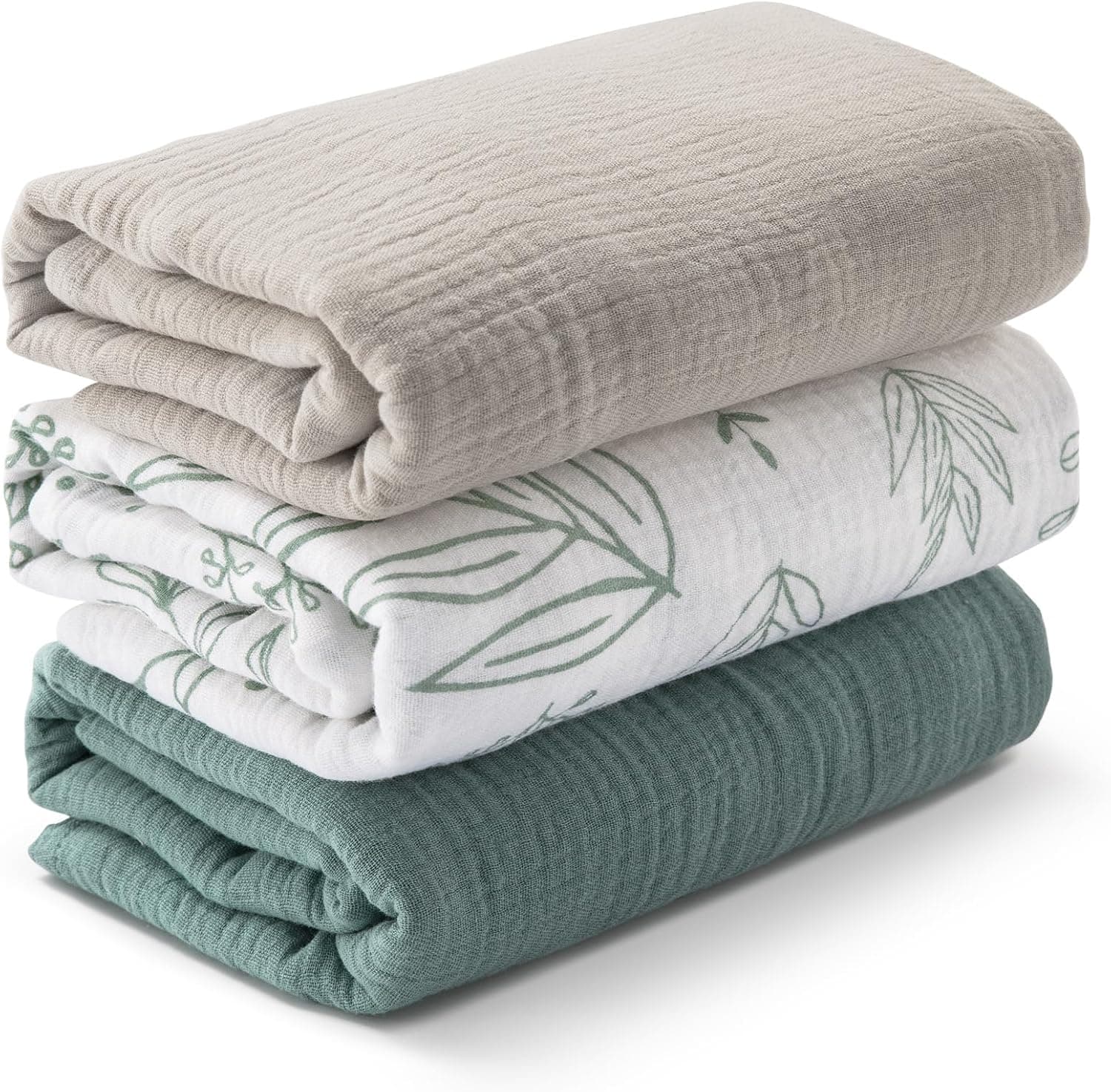
Cold winter nights and drafty apartments make parents want to pile blankets into the crib, but safe sleep guidance from the American Academy of Pediatrics recommends keeping the sleep space clear. The safer approach is to dress your baby in the right layers, choose sleep sack warmth for the room and deal with drafts at their source.
Use sleep sacks instead of blankets
Loose blankets can cover a baby's face or become tangled, so wearable blankets and sleep sacks are the recommended way to add warmth. They stay in place when a baby moves and cannot be kicked off into a pile.
Sleep sacks are labelled with a TOG rating that describes warmth. Higher TOG means warmer. Choose the rating based on the room temperature, and make sure the neck and armholes fit snugly so the baby cannot slip down inside.
Dress in light layers underneath
In a cool room, a long-sleeve bodysuit and footed pajamas under an appropriately rated sleep sack keep most babies comfortable. Thin layers are better than one thick outfit because they trap warmth without making it easy to overheat.
Avoid hats indoors during sleep, since babies release excess heat through their heads. Check warmth by feeling your baby's chest or the back of the neck, which should feel warm but not sweaty. Cool hands and feet are normal and not a sign that more layers are needed.
Manage room temperature safely
A comfortably cool room is better for sleep than a hot one. Place a room thermometer near the crib, not by a window or heater, so you are dressing your baby for the temperature they actually experience.
If you use a space heater, choose one with tip-over and overheat shut-off, keep it well away from the crib, curtains and bedding, and position it where a child cannot reach it. Never leave a heater running in a closed room without regular checks.
Stop drafts at the source
In small apartments the crib often ends up against an exterior wall or near a window, which are the coldest spots in winter. Moving the crib even a short distance toward an interior wall can make the sleep space noticeably warmer.
Removable window insulation film, draft stoppers under doors and foam weatherstripping around loose window frames all reduce cold air without permanent changes. Heavy curtains add insulation at night, but keep cords and fabric well away from the crib.
Watch for overheating too
It is easy to overcorrect in winter. Signs a baby is too warm include sweating, damp hair, flushed cheeks, heat rash and rapid breathing. If you notice these, remove a layer or switch to a lighter sleep sack.
Premature babies, babies who are unwell and newborns may need different guidance. If you are unsure how to dress your baby for your home's temperature, ask your pediatrician or health visitor for advice specific to your child.