Maximizing Closet Space in a Nursery
Published How we research
In a small nursery, the closet is your secret weapon. It is the one place where you can stack storage floor to ceiling without cluttering the room, and a well-organized closet can absorb clothes, gear, supplies, and seasonal overflow that would otherwise swallow your floor space. The trick is to stop treating it as a place to hang a few tiny outfits and start treating it as a full storage system.
Products from this article
The highest-scoring picks from the buying guides this article links to. Scores are our editorial assessment, not customer ratings.
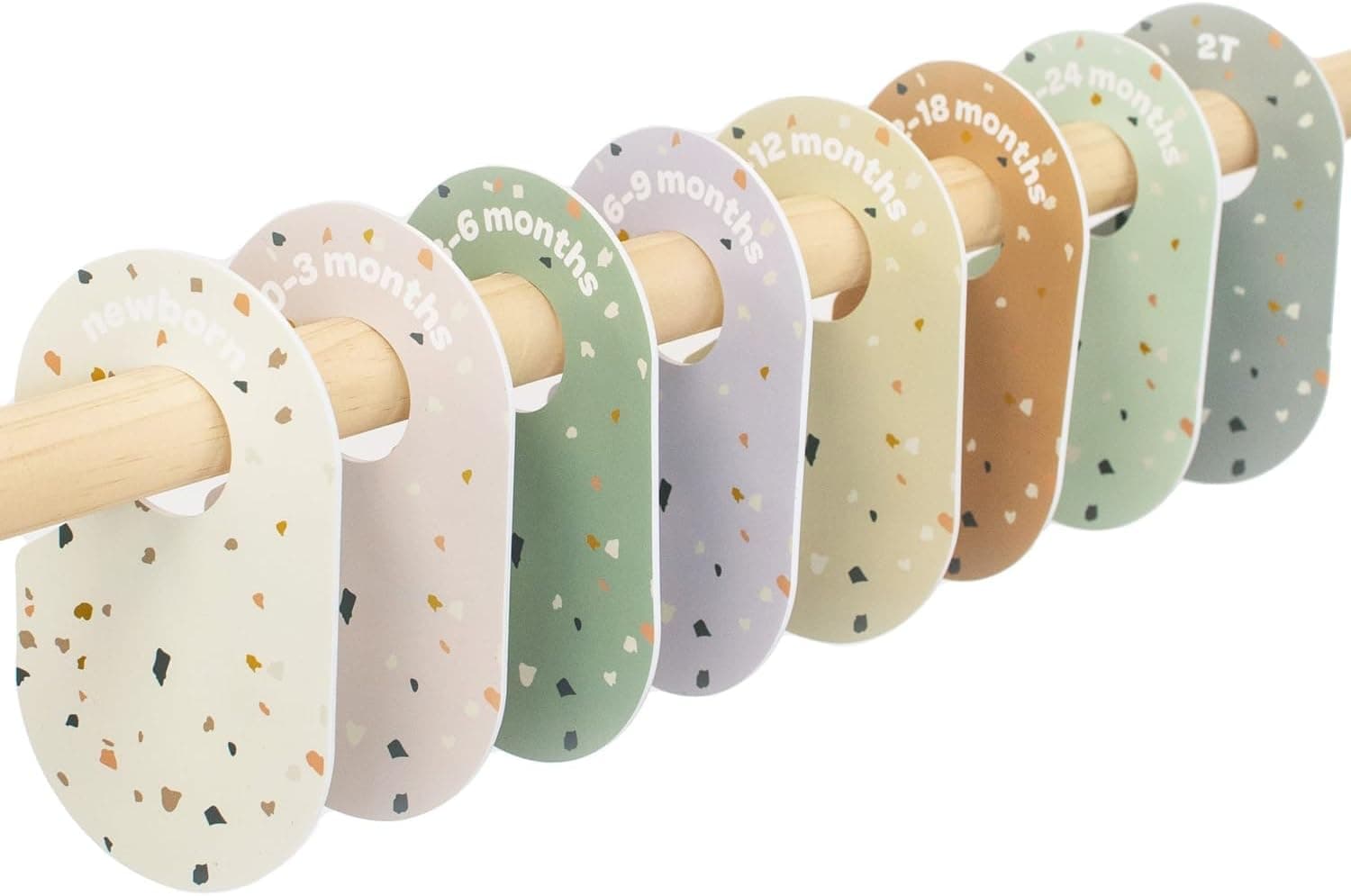
+ 8-piece set covers every size step from newborn to 2T
From our guide: Best Hanging Closet Dividers for the Nursery
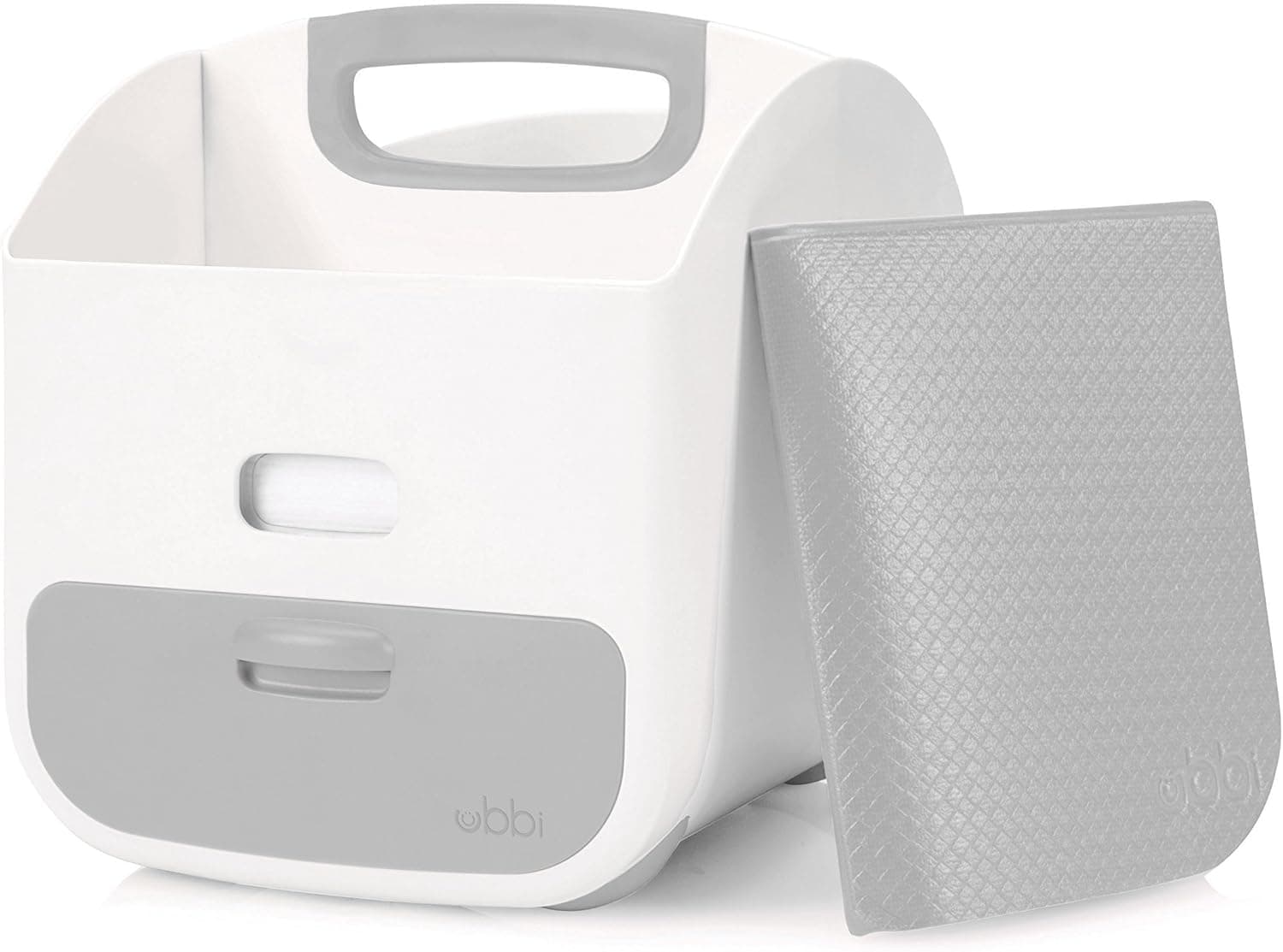
+ Folding changing mat turns any couch or bed into a changing spot
From our guide: Best Nursery Storage Organizers for Small Rooms
+ Newborn up to size 8 range lasts well into the school years
From our guide: Best Nursery Closet Organizers for Small Apartments
+ Wooden dividers feel sturdier than thin cardboard or plastic tags
From our guide: Best Hanging Closet Dividers for the Nursery


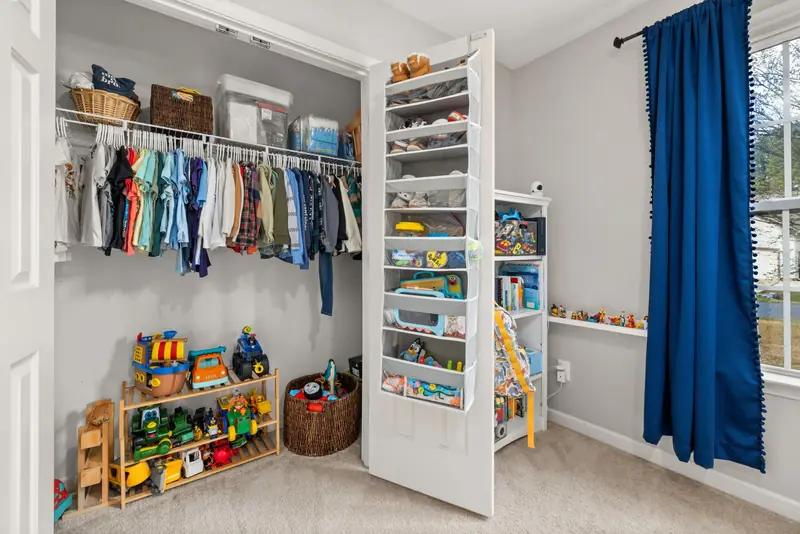
Begin by claiming the vertical space, because baby clothes are short and a single hanging rod wastes most of a closet's height. Add a second rod below the first and you instantly double your hanging capacity, with room to spare. The gap that opens up above the top rod is perfect for bins of items you reach for less often, like keepsakes, spare bedding, or the next size up in clothes.
Hanging dividers are one of the cheapest, highest-impact upgrades you can make. Slip cardboard or plastic size dividers onto the rod, labeled newborn through 24 months, and sort clothes as you receive them. Babies grow through sizes faster than you expect, and a labeled rod means you can grab the right size in the dark and rotate outgrown items without a full reorganization every few weeks.
The closet floor is prime real estate that most people waste. Instead of a heap of shoes and gift bags, place a small dresser, a set of drawers, or a stack of labeled bins there to hold folded clothes, diapers in bulk, and bath supplies. If the closet is deep, a rolling cart lets you pull supplies out when you need them and tuck them back to keep the floor clear. This is also a great home for a diaper stockpile that would look messy out in the room.
Use the back of the closet door, which is almost always empty and available. An over-the-door organizer with clear pockets can hold socks, hats, mittens, pacifiers, grooming tools, and all the tiny items that vanish in drawers. Hooks on the door hold the diaper bag, a robe, or bath towels. Every item you move onto the door is an item off your shelves and out of your floor space.
Adopt a rotation habit so the closet only ever holds what is currently useful. Store clothes your baby has outgrown and sizes they have not reached yet in flat, labeled bins on the top shelf or under the crib, keeping only the current and next size within easy reach. The same goes for seasonal gear. A closet that holds every size and season at once becomes an unusable jumble, while a rotated one stays functional and calm.
Finally, keep a giveaway or storage bin working at all times. Babies outgrow clothes constantly, and if you do not have a designated place for outgrown items, they pile up on shelves and eat the space you just organized. A single bin on the closet floor, emptied whenever it fills, keeps the whole system flowing so your hard-won organization actually lasts past the first month.
Popular right now
- Best Foldable Baby Bathtubs for Small BathroomsBuying guide
- Best Baby White Noise Machines for Better SleepBuying guide
- Best Baby Crib MobilesBuying guide
- Foldable Baby Gear Worth Buying for Tight SpacesArticle
- Best Slim Diaper PailsBuying guide
- Best Hanging Closet Dividers for the NurseryBuying guide
Based on the last 28 days of search and visitor data.