Quiet Baby Gear for Apartments
Published How we research
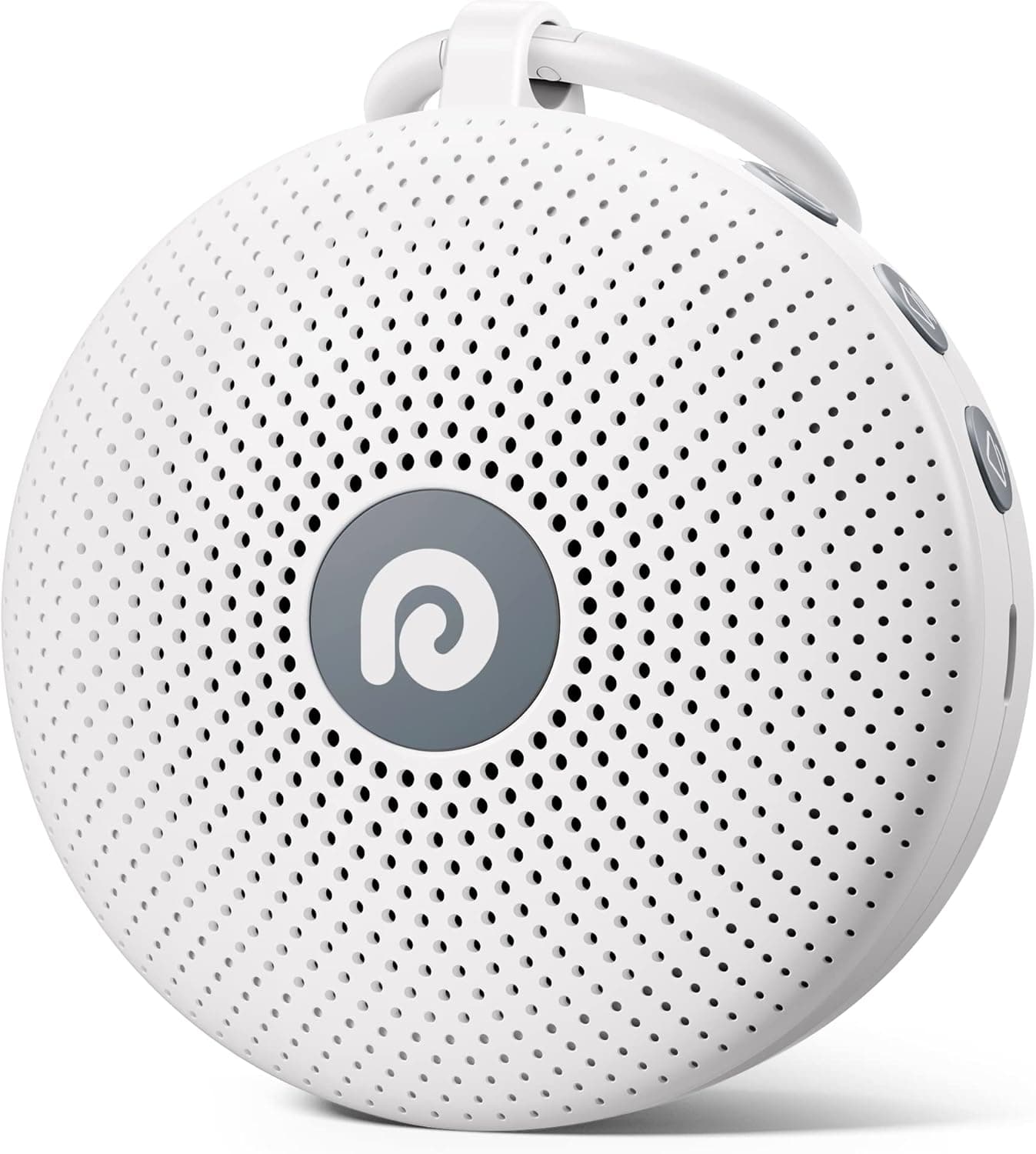
Apartment living adds a dimension to baby gear that homeowners rarely think about: noise, both the noise your baby makes that neighbors hear, and the noise that gear and neighbors make that wakes your baby. With shared walls, floors, and ceilings, sound travels in every direction, and a little attention to quiet gear and smart sound management goes a long way toward keeping both your baby and your neighbors happy. In close quarters, quiet is a genuine feature worth prioritizing.
Products from this article
The highest-scoring picks from the buying guides this article links to. Scores are our editorial assessment, not customer ratings.
+ 21 soothing sounds give far more choice than basic travel soothers
From our guide: Best Portable Sound Machines for Small Apartments
+ Sound machine and night light in one unit, which saves a spot on a small nursery shelf.
From our guide: Best Baby White Noise Machines for Better Sleep
+ 15 hours battery lasts through naps and an overnight stay
From our guide: Best Portable Sound Machines for Small Apartments
+ Portable format with a ring for clipping it on, described in the listing as drop proof and drool friendly.
From our guide: Best Baby White Noise Machines for Better Sleep
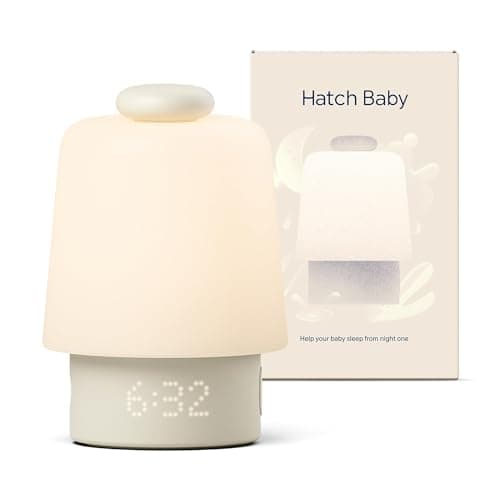
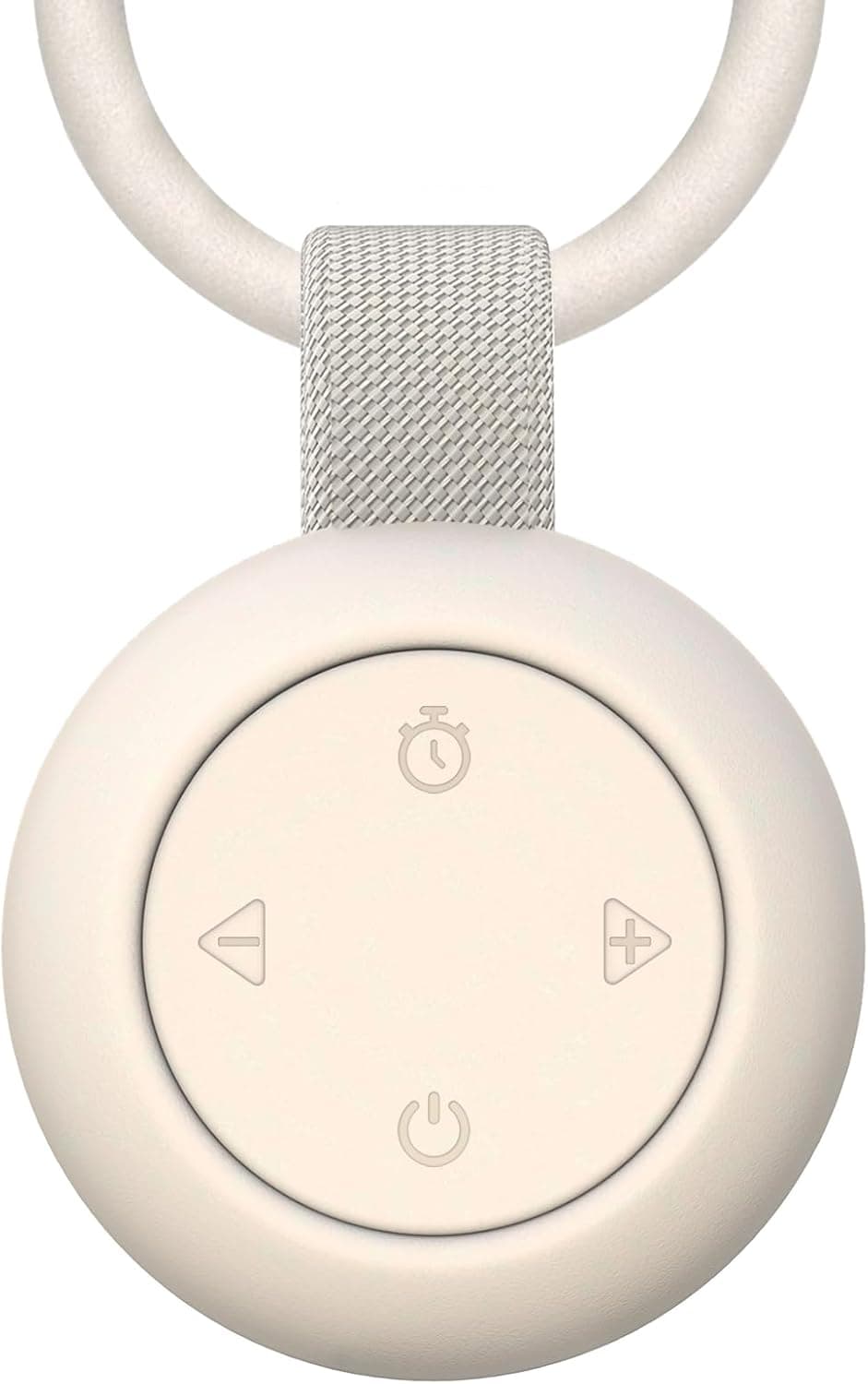
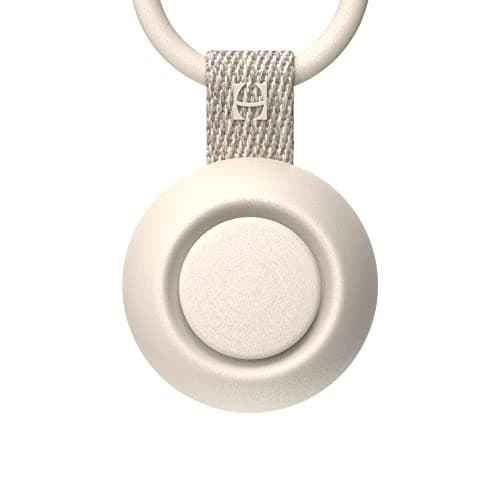
Start with the gear that has motors and moving parts, since that is where mechanical noise hides. Swings, bouncers, and sound machines vary widely in how loud their motors run, and in a quiet apartment a humming motor near the crib is more noticeable than it would be in a house. When possible, choose battery or quiet-motor models and test them before committing. The same goes for anything with wheels or gliding mechanisms, which can squeak and thud on hard apartment floors.
A good white noise machine is arguably the most valuable piece of quiet-supporting gear for apartment families, because it works in both directions. It masks the unpredictable sounds of neighbors, plumbing, elevators, and street noise that would otherwise startle a sleeping baby, and it provides a steady, soothing backdrop that helps the baby settle and stay asleep. Place it between the crib and the main source of intruding noise, keep the volume moderate rather than blasting, and it becomes the anchor of peaceful sleep in a noisy building.
Soft furnishings are your allies against sound because hard apartment surfaces bounce noise around. A rug under the nursery area, curtains on the windows, and fabric storage bins all absorb sound that would otherwise echo off bare floors and walls. These additions do double duty, dampening the noise your baby's gear and cries send to neighbors below while also softening the sounds that reach the baby from outside. In an apartment, textiles are quiet infrastructure.
Think about the floor specifically, since in an apartment your floor is someone's ceiling. A play mat or thick rug in the nursery and living areas muffles the thumps of dropped toys, rolling walkers, and eventually a mobile baby, sparing the downstairs neighbors and reducing the echo in your own space. Felt pads under furniture legs stop the scrapes and screeches that carry through floors. This kind of quiet consideration keeps neighbor relations smooth, which matters a lot when you share walls for years.
Be mindful of gear timing as much as gear choice. A loud swing motor, a noisy bath tub draining, or an energetic bouncer at eleven at night is more about when than what. Save the louder activities for daytime hours when ambient building noise is higher and neighbors are more forgiving, and keep the evening routine to quiet gear and soft voices. Managing when noise happens is often easier than eliminating the noise entirely.
Ultimately, quiet baby gear for apartments is about layering a few good choices: low-noise mechanical items, a reliable white noise machine, sound-absorbing textiles on floors and windows, and a little timing awareness. None of it is expensive or complicated, but together these steps keep your baby sleeping through the building's inevitable sounds and keep your household from becoming the disruptive one. In an apartment, peace and quiet is something you design for, and it pays off in better sleep for everyone within earshot.
Popular right now
- Best Foldable Baby Bathtubs for Small BathroomsBuying guide
- Best Baby White Noise Machines for Better SleepBuying guide
- Best Baby Crib MobilesBuying guide
- Foldable Baby Gear Worth Buying for Tight SpacesArticle
- Best Slim Diaper PailsBuying guide
- Best Hanging Closet Dividers for the NurseryBuying guide
Based on the last 28 days of search and visitor data.