Creating a Sleep-Friendly Corner in a Shared Room
Published How we research
When your baby shares a room with you or a sibling, a dedicated sleep corner helps everyone rest better. The goal is to make one part of the room feel calm and separate, even without walls.
Products from this article
The highest-scoring picks from the buying guides this article links to. Scores are our editorial assessment, not customer ratings.
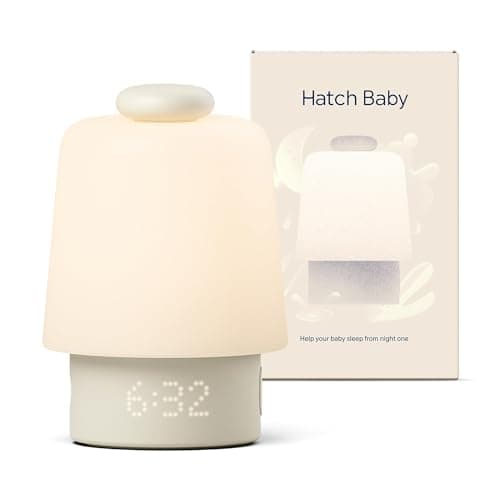
+ Sound machine and night light in one unit, which saves a spot on a small nursery shelf.
From our guide: Best Baby White Noise Machines for Better Sleep
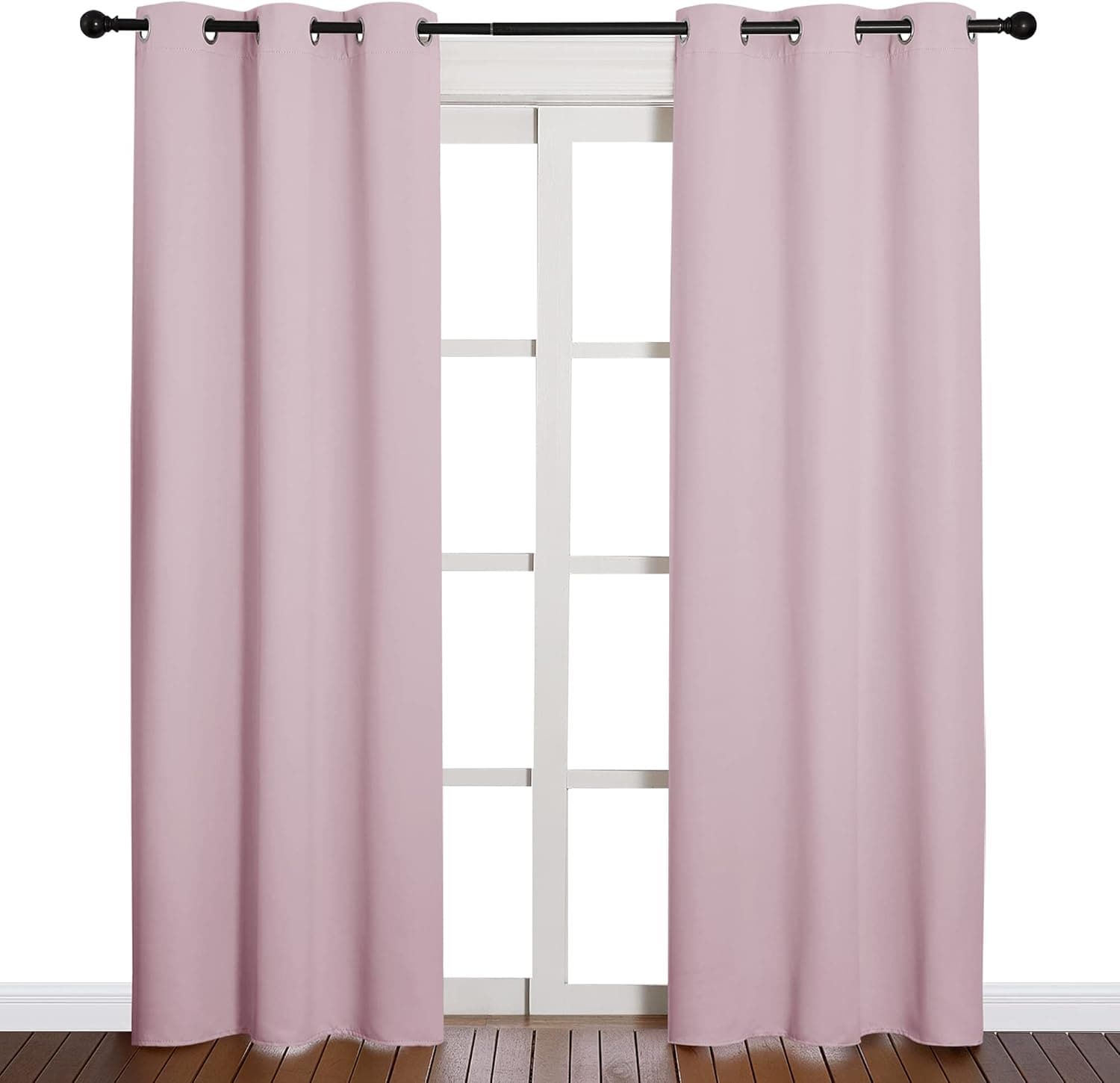
+ 84-inch length reaches near the floor and blocks light from below
From our guide: Best Nursery Blackout Curtains
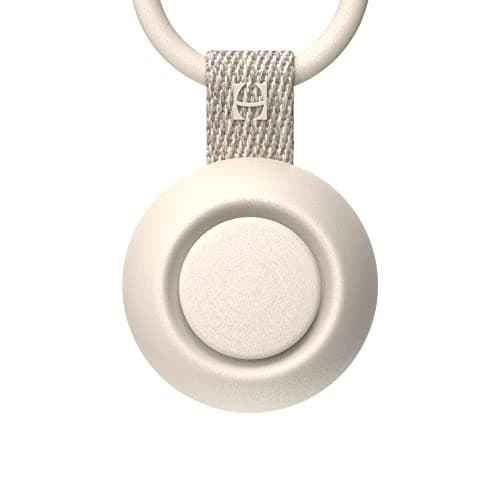
+ Portable format with a ring for clipping it on, described in the listing as drop proof and drool friendly.
From our guide: Best Baby White Noise Machines for Better Sleep
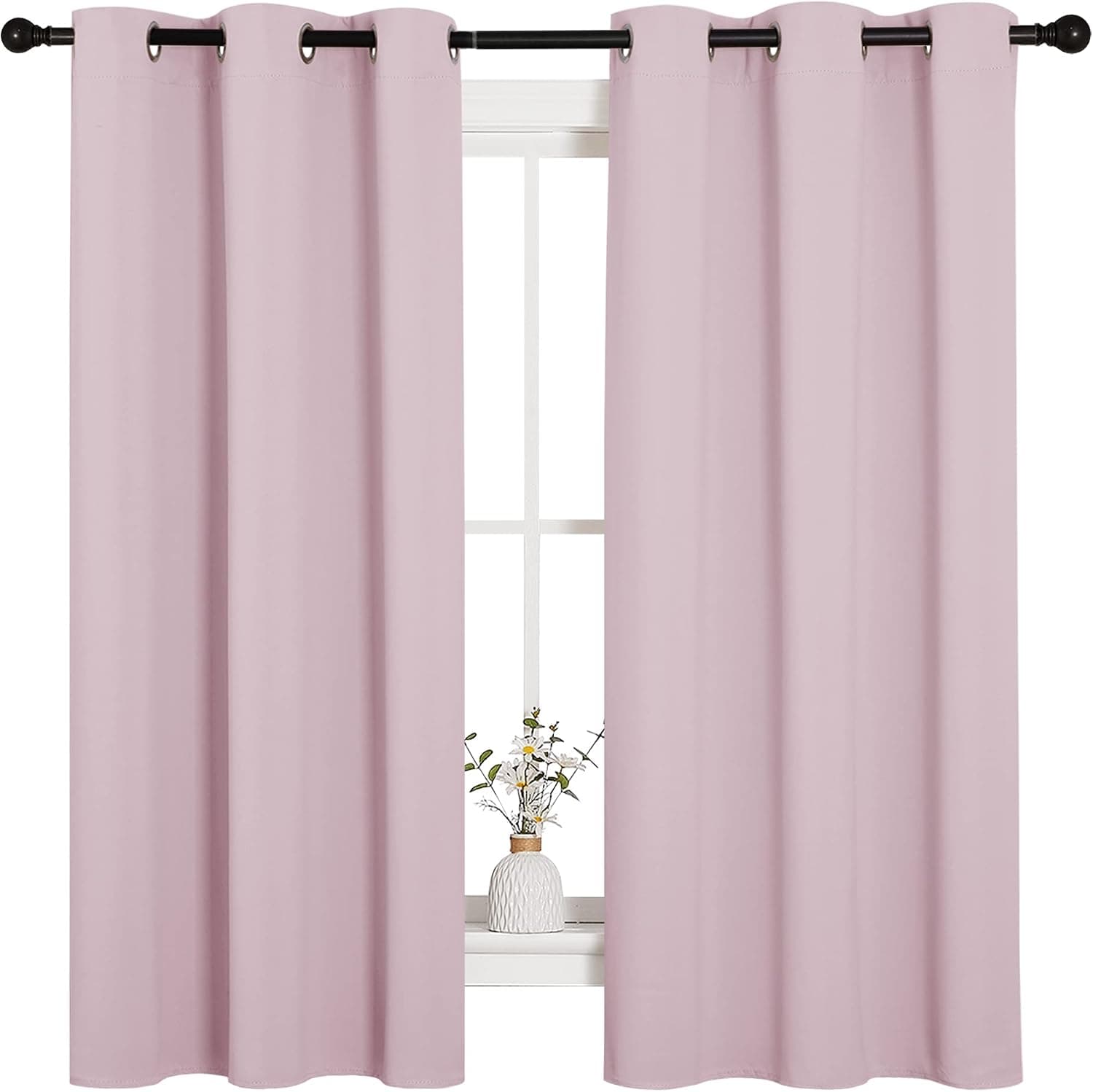
+ Thermal insulated fabric helps a nursery stay cooler in summer sun
From our guide: Best Nursery Blackout Curtains

Choose the quietest, darkest corner as the sleep zone, ideally away from the door and the main walking path. Placing the crib against a wall and out of the direct line of foot traffic gives the baby a more settled spot and keeps them from waking every time someone moves.
Use a divider to create a visual and light barrier. A curtain on a tension rod, a folding screen, or a bookshelf between the crib and the rest of the room signals a separate sleep space and blocks some of the light and activity from the shared area.
Control the light, since darkness supports sleep. Blackout curtains on the window help at nap time and in early mornings, and a small dim nightlight lets you handle night feeds without flipping on bright overheads that would wake everyone.
Manage sound thoughtfully. A white noise machine or a simple fan creates a steady background hum that softens the sounds of other people in the room. This is especially helpful when a sibling is still awake or you are moving around after the baby goes down.
Keep the crib itself bare and safe. A firm mattress with a fitted sheet and no pillows, bumpers, or loose blankets is the safest setup, and it also keeps the corner uncluttered. Store sleep sacks and spare sheets in a nearby bin so changes are quick and quiet.
Set up the corner so night care is smooth. Keep a small basket of essentials, a change of clothes, and a soft light within reach so you can tend to the baby without crossing the room or waking others.
Respect different schedules in a shared room. Try to align routines where you can, and use the divider and sound cover to buffer the times when they do not match. A well defined corner lets a baby and the rest of the household coexist and still get the rest they need.
Popular right now
- Best Foldable Baby Bathtubs for Small BathroomsBuying guide
- Best Baby White Noise Machines for Better SleepBuying guide
- Best Baby Crib MobilesBuying guide
- Foldable Baby Gear Worth Buying for Tight SpacesArticle
- Best Slim Diaper PailsBuying guide
- Best Hanging Closet Dividers for the NurseryBuying guide
Based on the last 28 days of search and visitor data.