Baby Gear You Can Skip in a Small Apartment
Published How we research
Baby marketing pushes a long list of must haves, but in a small apartment every item competes for space you do not have. Knowing what to skip keeps your home livable without shortchanging your baby.
Products from this article
The highest-scoring picks from the buying guides this article links to. Scores are our editorial assessment, not customer ratings.
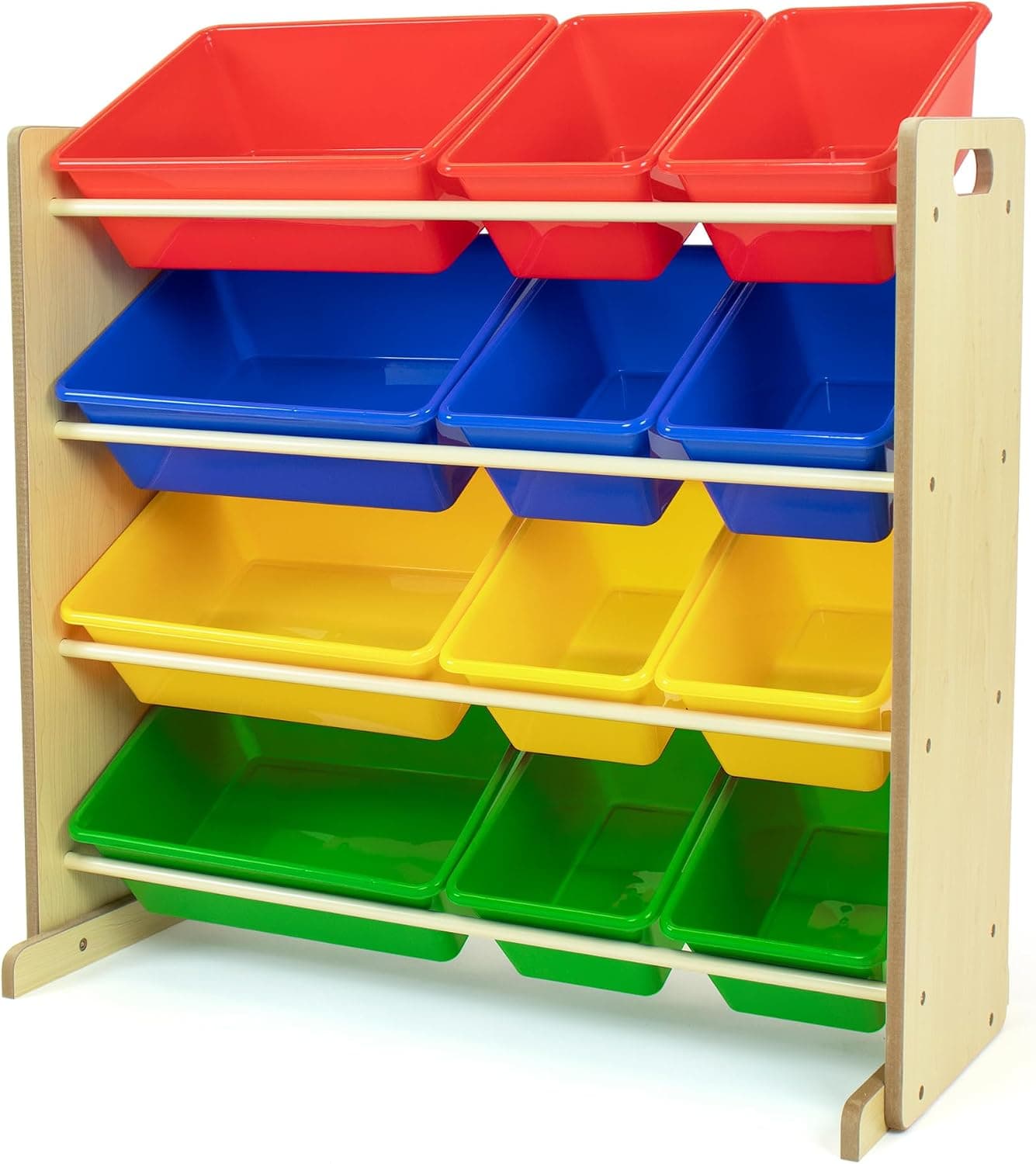
+ 20 removable bins let you sort blocks, cars and dolls separately
From our guide: Best Space-Saving Toy Storage for Small Apartments
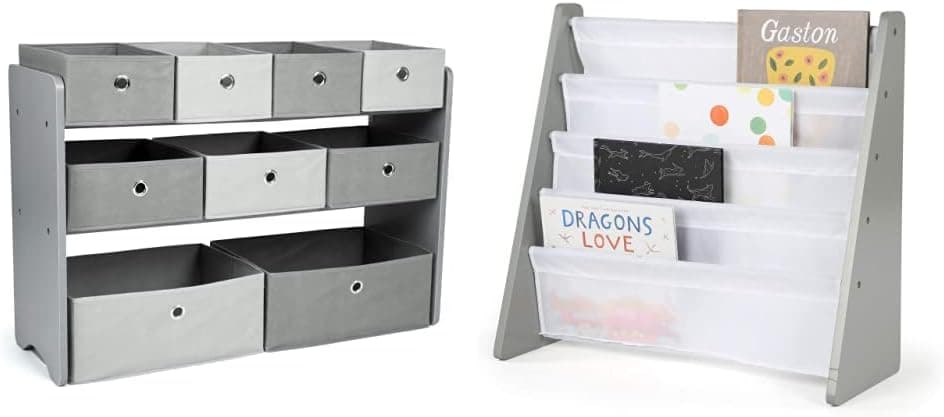
+ Book rack displays covers so toddlers can pick stories easily
From our guide: Best Space-Saving Toy Storage for Small Apartments
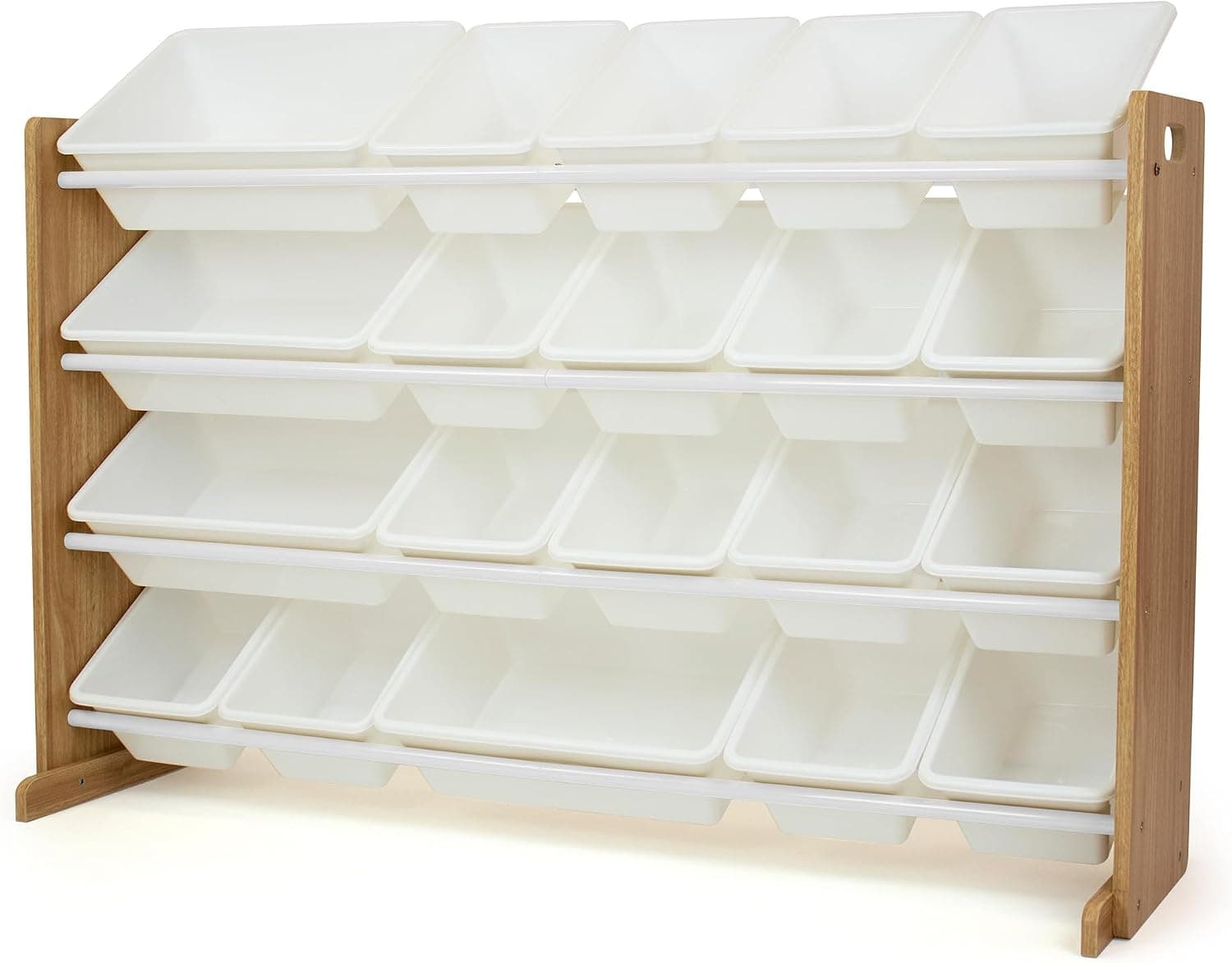
+ Ladder frame leans slim against the wall to save floor depth
From our guide: Best Space-Saving Toy Storage for Small Apartments
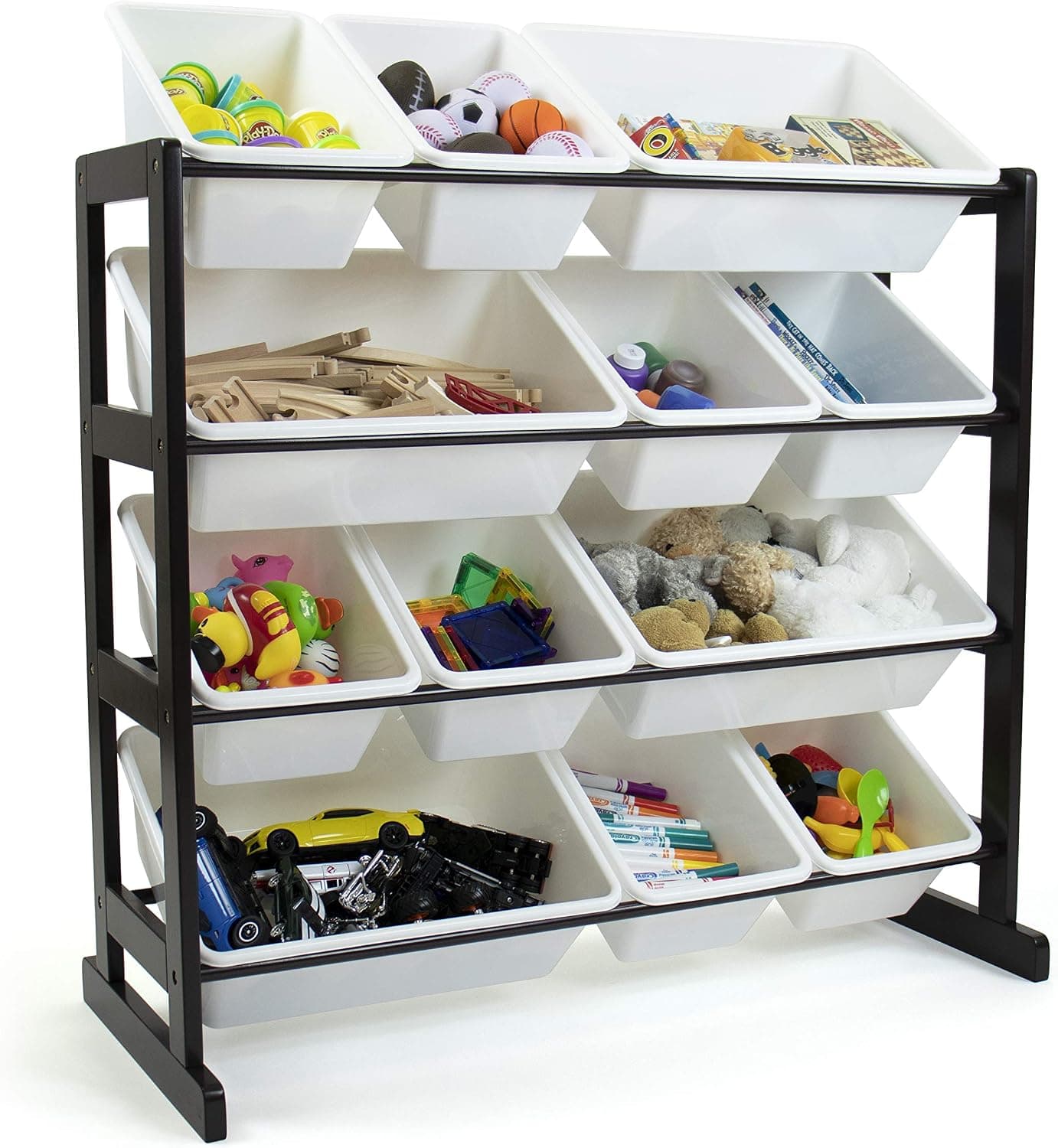
+ 12 plastic bins sort toys by type for easy cleanup
From our guide: Best Space-Saving Toy Storage for Small Apartments
The changing table is often the first thing to go. A changing pad on top of a dresser you already own does the same job and frees a whole piece of furniture. Add a small basket of supplies beside it and you have a full changing station in zero extra footprint.
Bulky nursery gliders are lovely but large. Many parents find an existing armchair or even the edge of the bed works fine for feeds. If you want dedicated seating, look for a compact rocker rather than an oversized glider that eats the corner.
You can usually skip owning both a swing and a bouncer. Each is big, and babies often prefer one over the other. Start with a single compact seat, and only add a second if your baby clearly needs it. The same goes for having multiple carriers when one good one covers most outings.
Wipe warmers, bottle sterilizers, and specialty gadgets tend to crowd counters that are already short on room. A pot of boiling water sterilizes bottles, and room temperature wipes are fine for most babies. Save the counter space for things you use every day.
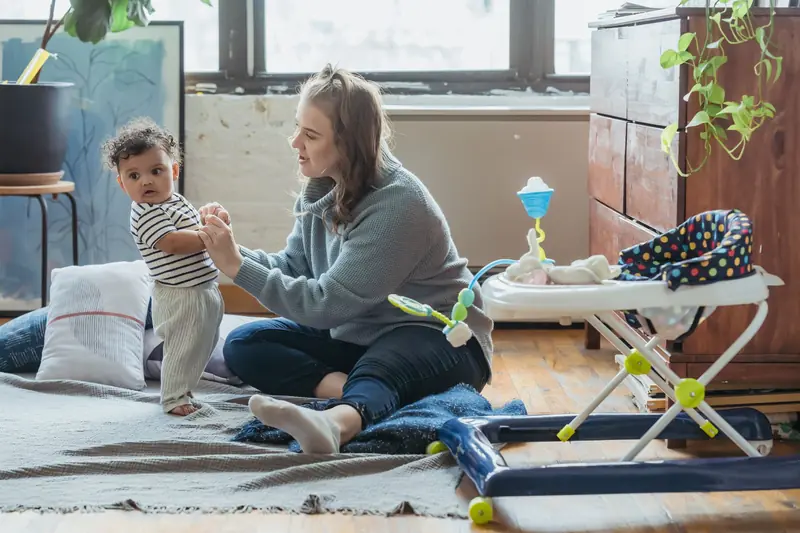
Full size play mats and activity centers take up floor you need to walk through. A foldable mat you can roll away, or a small play gym, gives your baby room to move without permanently claiming the living room.
Think about the newborn phase honestly. Many items marketed for the first weeks, like a separate bassinet plus a crib plus a co sleeper, overlap in function. Pick one safe sleep space and skip the duplicates.
Before buying anything large, ask where it will live when not in use. If you cannot answer that, it probably does not belong in a small apartment. Borrow or rent bulky items for short phases instead of storing them long term.
Popular right now
- Best Foldable Baby Bathtubs for Small BathroomsBuying guide
- Best Baby White Noise Machines for Better SleepBuying guide
- Best Baby Crib MobilesBuying guide
- Foldable Baby Gear Worth Buying for Tight SpacesArticle
- Best Slim Diaper PailsBuying guide
- Best Hanging Closet Dividers for the NurseryBuying guide
Based on the last 28 days of search and visitor data.