Babyproofing a Small Home
Published How we research
A small home has a quiet advantage when it comes to babyproofing: there is simply less to secure. Fewer rooms, fewer outlets, and shorter distances mean you can lock the whole place down faster and keep your crawling baby in sight more easily. The trade-off is that everything sits closer together, so hazards you might ignore in a big house are suddenly within a baby's reach. A methodical, room-by-room pass is the best way to catch them.
Products from this article
The highest-scoring picks from the buying guides this article links to. Scores are our editorial assessment, not customer ratings.
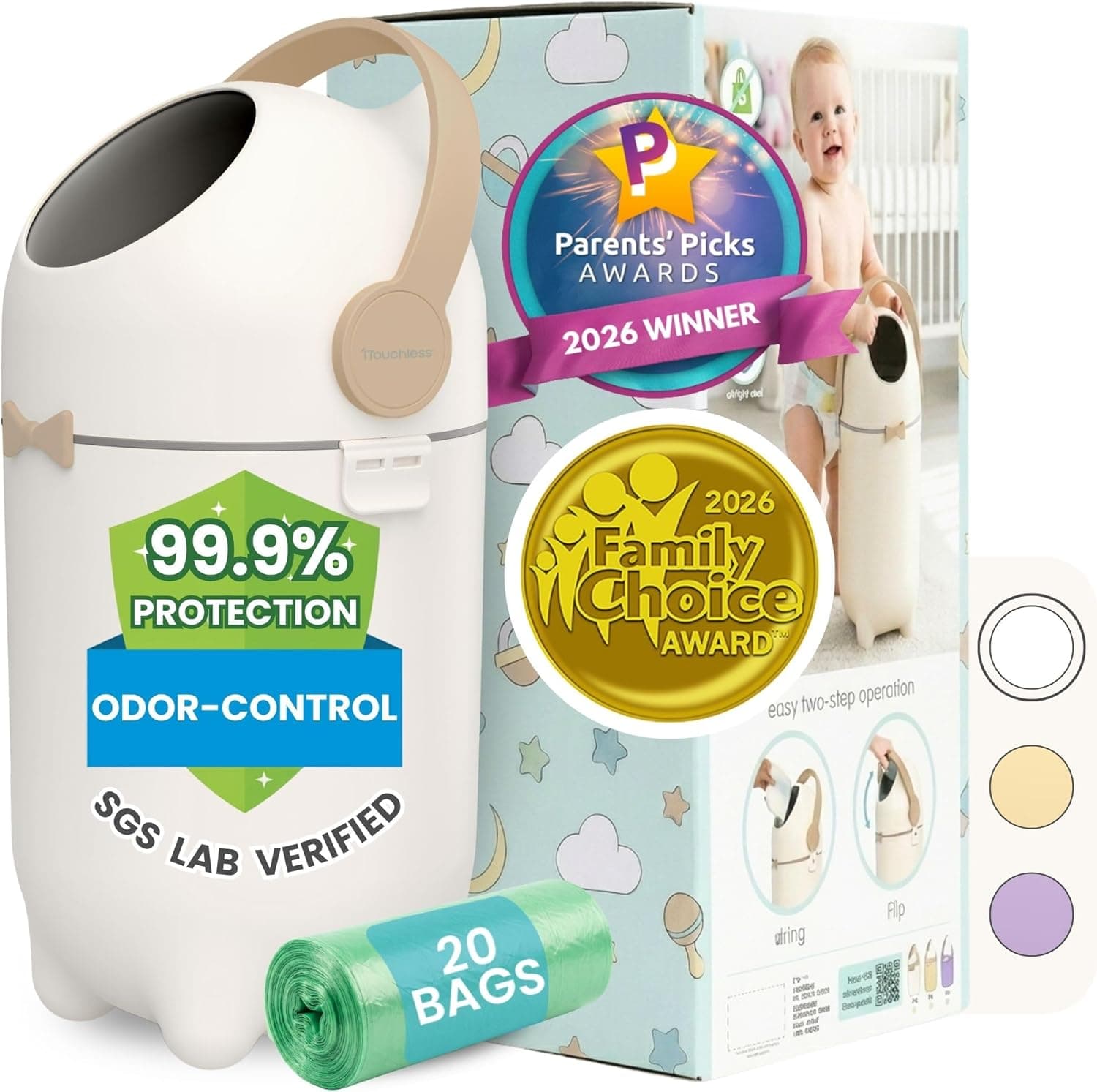
+ Includes 20 bags, so you can start using it right away
From our guide: Best Slim Diaper Pails
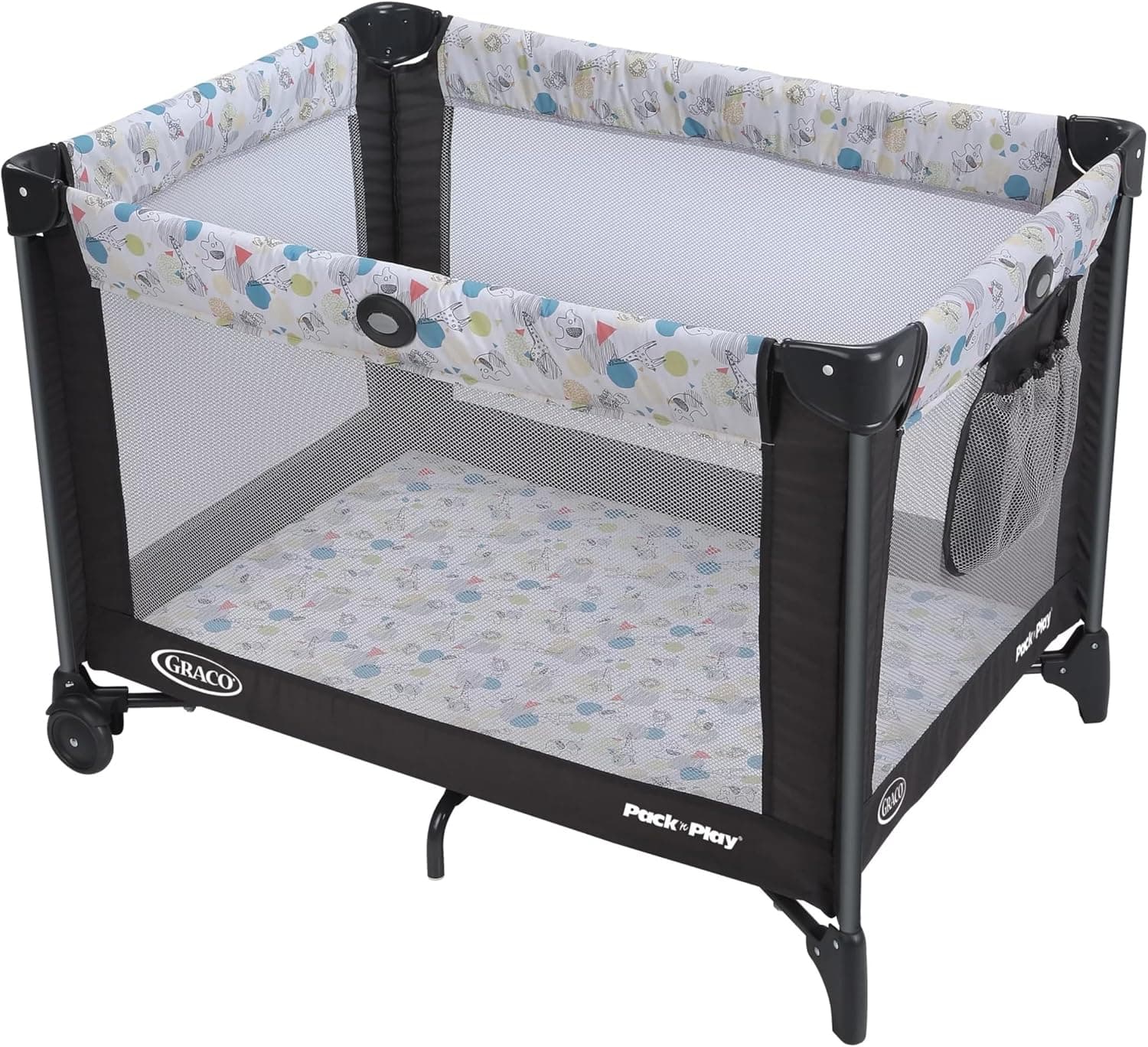
+ Push button fold makes packing up quick after naps
From our guide: Best Compact Playpens for Apartments and Small Spaces
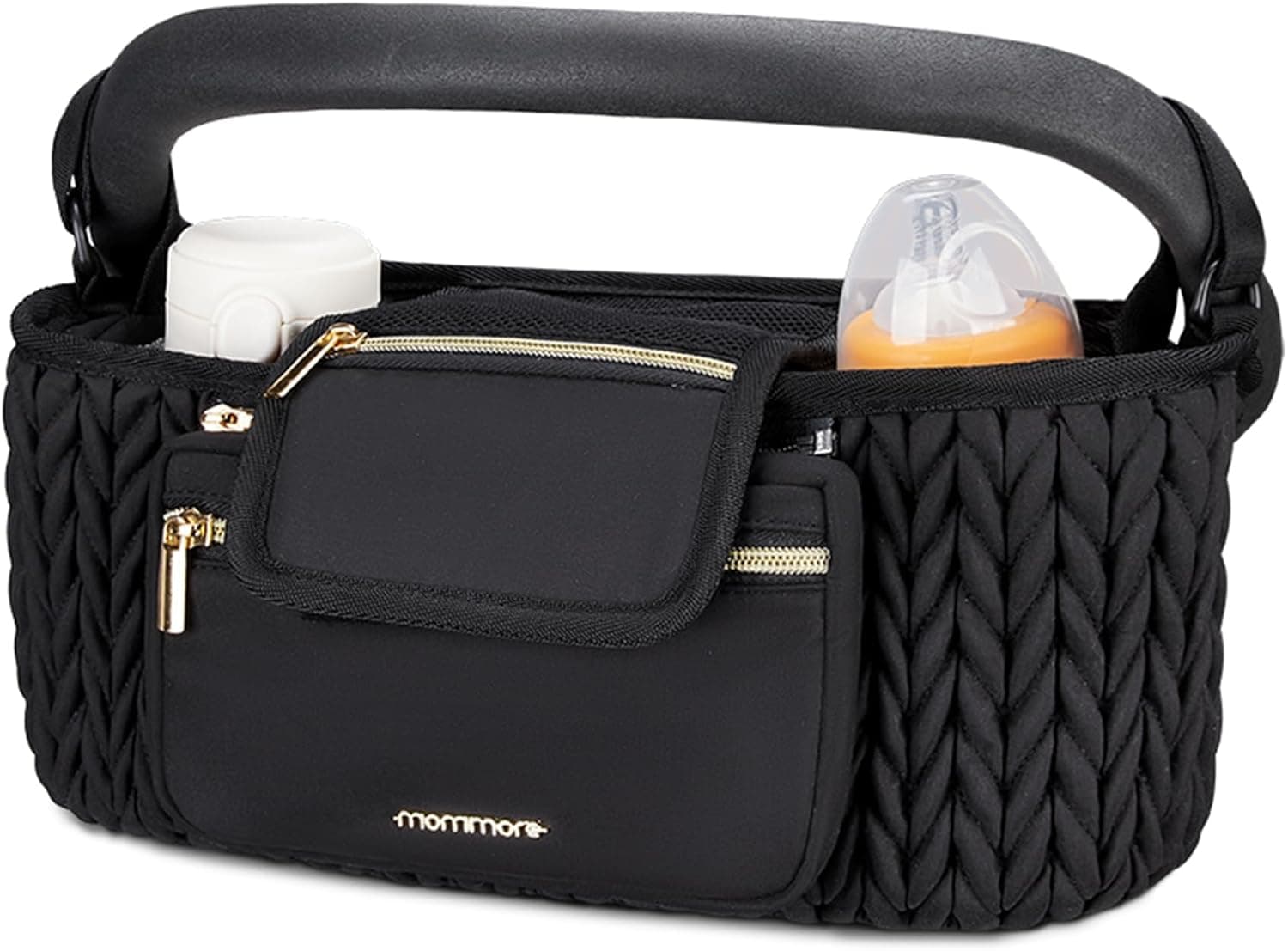
+ Detachable phone bag can be carried when you leave the stroller
From our guide: Best Stroller Organizers
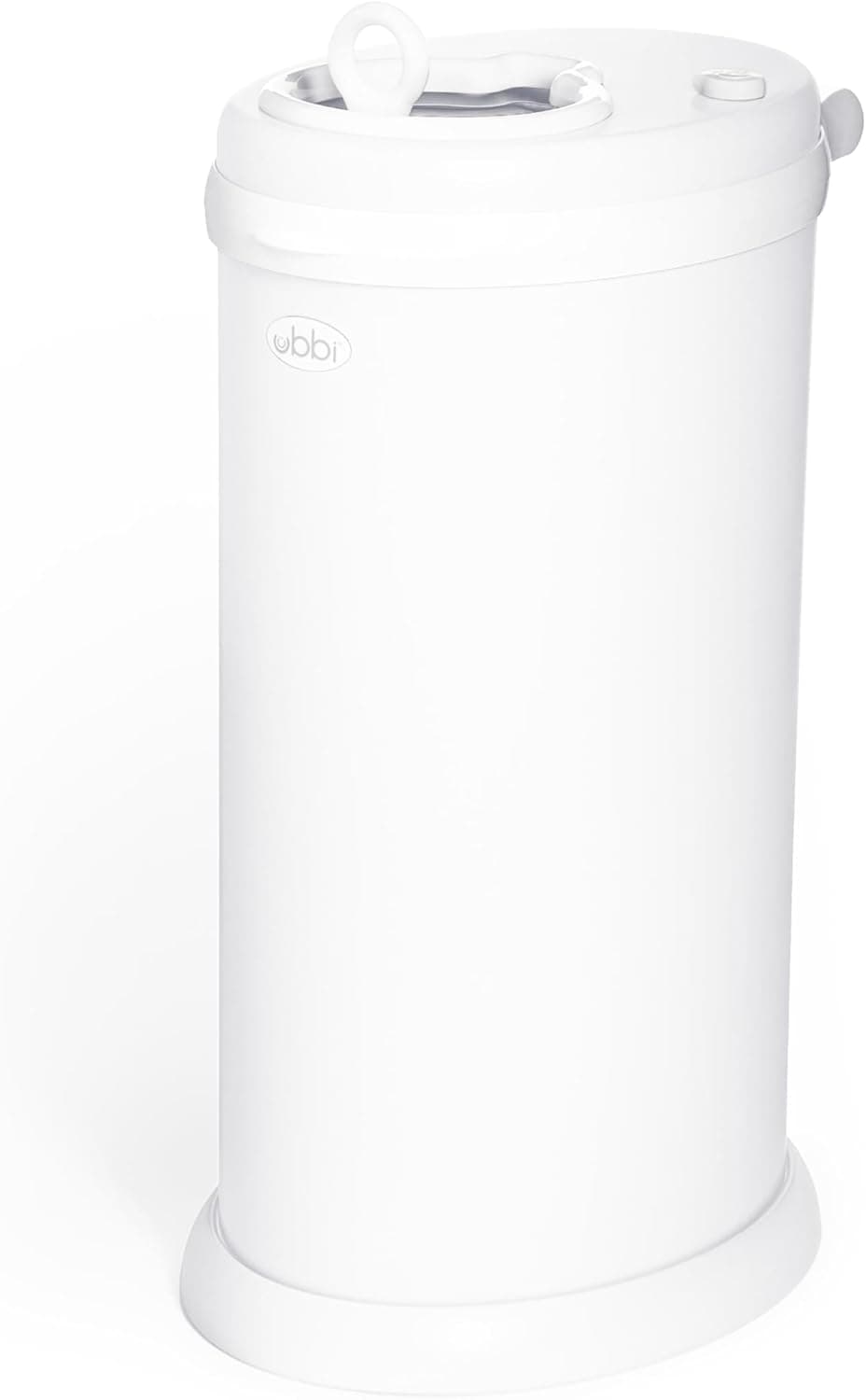
+ No special bag required, so regular trash bags keep costs down
From our guide: Best Slim Diaper Pails
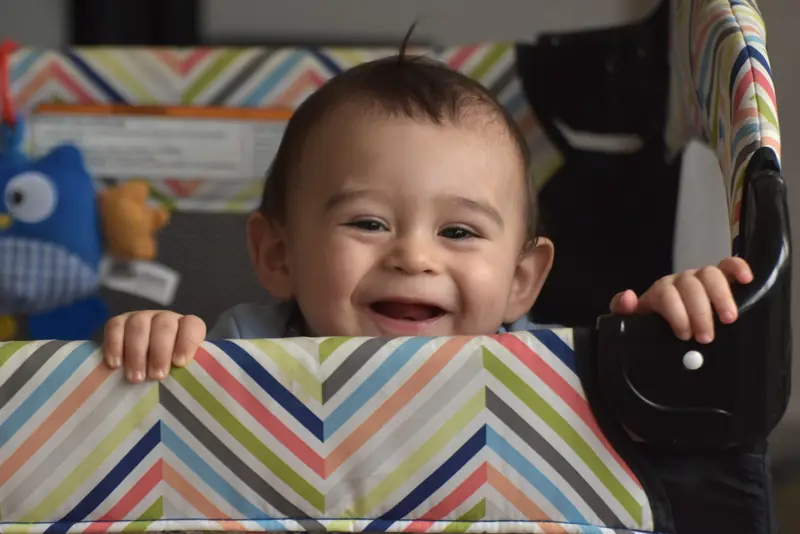
Start in the main living area, where your baby will spend the most awake time. Get down to floor level and look at the room from their point of view, because that is the only way to spot the outlet behind the couch, the cord dangling from the lamp, and the sharp corner of the coffee table at forehead height. Anchor any furniture that could tip, especially bookcases and media units, since a small room often means tall furniture crammed into little floors. Secure cords, cover outlets, and add corner guards where needed.
The kitchen is usually the highest-risk room and, in a small home, often opens right onto the living space. If you cannot close it off with a gate, focus on the lowest cabinets and drawers, adding latches to anything holding cleaning products, sharp tools, or heavy pots. Turn pot handles inward on the stove, keep hot drinks well back from counter edges, and store anything toxic up high rather than under the sink. In tight kitchens, a baby underfoot while you cook is a real danger, so a small playpen or a secured high chair nearby can keep them safe and visible.
Bathrooms pack a lot of hazards into a few square feet. Water, medicines, cleaning products, and hard surfaces all live in one small room. Use a toilet lid lock, store all medications and cleaners in a high or latched cabinet, and never leave standing water in a tub or bucket, since babies can drown in shockingly little water. Set your water heater no higher than 120 degrees to prevent scald burns, and keep a non-slip mat in the tub.
Bedrooms and sleep spaces need their own sweep, especially in a small home where the nursery may share a room. Keep the crib away from windows, curtains, and cords, all of which pose strangulation risks. Anchor the dresser, secure any blind cords high out of reach, and make sure nothing climbable sits next to the crib once your baby can stand. The sleep surface itself should stay bare: firm mattress, fitted sheet, nothing else.
Gates and barriers do a lot of work in a compact layout. Because rooms are close together, a single well-placed gate can cordon off a whole hazardous zone like a kitchen or a staircase. Choose hardware-mounted gates for the top of any stairs and pressure-mounted ones for doorways. In an open-plan small home, a portable playpen gives you a safe island where you can set the baby down for a minute knowing they cannot reach anything dangerous.
Babyproofing is not a one-time event but a moving target that tracks your baby's development. What is safe for a newborn is not safe for a cruiser, and what contains a cruiser will not stop a climber. Re-walk your small home every couple of months at your baby's current eye level and skill level. In tight quarters your baby reaches new things fast, so staying a step ahead of their next milestone is the whole game.
Popular right now
- Best Foldable Baby Bathtubs for Small BathroomsBuying guide
- Best Baby White Noise Machines for Better SleepBuying guide
- Best Baby Crib MobilesBuying guide
- Foldable Baby Gear Worth Buying for Tight SpacesArticle
- Best Slim Diaper PailsBuying guide
- Best Hanging Closet Dividers for the NurseryBuying guide
Based on the last 28 days of search and visitor data.