Creating a Nursery Nook in Your Bedroom
Published How we research
Plenty of families bring baby home to a bedroom rather than a dedicated nursery, and it works beautifully when you plan the nook with intention. A nursery nook is simply a defined zone within your bedroom that holds everything your baby needs, kept separate enough that the room still feels like yours. The goal is coexistence, not takeover.
Products from this article
The highest-scoring picks from the buying guides this article links to. Scores are our editorial assessment, not customer ratings.
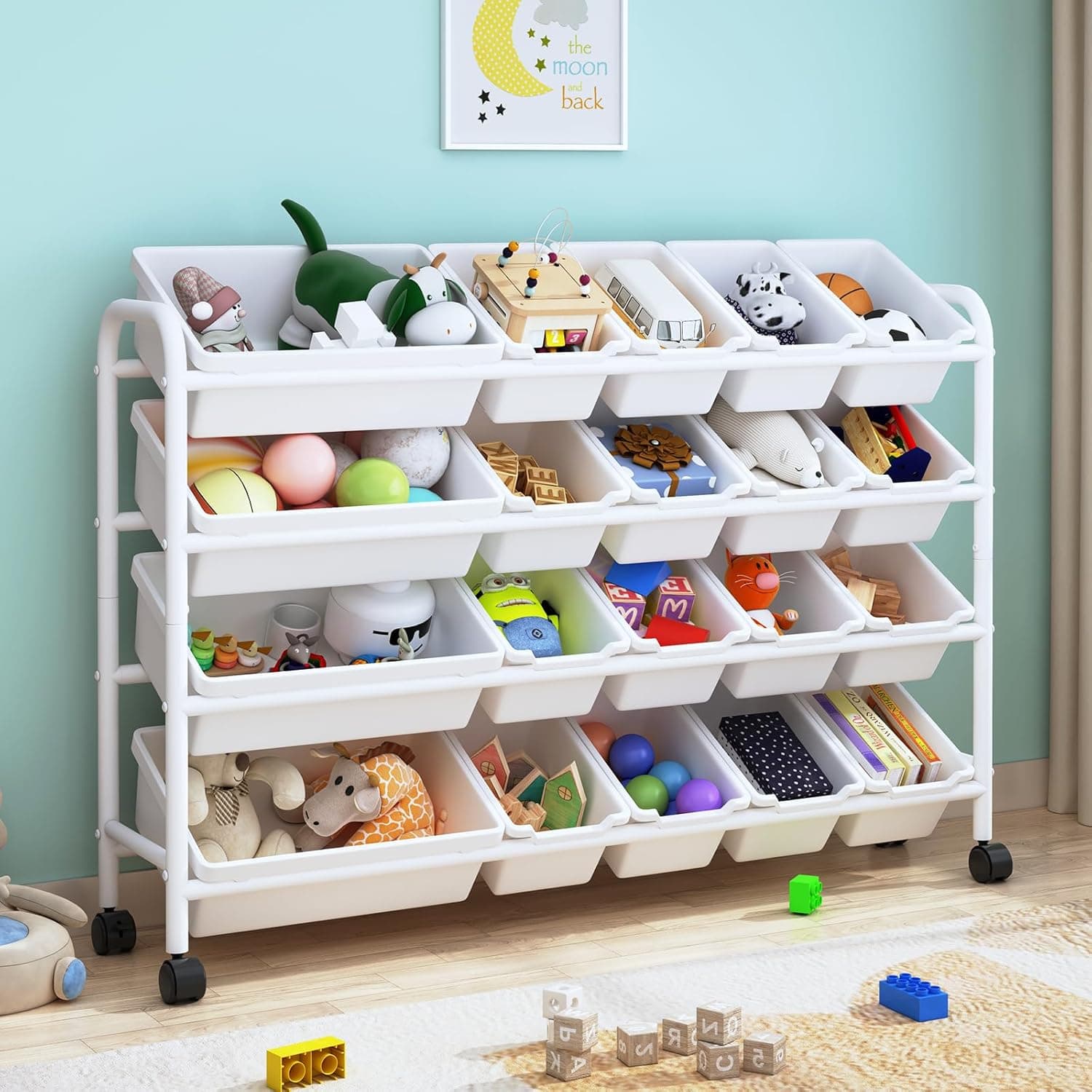
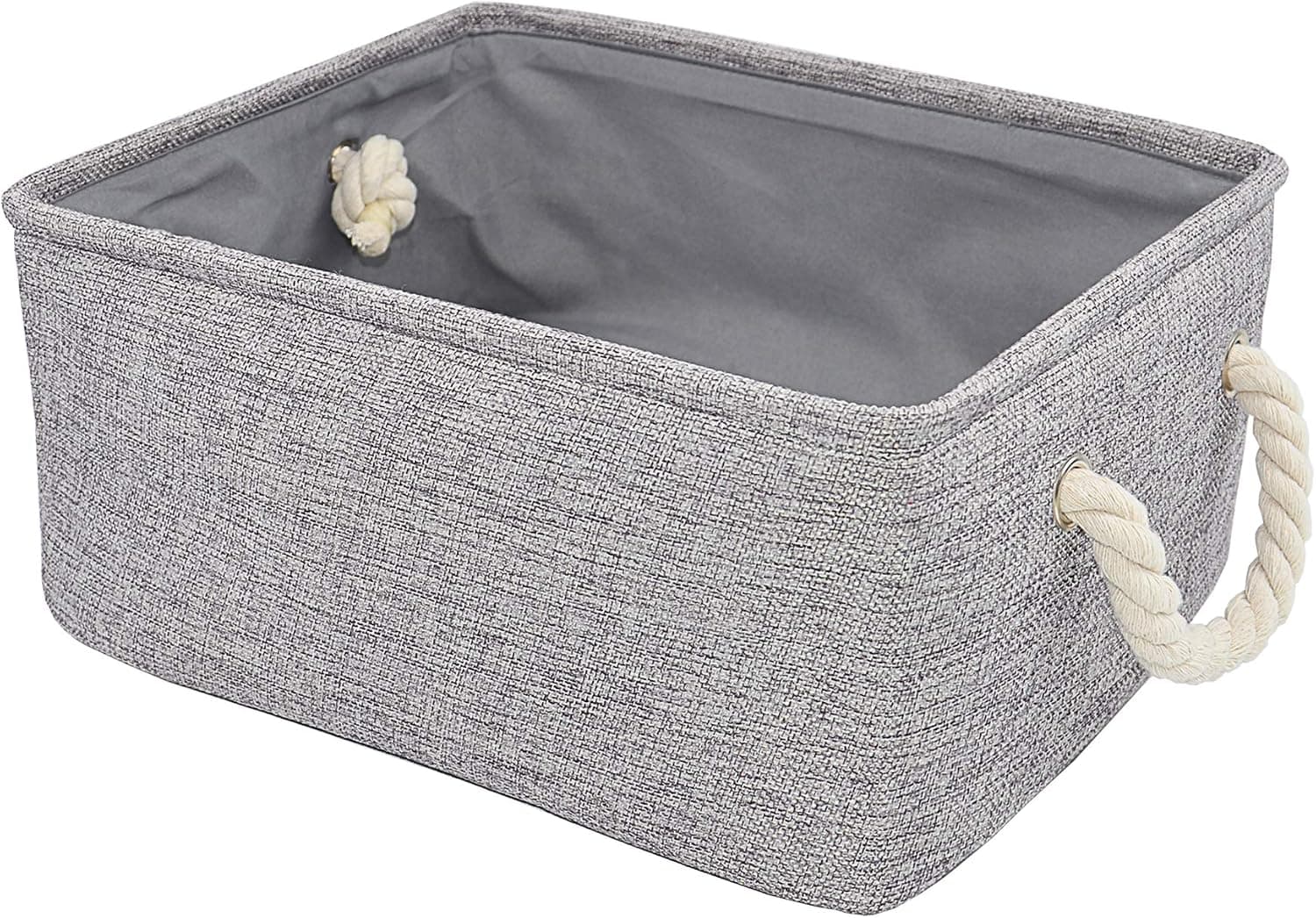
+ 12.2 x 8.3 x 5.1in size fits standard bookcase and closet shelves
From our guide: Best Nursery Shelf Organizers
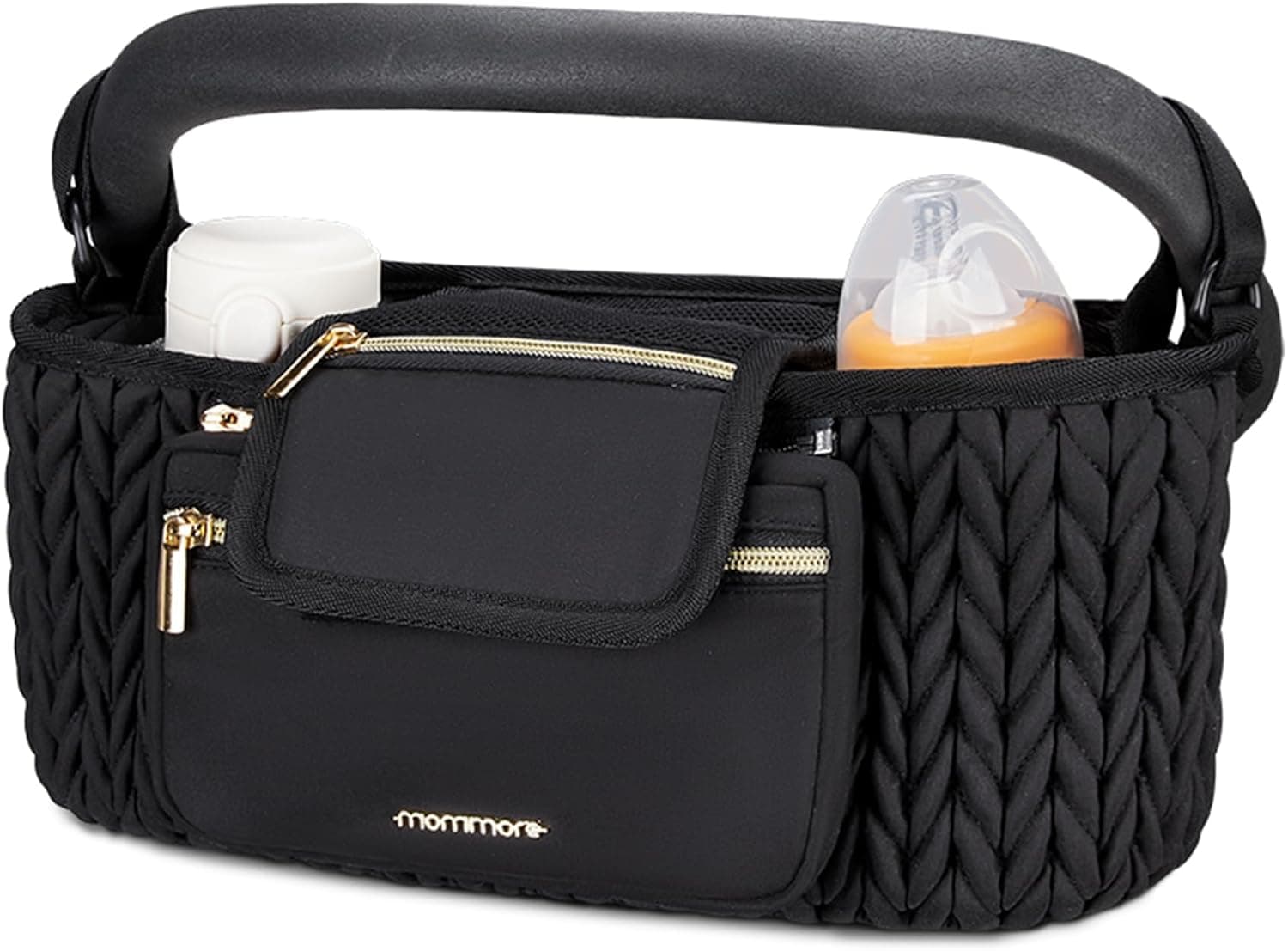
+ Detachable phone bag can be carried when you leave the stroller
From our guide: Best Stroller Organizers
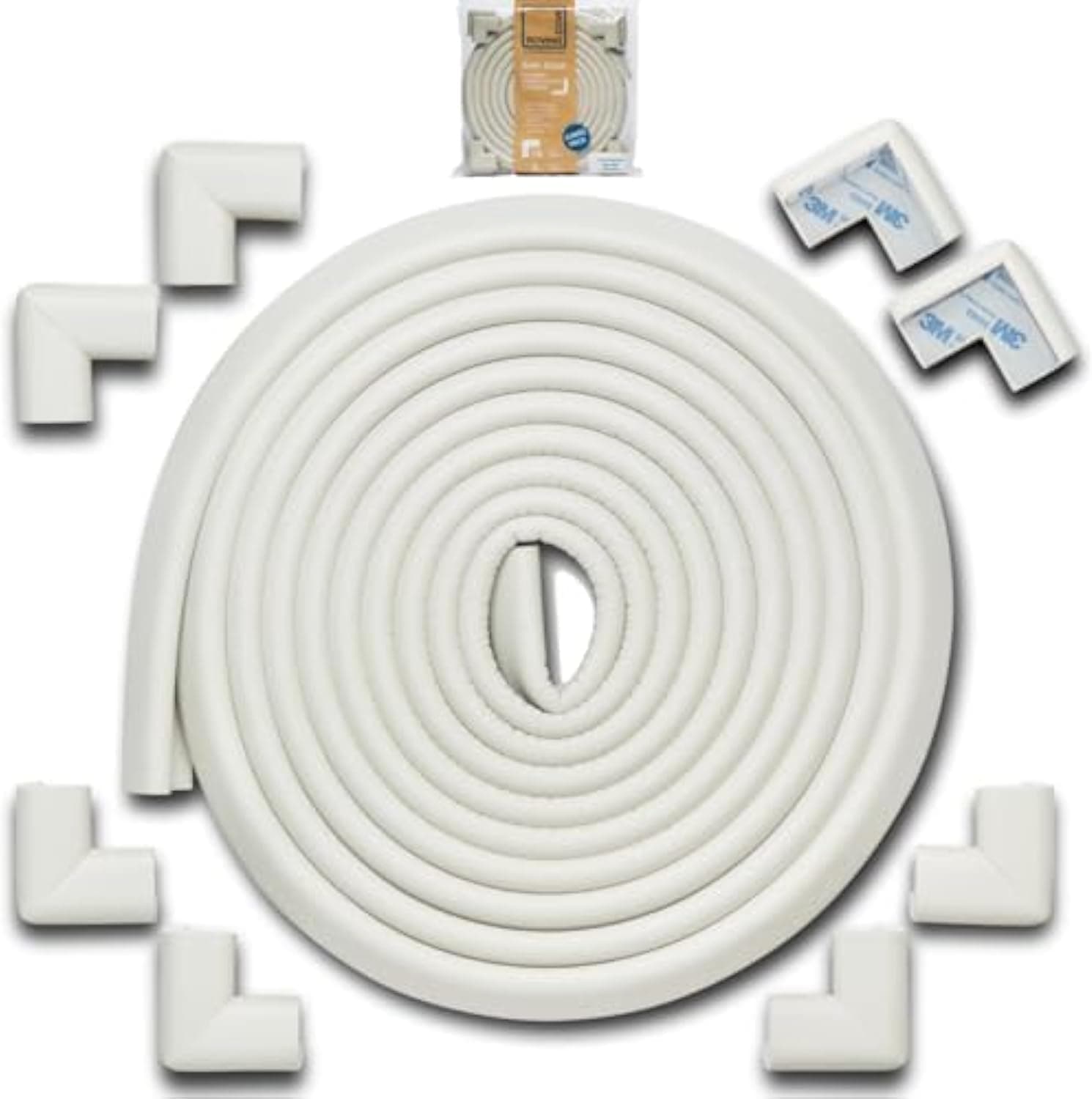
+ 18ft edge strip covers long table and hearth edges
From our guide: Best Baby Corner Guards
+ 4 pack outfits a closet shelf or cube unit in one purchase
From our guide: Best Nursery Shelf Organizers
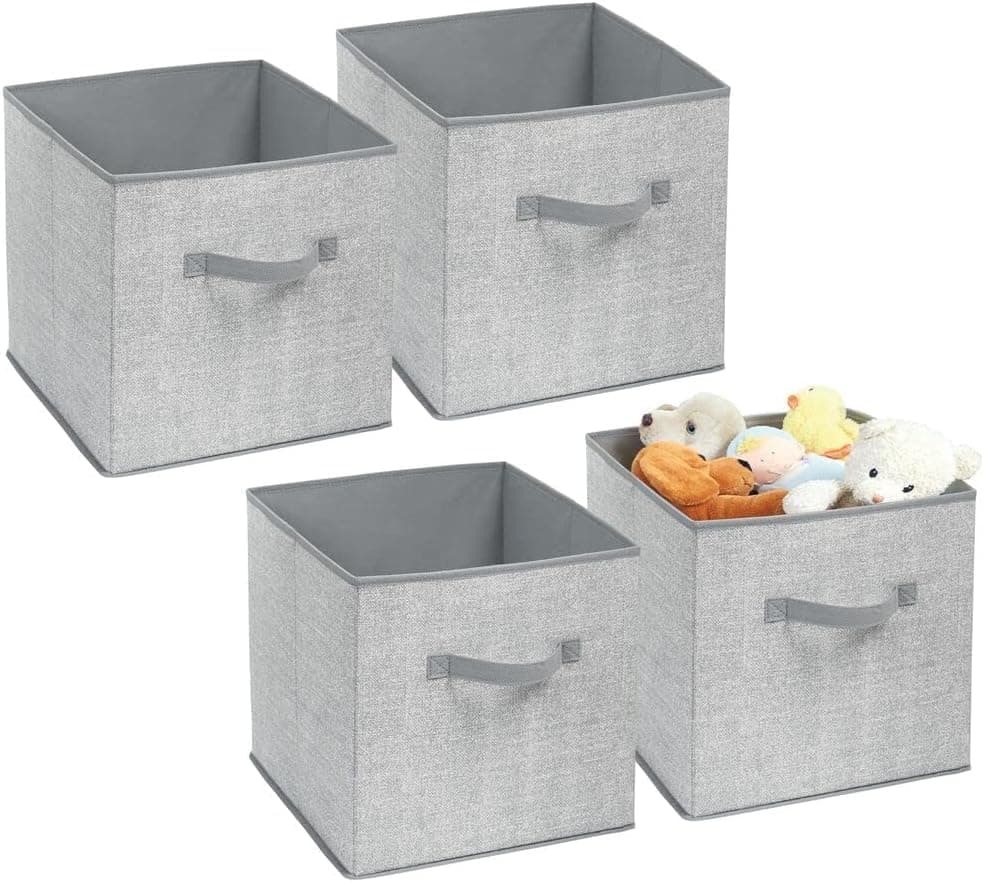

Begin by choosing the corner. You want a spot away from your bed if possible so that late-night feedings and diaper changes are less likely to wake a sleeping partner, but close enough that you can reach the baby quickly. A corner near a wall gives you two sides to build against, which makes the nook feel contained and purposeful rather than like furniture that wandered in and got stuck.
Define the zone visually so it reads as its own little space. A small rug under the crib, a different wall color behind it, or a row of shelves that frames the area all signal that this corner belongs to the baby. Even a slim bookcase placed perpendicular to the wall can act as a gentle divider, creating a sense of separation without blocking light or making the room feel chopped up.
A mini crib or bassinet is your best friend here. Both have a much smaller footprint than a full crib, and a bassinet can tuck almost anywhere for the first several months. If you choose a mini crib, look for one on locking wheels so you can roll it slightly away from your bed for naps and closer at night. Keep the sleep surface bare, firm, and free of pillows and bumpers no matter how tight the nook.
For changing and storage, a single dresser does most of the work. Add a changing pad to the top and you have a station that stores clothes below and handles diaper duty above, all in one footprint. Mount a small shelf or hang a fabric organizer beside it for wipes, creams, and a few spare outfits so you are not crossing the room mid-change. Everything the baby needs should be within one arm's reach of the changing surface.
Lighting matters more than people expect in a shared room. A warm, dimmable lamp or a small nightlight lets you tend to the baby at night without flooding the whole room with brightness and wrecking everyone's sleep. Blackout curtains help the baby nap during the day and help you all sleep past sunrise. Soft, controllable light is what keeps a shared room peaceful for both generations.
Remember that a nursery nook is meant to evolve. In the early months it is mostly a sleep and change station. As your baby grows, you can swap the bassinet for a mini crib, add a low basket of toys, or move the whole setup to another room if one opens up. Keep it flexible, keep the safe-sleep basics non-negotiable, and the nook will serve you well through every stage of that first year.
Popular right now
- Best Foldable Baby Bathtubs for Small BathroomsBuying guide
- Best Baby White Noise Machines for Better SleepBuying guide
- Best Baby Crib MobilesBuying guide
- Foldable Baby Gear Worth Buying for Tight SpacesArticle
- Best Slim Diaper PailsBuying guide
- Best Hanging Closet Dividers for the NurseryBuying guide
Based on the last 28 days of search and visitor data.