Safe Sleep in a Shared Room
Published How we research
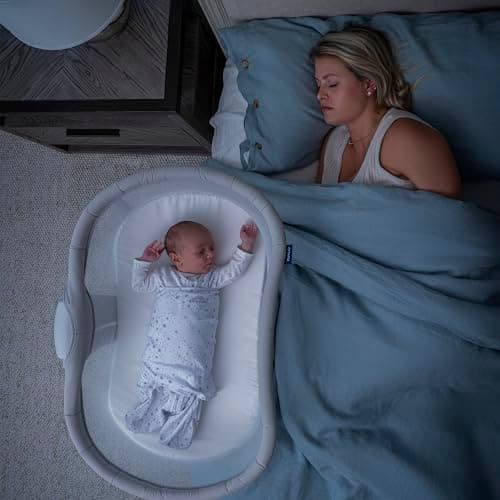
Sharing a room with your baby is not a compromise you make only because space is tight. Major pediatric guidance actually recommends room-sharing for at least the first six months, because keeping your baby's sleep space in your room is associated with a lower risk of sleep-related death. For small-space families this is welcome news: the arrangement your square footage pushes you toward is also the one experts endorse. The key is doing it safely, which means room-sharing, not bed-sharing.
Products from this article
The highest-scoring picks from the buying guides this article links to. Scores are our editorial assessment, not customer ratings.
+ Swivels over the bed and has a lowering wall, so feeds and pick-ups need less bending, which helps in a small bedroom.
From our guide: Best Bedside Bassinets for Small Bedrooms and Co-Sleeping
+ Push button fold makes packing up quick after naps
From our guide: Best Compact Playpens for Apartments and Small Spaces
+ Listed with a firm, flat sleep surface on a waterproof mattress, plus an included fitted sheet.
From our guide: Best Portable Travel Bassinets
+ Bedside, portable bassinet and changing table modes make one product do several jobs.
From our guide: Best Bedside Bassinets for Small Bedrooms and Co-Sleeping
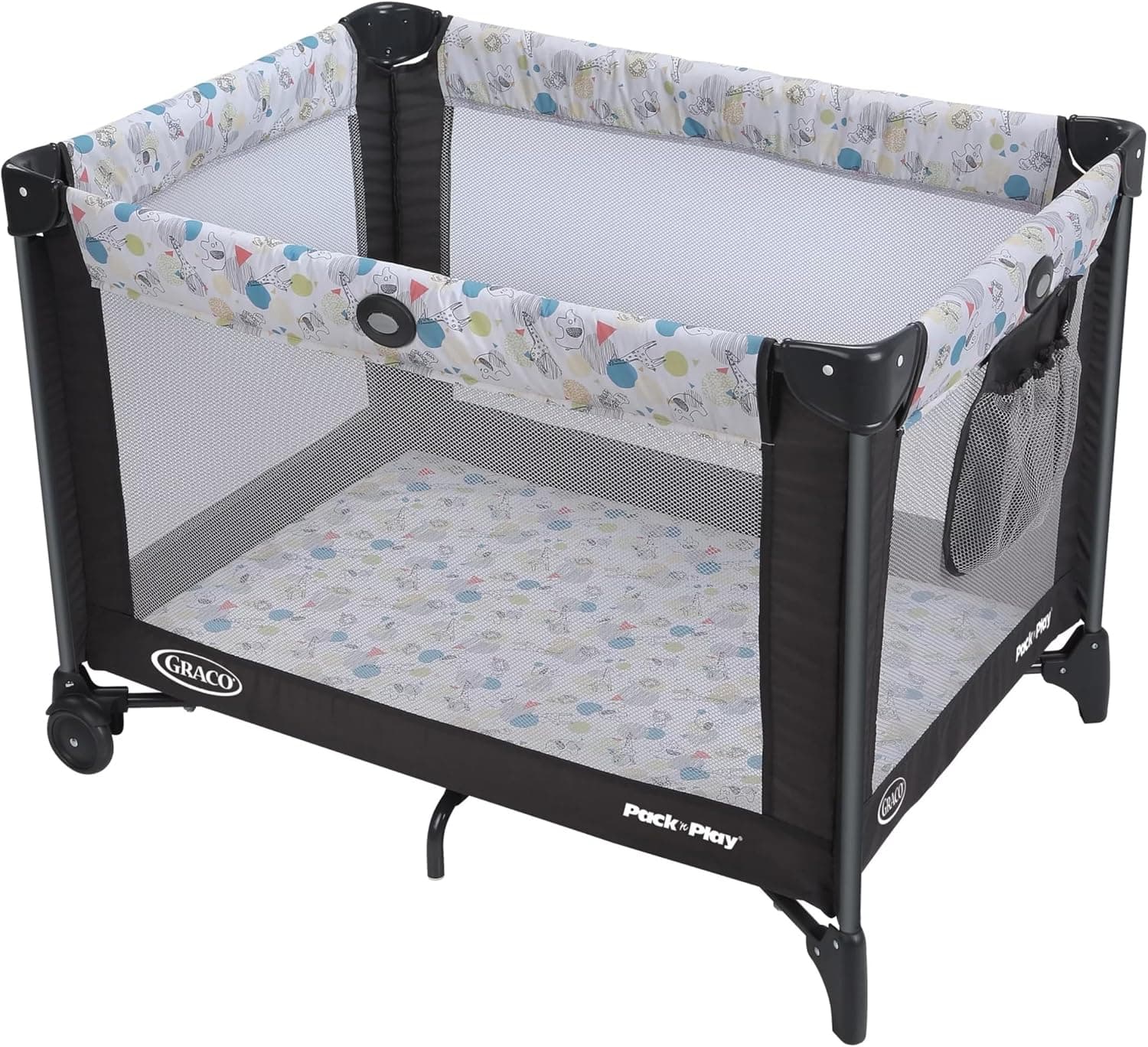
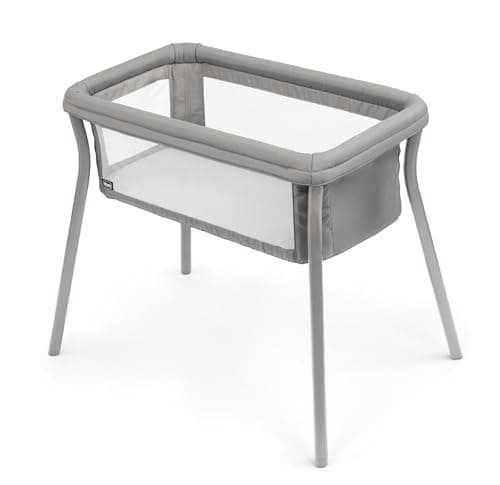
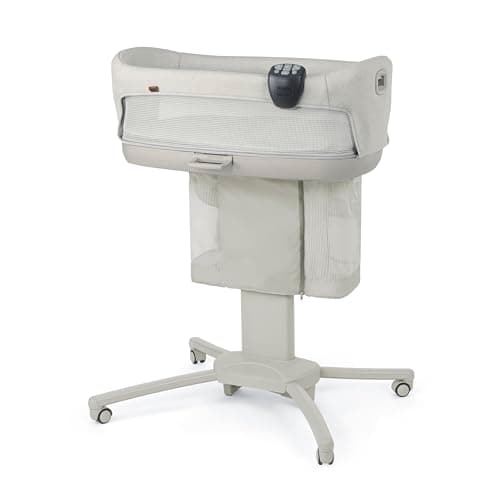

The single most important rule is that your baby needs their own separate sleep surface. Room-sharing means the baby sleeps in a crib, bassinet, or play yard in your room, close to your bed but not in it. Bed-sharing, where the baby sleeps in an adult bed with a parent, carries a significantly higher risk of suffocation and is not recommended, especially for young infants. Place a bassinet or mini crib within arm's reach so night feedings are easy, but always return the baby to their own flat, firm surface to sleep.
That sleep surface must follow every standard safe-sleep rule regardless of how small your room is. The baby sleeps on their back, on a firm, flat mattress, with a fitted sheet and nothing else. No pillows, no blankets, no bumpers, no stuffed animals, no positioners or wedges. A bare crib looks empty, and that emptiness is precisely the point, because every soft item you remove is a suffocation and rebreathing risk removed. In a shared room the temptation to tuck extra things into a small sleep space is real, but the rule does not bend.
Where you place the sleep space within the room matters. Keep the crib or bassinet away from windows, blind and curtain cords, wall hangings, and heat sources, all of which pose strangulation or overheating risks. Make sure nothing hangs over the sleep surface and nothing climbable sits beside it for when your baby gets older. In a small shared room furniture is close together, so double-check that a dresser or nightstand does not put cords, lamps, or small objects within the baby's reach.
Manage temperature and light for everyone's benefit. Keep the room at a comfortable temperature and dress the baby in a sleep sack or wearable blanket rather than loose bedding, which keeps them warm without any covering that could ride up over the face. A small, dim nightlight lets you feed and change the baby at night without turning on bright overhead lights that wake the whole room. Blackout curtains help align the baby's naps and everyone's morning sleep.
Keep the sleep zone free of the room's clutter. In a shared bedroom it is easy for the crib to become a shelf for laundry, toys, or your own belongings, but the sleep surface must stay clear at all times. Give the baby's gear its own storage elsewhere in the room so nothing migrates into the crib. A clear line between the sleep space and the rest of the room protects both safety and the baby's ability to settle.
Room-sharing is meant to be a phase, and you can adjust it as your baby grows and as your space allows. Many families room-share for six months to a year, then transition the baby to their own room or their own defined nook. Throughout, the fundamentals hold steady: a separate surface, a bare and firm mattress, back sleeping, and a safe placement away from hazards. Get those right and a shared room is not just a space-saving necessity but a genuinely safe and recommended way for your baby to sleep.
Popular right now
- Best Foldable Baby Bathtubs for Small BathroomsBuying guide
- Best Baby White Noise Machines for Better SleepBuying guide
- Best Baby Crib MobilesBuying guide
- Foldable Baby Gear Worth Buying for Tight SpacesArticle
- Best Slim Diaper PailsBuying guide
- Best Hanging Closet Dividers for the NurseryBuying guide
Based on the last 28 days of search and visitor data.