How to Set Up a Nursery in a Small Apartment
Published How we research
When you live in a small apartment, the idea of carving out a whole nursery can feel impossible. The good news is that babies need surprisingly little floor space. What they need is a safe place to sleep, a clean place to change, a spot for feeding, and a home for their clothes and supplies. If you can cover those four functions, you have a nursery, even if it lives in a corner or shares a room with you.
Products from this article
The highest-scoring picks from the buying guides this article links to. Scores are our editorial assessment, not customer ratings.
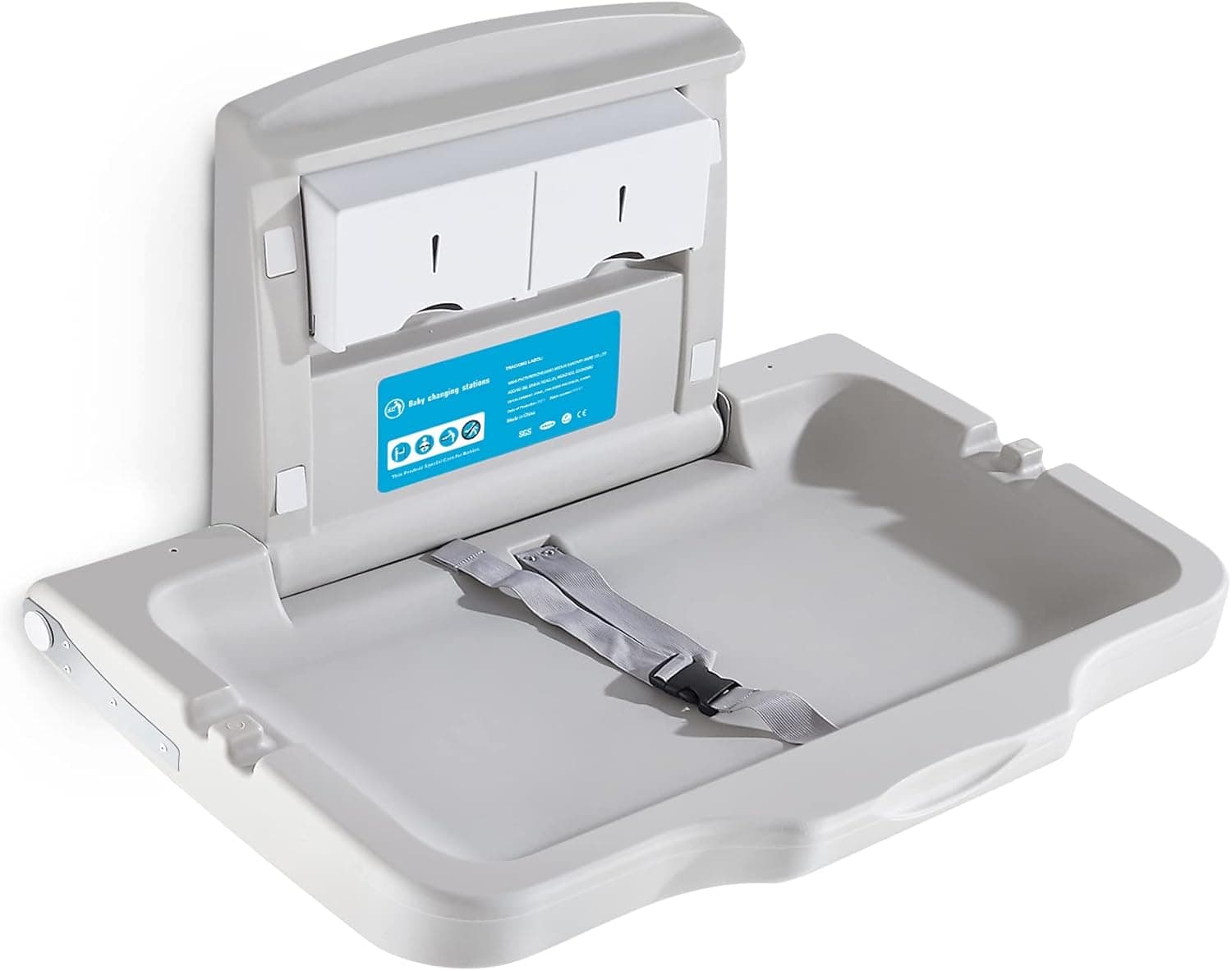
+ Opens with one hand, per the listing, so the other arm stays free for the baby and supplies.
From our guide: Best Wall-Mounted Changing Tables
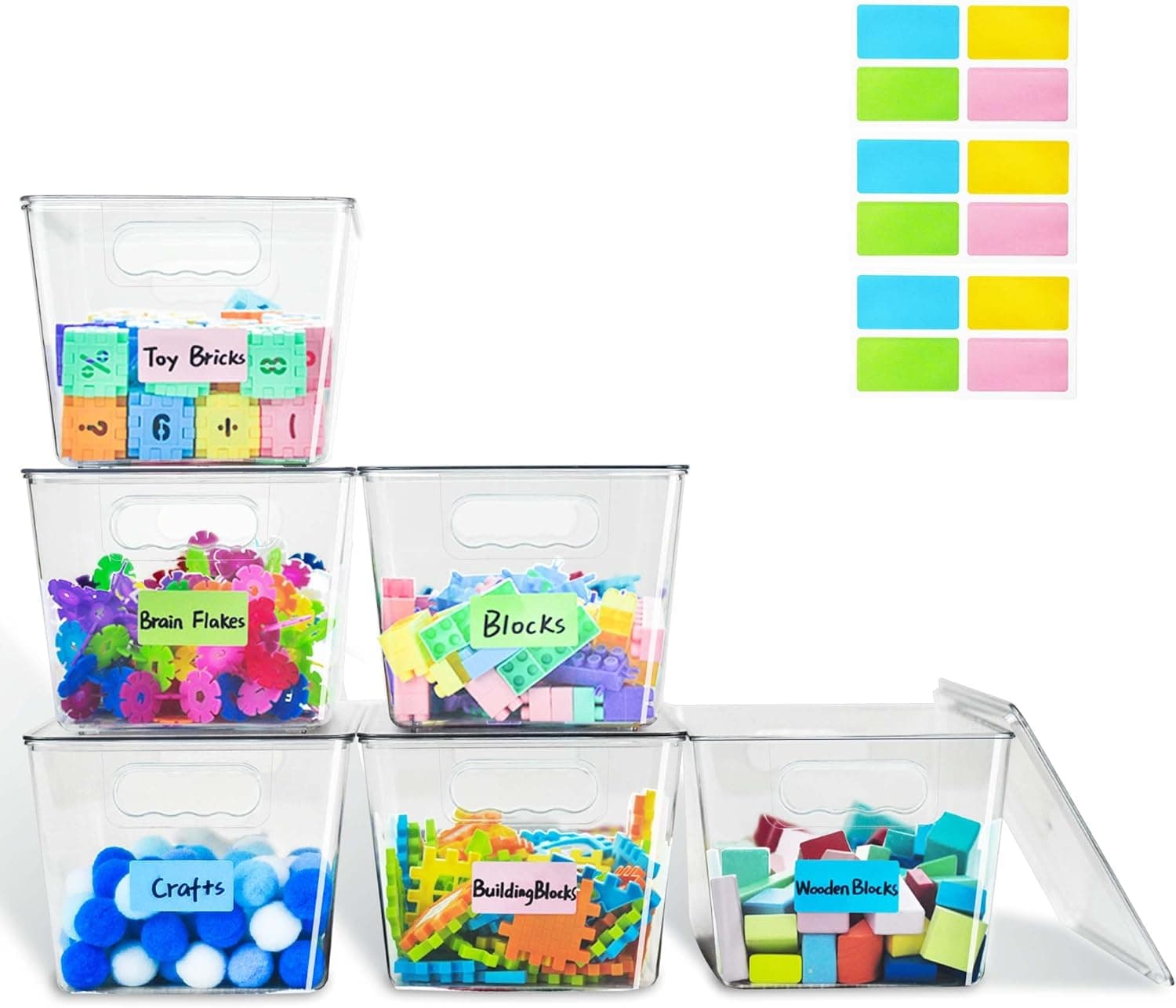
+ Clear plastic shows contents so kids find toys fast
From our guide: Best Stackable Toy Bins
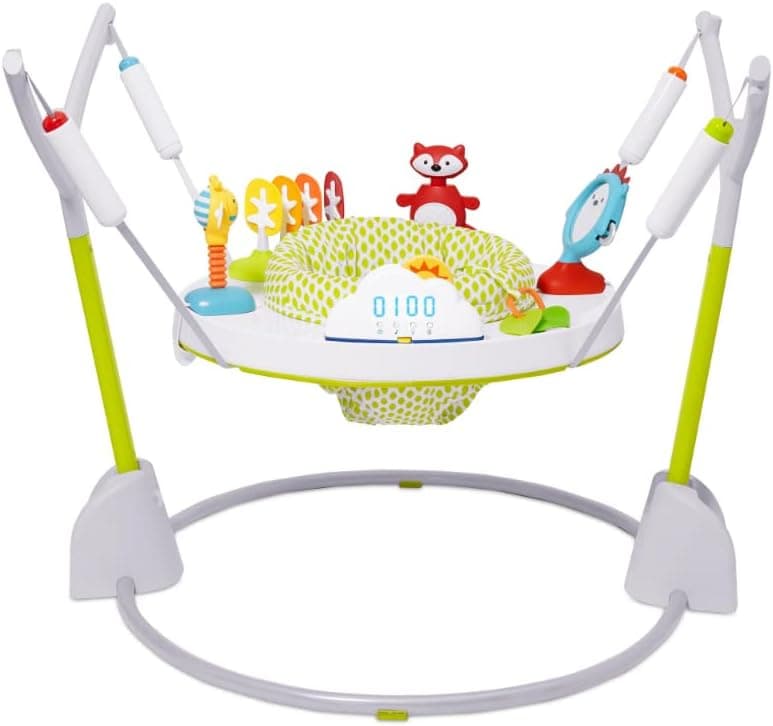
+ Foldable frame stores flat under a sofa or bed
From our guide: Best Compact Activity Centers for Small Apartments
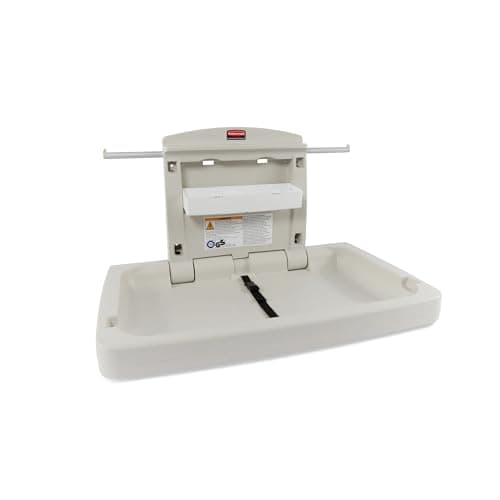
+ Fold-down design takes almost no floor space when closed
From our guide: Best Wall-Mounted Changing Tables
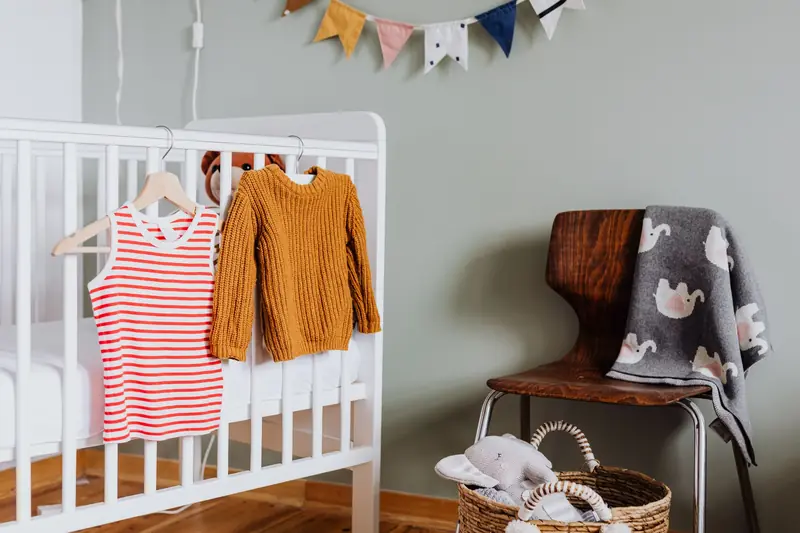
Start by mapping the space you actually have rather than the space you wish you had. Walk the room and note where the natural light falls, where outlets sit, and which walls have no doors or radiators blocking them. The clearest, calmest wall is usually where the crib should go, away from windows, cords, and heat sources. Once the crib has a home, the rest of the layout tends to fall into place around it.
Think vertically before you think horizontally. Floor space is scarce in an apartment, but wall space is often wide open. Floating shelves above the changing area, wall-mounted organizers for diapers and wipes, and a few sturdy hooks can hold a shocking amount of gear without eating into the room. A tall, narrow dresser stores more per square foot than a wide one, and it doubles neatly as a changing station when you add a clip-on changing pad to the top.
Choose furniture that earns its place by doing more than one job. A mini crib takes up less room than a standard model and many convert to a toddler bed later. A dresser-plus-changer combo removes the need for a separate changing table entirely. A comfortable chair that you already own can serve as your feeding seat instead of a bulky nursery glider. Every piece that pulls double duty is a piece you do not have to find room for.
Keep the color palette light and consistent to make the space feel larger than it is. Pale walls, a single soft accent color, and uncluttered surfaces trick the eye into reading the room as open and airy. Resist the urge to fill every shelf. In a small space, empty surface area is a feature, not a flaw, because it gives you room to actually use the nursery day to day.
Storage is where small nurseries are won or lost. Use the space under the crib for flat bins of clothes your baby has not grown into yet. Rotate seasonal items into a closet or under your own bed so the nursery only holds what is currently in use. Label bins clearly, because at three in the morning you will not want to guess which container holds the clean sleepers.
Finally, give yourself permission to keep it simple and to change it as you go. Newborns do not care about themes or matching furniture, and you will learn what you actually need only after a few weeks of real life with a baby. Set up the essentials, live with the layout for a while, and adjust. A small-apartment nursery that works for your routine beats a magazine-perfect one that fights you every day.
Popular right now
- Best Foldable Baby Bathtubs for Small BathroomsBuying guide
- Best Baby White Noise Machines for Better SleepBuying guide
- Best Baby Crib MobilesBuying guide
- Foldable Baby Gear Worth Buying for Tight SpacesArticle
- Best Slim Diaper PailsBuying guide
- Best Hanging Closet Dividers for the NurseryBuying guide
Based on the last 28 days of search and visitor data.