Storage Solutions for Tiny Nurseries
Published How we research
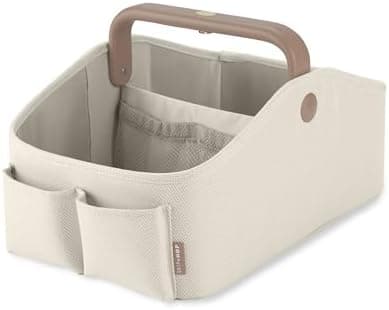
A tiny nursery lives or dies by its storage. Babies come with a startling volume of stuff for their size, and in a small room that gear has to go somewhere or it ends up covering every surface and the floor. The goal is not to own less, though that helps, but to give everything a defined home that uses space you would otherwise waste. Done well, storage is what lets a genuinely small room function like a much larger one.
Products from this article
The highest-scoring picks from the buying guides this article links to. Scores are our editorial assessment, not customer ratings.
+ Folding changing mat turns any couch or bed into a changing spot
From our guide: Best Nursery Storage Organizers for Small Rooms
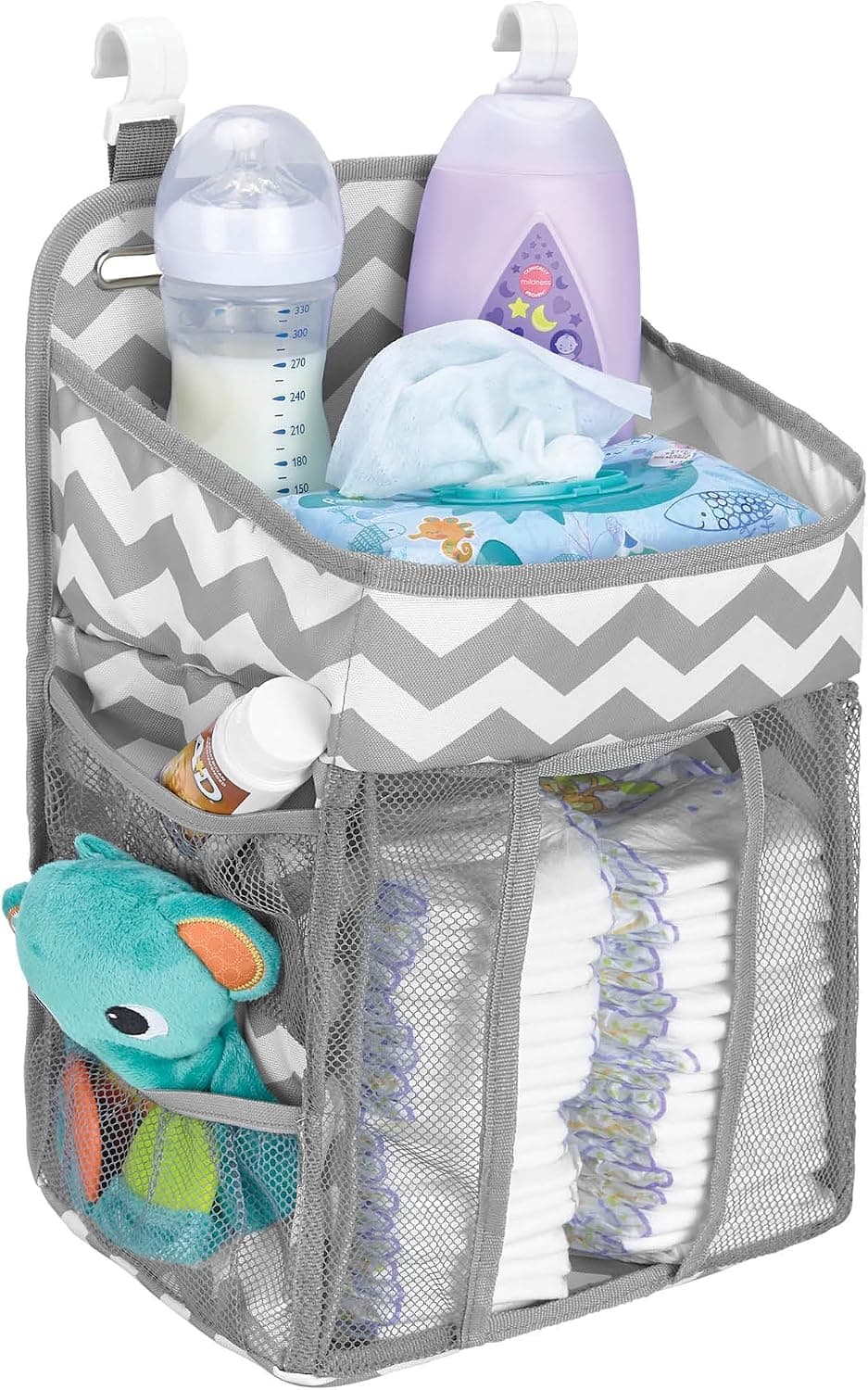
+ 2 compartments separate diapers from wipes for fast grabs
From our guide: Best Hanging Nursery Organizers for Small Spaces
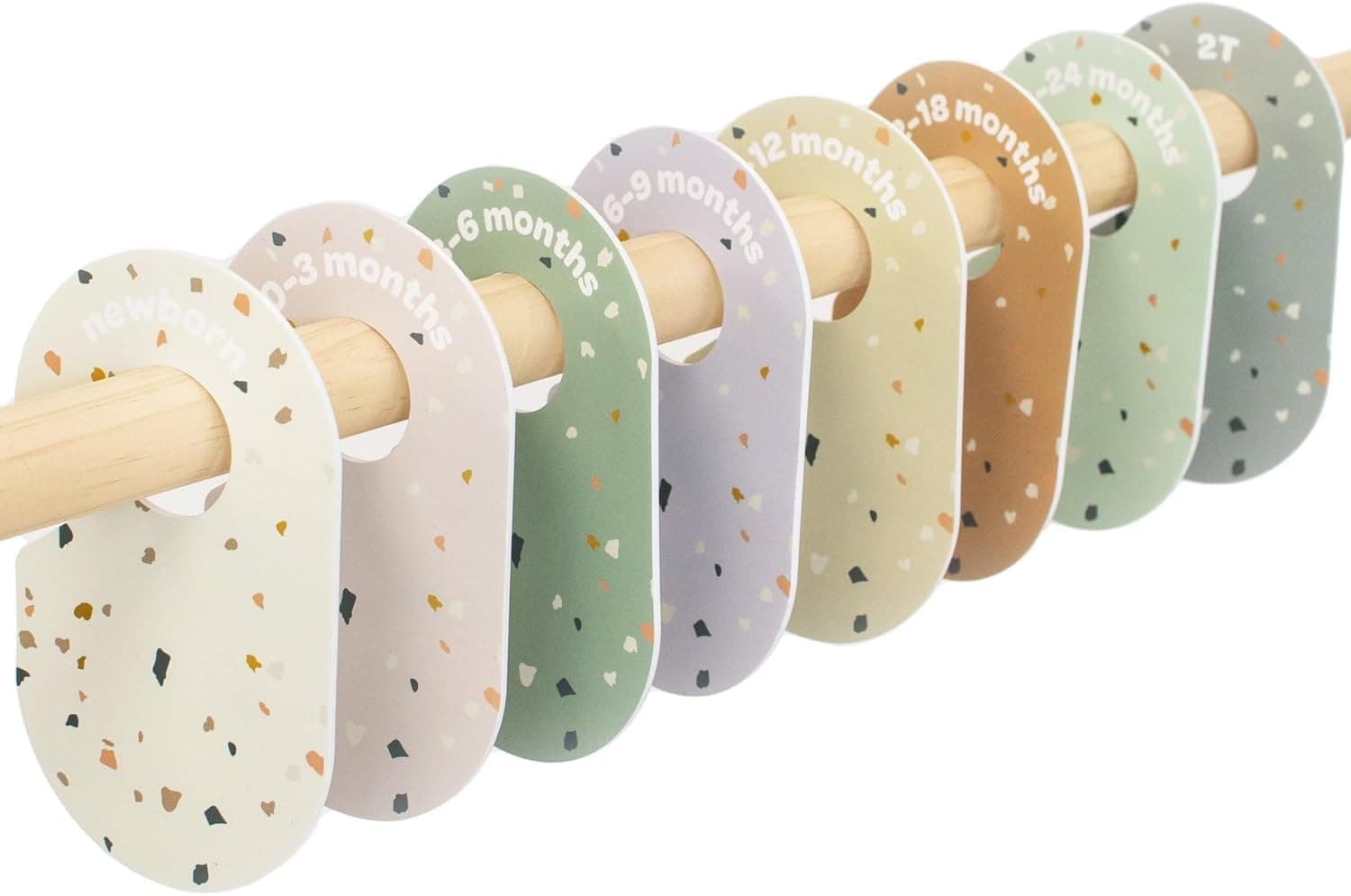
+ 8-piece set covers every size step from newborn to 2T
From our guide: Best Hanging Closet Dividers for the Nursery
+ Touch sensor night light helps with dark diaper changes at night
From our guide: Best Nursery Storage Organizers for Small Rooms
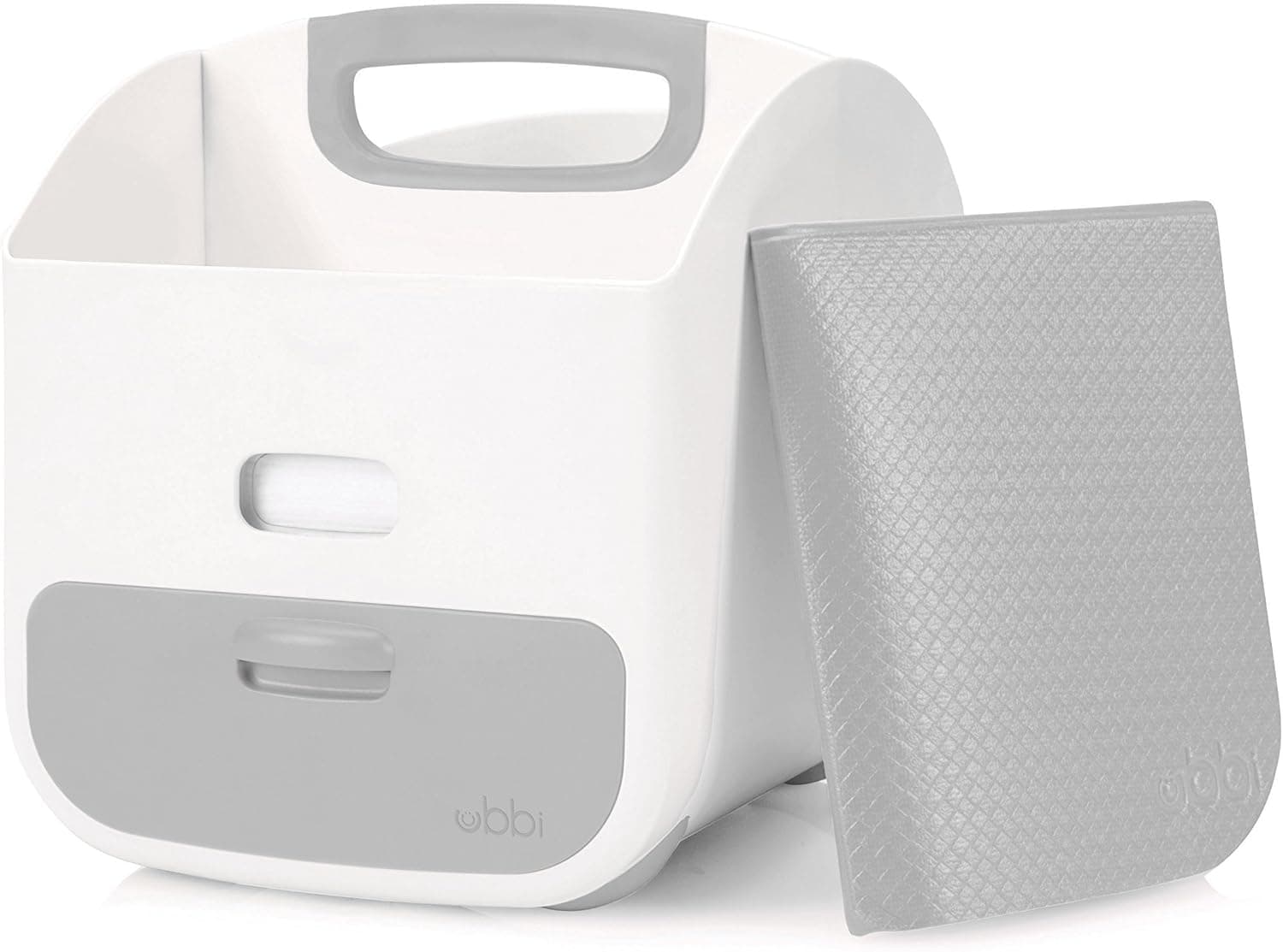

Look up first, because vertical space is the most underused resource in any tiny nursery. Walls that stand empty above the changing table, over the crib, and around the door can all carry shelves, and floating shelves put diapers, books, baskets, and supplies within reach without consuming a single square inch of floor. Tall, narrow furniture beats short, wide furniture every time in a small room, since it stores the same amount while occupying less floor.
Claim the space under the crib, which is often the single largest untapped storage area in the room. Flat, lidded bins or rolling under-crib drawers slide neatly into that gap and are perfect for clothes in sizes your baby has not reached, spare bedding, or seasonal gear. Because the crib skirt hides them, this storage stays completely out of sight, keeping the room visually calm while holding a large volume of things you do not need daily.
Make your furniture work double shifts. A dresser topped with a changing pad replaces a separate changing table and stores a full wardrobe below. An ottoman or storage bench gives you a seat and a hidden bin for blankets or toys in one footprint. A bookshelf can hold both books and baskets of supplies. In a tiny nursery, any single-purpose item is a luxury you probably cannot afford, so favor pieces that store as well as serve.
Contain the small stuff with baskets, bins, and drawer dividers, because loose items are what make a small room feel chaotic. Group like with like, socks with socks, creams with creams, and give each group a labeled container so everything has an address. Clear bins or open baskets let you see contents at a glance, which matters at night, while drawer dividers stop tiny clothes from collapsing into an unsortable pile. Labels turn a jumble into a system anyone can maintain.
Use doors and walls for the overflow that has nowhere else to go. An over-the-door organizer with clear pockets swallows pacifiers, grooming tools, socks, and mittens on space that is otherwise dead. Wall hooks hold the diaper bag, carriers, towels, and hats. A pegboard can turn a bare wall into a flexible, reconfigurable storage grid. Every item you hang is an item off your limited shelf and floor space.
Underpinning all of it is a rotation habit, because no storage system survives holding everything at once. Keep only the current and next size of clothes and the current season's gear within easy reach, and move the rest to deep storage in labeled bins, whether that is the closet's top shelf, under the crib, or another room. A tiny nursery works best as a lean, current-use space, with the overflow tucked out of sight until its moment comes. Storage plus rotation is the combination that keeps a small room genuinely livable.
Popular right now
- Best Foldable Baby Bathtubs for Small BathroomsBuying guide
- Best Baby White Noise Machines for Better SleepBuying guide
- Best Baby Crib MobilesBuying guide
- Foldable Baby Gear Worth Buying for Tight SpacesArticle
- Best Slim Diaper PailsBuying guide
- Best Hanging Closet Dividers for the NurseryBuying guide
Based on the last 28 days of search and visitor data.