How to Build a Minimalist Baby Registry
Published How we research
The standard baby registry checklist is designed to sell products, not to reflect what a baby actually needs. New parents are told to acquire dozens of specialized items, most of which are used briefly or never at all. If you live in a small home, an over-stuffed registry is not just wasteful, it is a storage problem waiting to happen. A minimalist registry focuses on the genuine essentials and leaves the rest for later, when you know what your particular baby and life require.
Products from this article
The highest-scoring picks from the buying guides this article links to. Scores are our editorial assessment, not customer ratings.
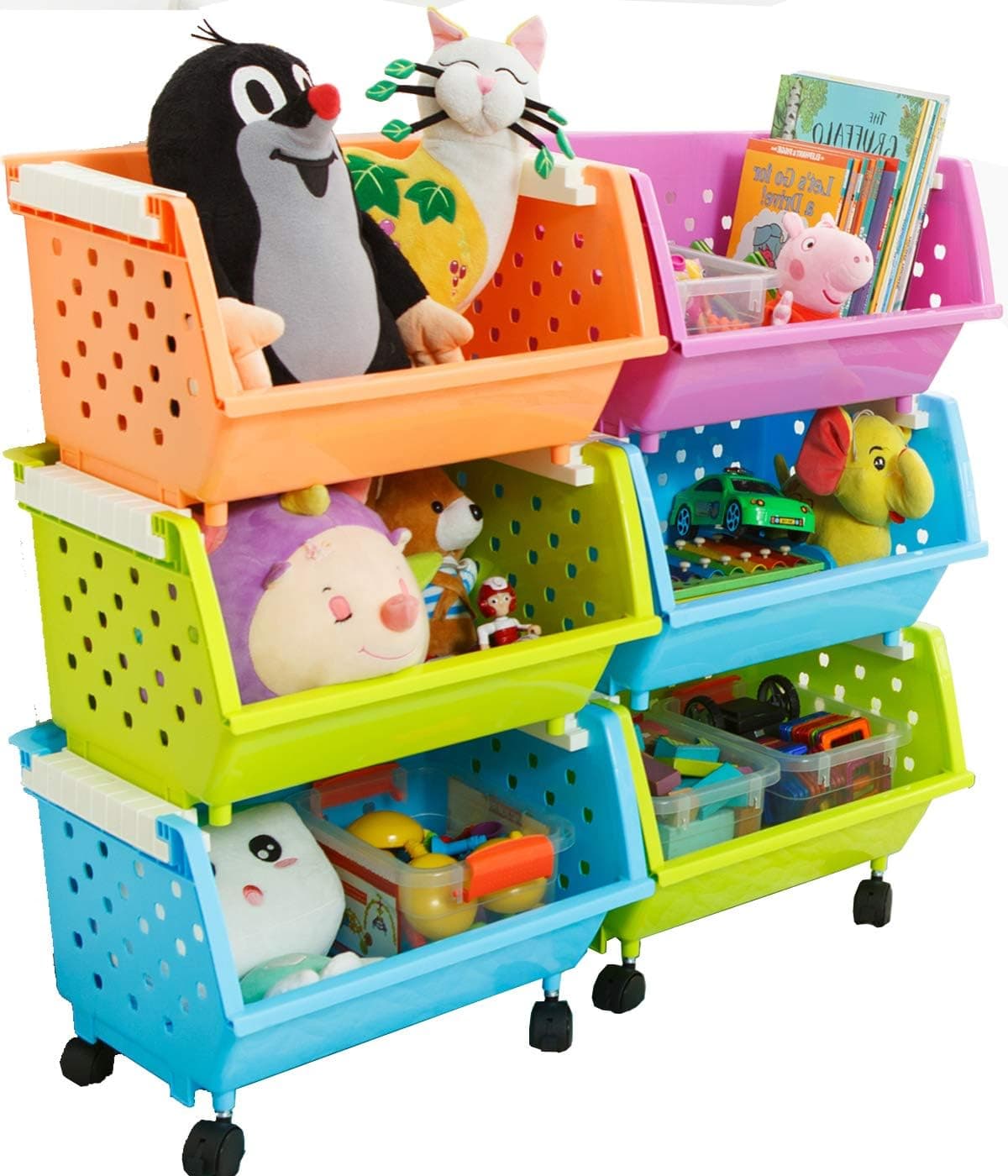
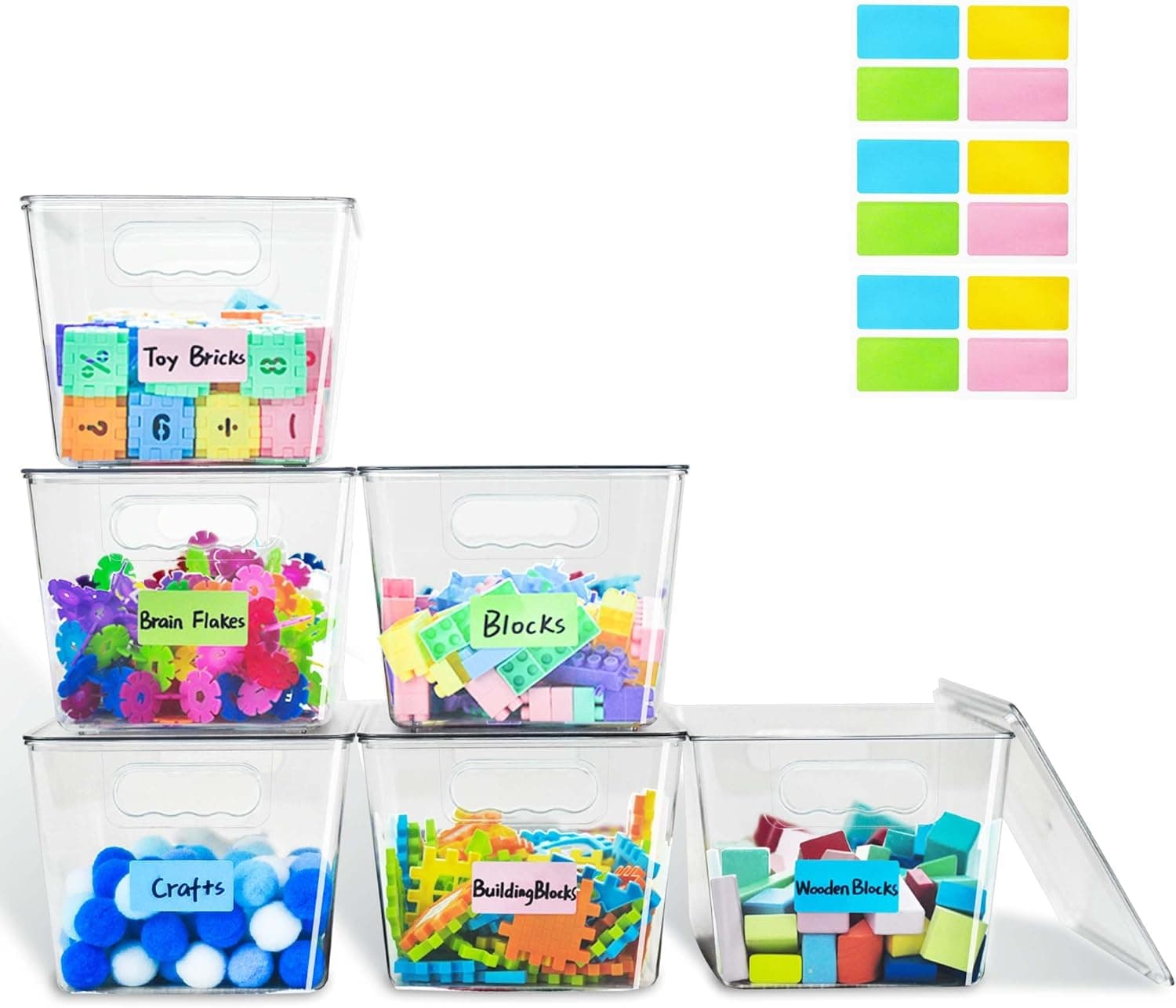
+ Clear plastic shows contents so kids find toys fast
From our guide: Best Stackable Toy Bins
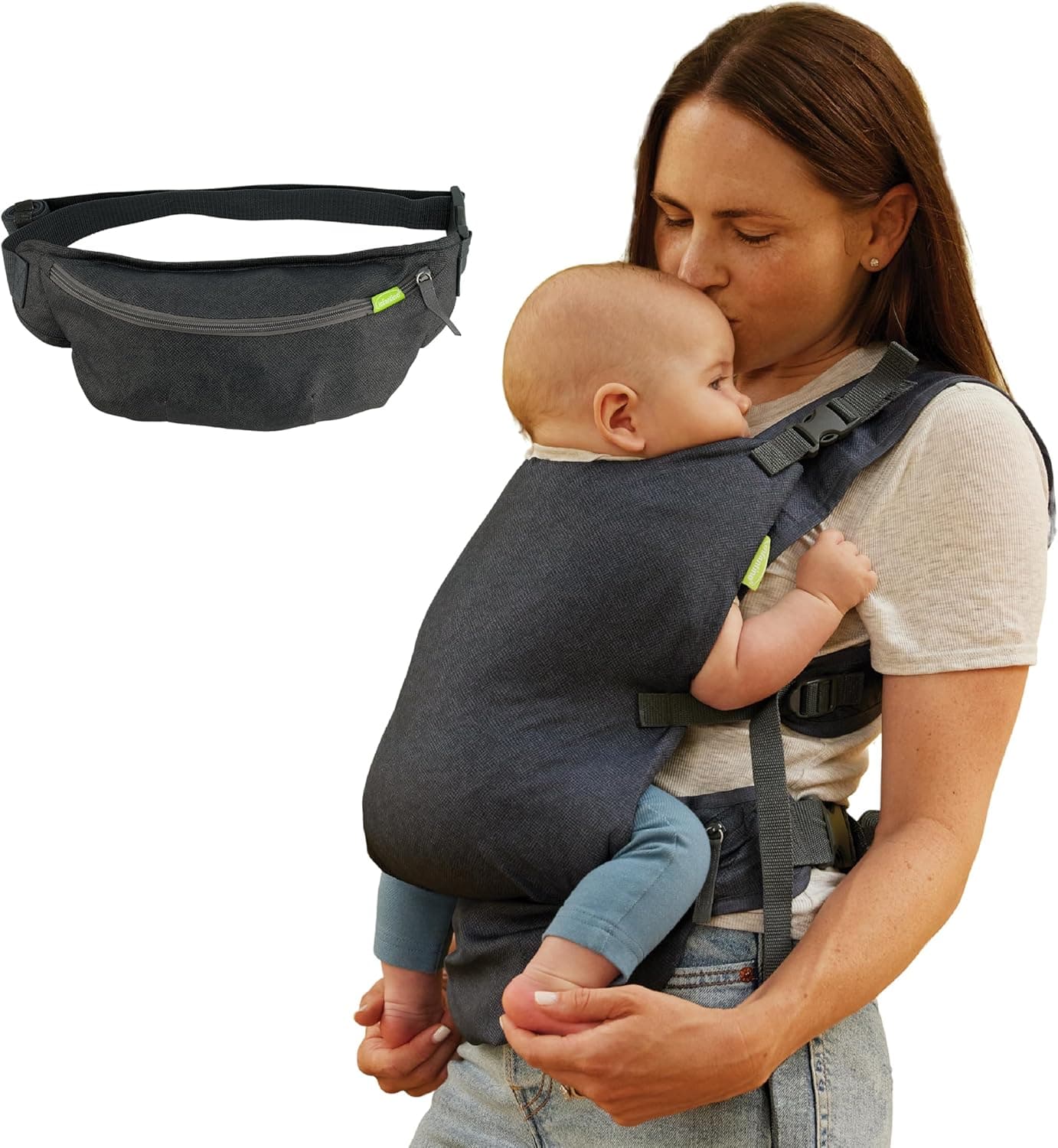
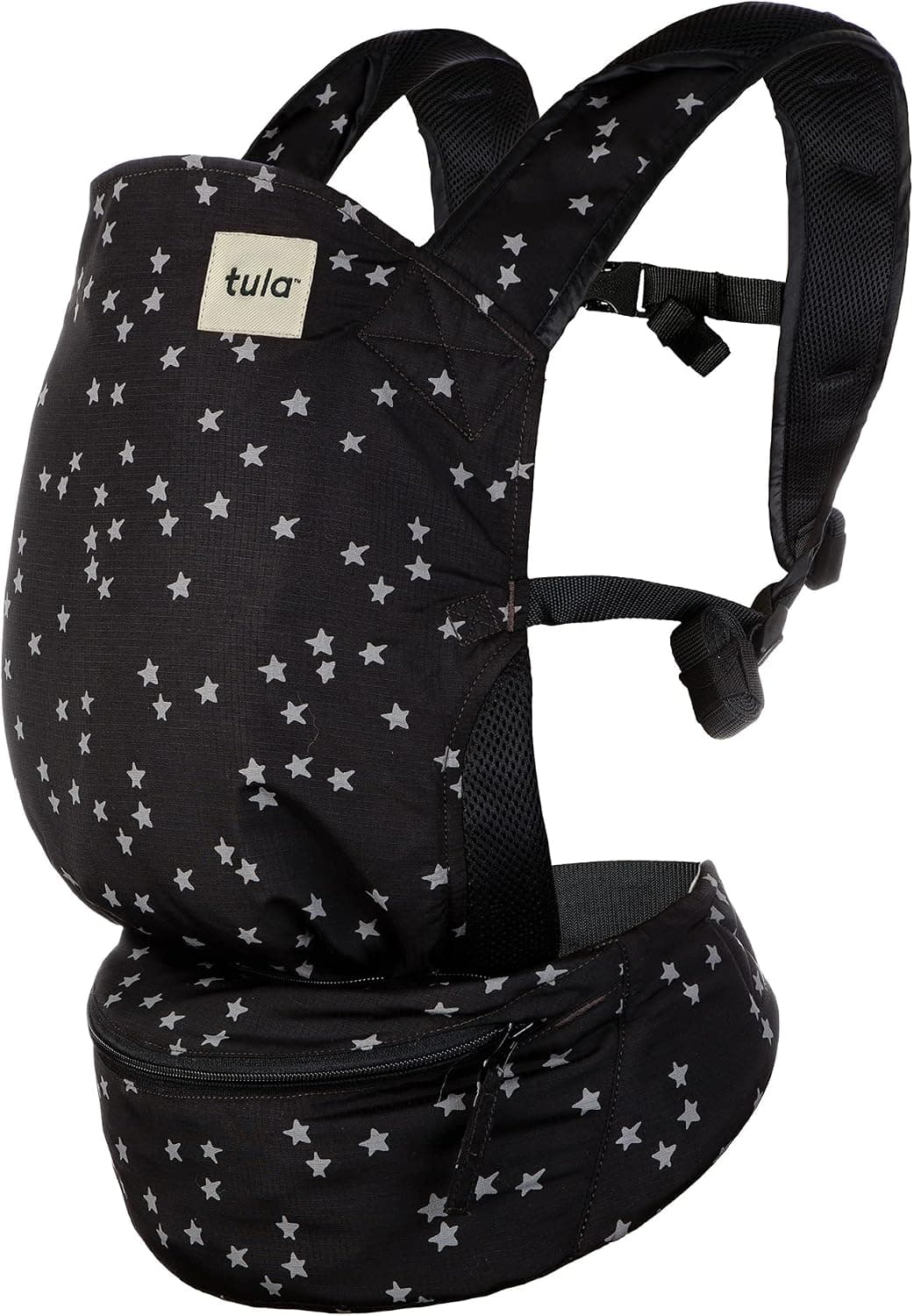
+ 2-in-1 design offers two carry positions
From our guide: Best Compact, Space-Saving Baby Carriers
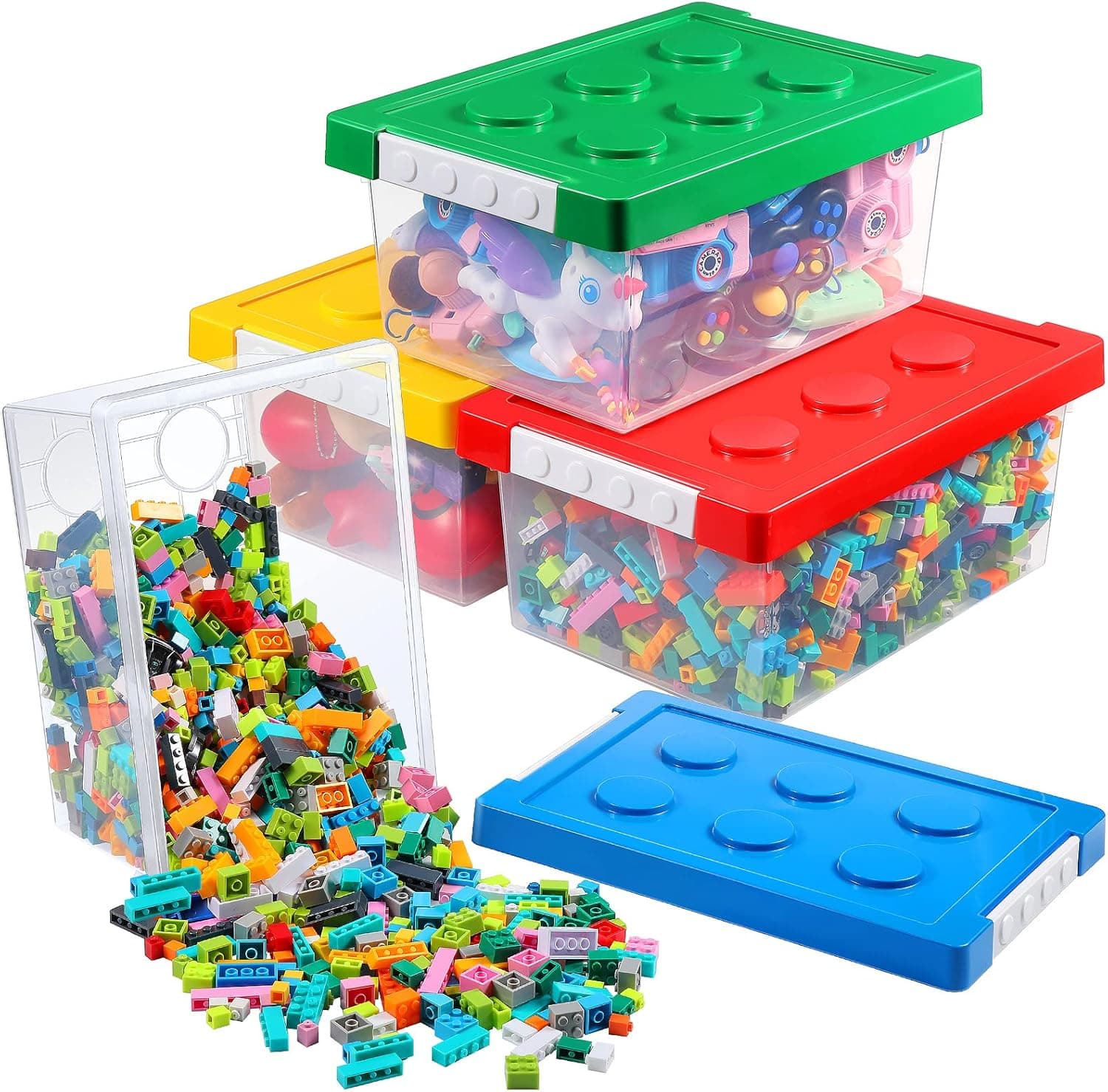
+ Brick shape looks fun and matches building block toys
From our guide: Best Stackable Toy Bins
+ Storage hip pouch holds the carrier when folded
From our guide: Best Compact, Space-Saving Baby Carriers
Start from the four core needs every baby has: a safe place to sleep, a way to eat, clean diapering, and a few clothes and a means to get around. Almost everything truly essential falls under those categories. A firm crib or bassinet with fitted sheets, feeding supplies suited to how you plan to feed, diapers and wipes and a changing pad, a modest wardrobe of simple outfits, and a car seat if you drive. Build your registry around these first and you will have covered what a newborn genuinely uses.
Favor multi-use items over single-purpose gadgets, because in a small home every item you own has to earn its footprint. A dresser with a changing pad on top beats a standalone changing table. A carrier can stand in for a stroller in tight spaces. A convertible crib grows with your child instead of being replaced. When you catch yourself adding a product that does exactly one narrow job, ask whether something you already have or a more versatile item could cover it instead.
Be deliberately cautious about the big, bulky, single-stage items that dominate small homes. Swings, bouncers, activity centers, changing tables, wipe warmers, and specialized bath thrones all take up significant space and are used for only a short window, if at all. If you want one soothing device, choose a single compact one rather than three large ones. Every large item you skip is floor space you keep and clutter you never have to store or eventually clear out.
Register for consumables and experiences, not just objects. Diapers in a range of sizes, wipes, and postpartum supplies for you are things you will genuinely burn through, and they take up far less permanent space than another piece of gear. Gift cards let you buy exactly what you discover you need after the baby arrives, rather than guessing in advance. Many minimalist families find that flexible, consumable gifts are the most useful things on their whole list.
Embrace secondhand and borrowed items for anything used briefly. Clothes, many toys, and short-use gear like newborn loungers are often available gently used for a fraction of the price, and returning or passing them on keeps them from becoming permanent clutter. The main exception is anything safety-critical, especially car seats and mattresses, which you should buy new so you know their history and that they meet current standards. For everything else, borrowing keeps both your budget and your square footage intact.
The deeper mindset of a minimalist registry is to buy for the baby you have, in the stages as they come, rather than stockpiling for every possibility at once. You can always order an item in two days when you discover you need it. What you cannot easily undo is filling a small home with gear before your baby arrives, then living around the clutter for a year. Start lean, add only what proves necessary, and your small space and your budget will both thank you.
Popular right now
- Best Foldable Baby Bathtubs for Small BathroomsBuying guide
- Best Baby White Noise Machines for Better SleepBuying guide
- Best Baby Crib MobilesBuying guide
- Foldable Baby Gear Worth Buying for Tight SpacesArticle
- Best Slim Diaper PailsBuying guide
- Best Hanging Closet Dividers for the NurseryBuying guide
Based on the last 28 days of search and visitor data.